8 Hiking Planning Habits That Help Outdoor Travelers Avoid Common Trail Problems
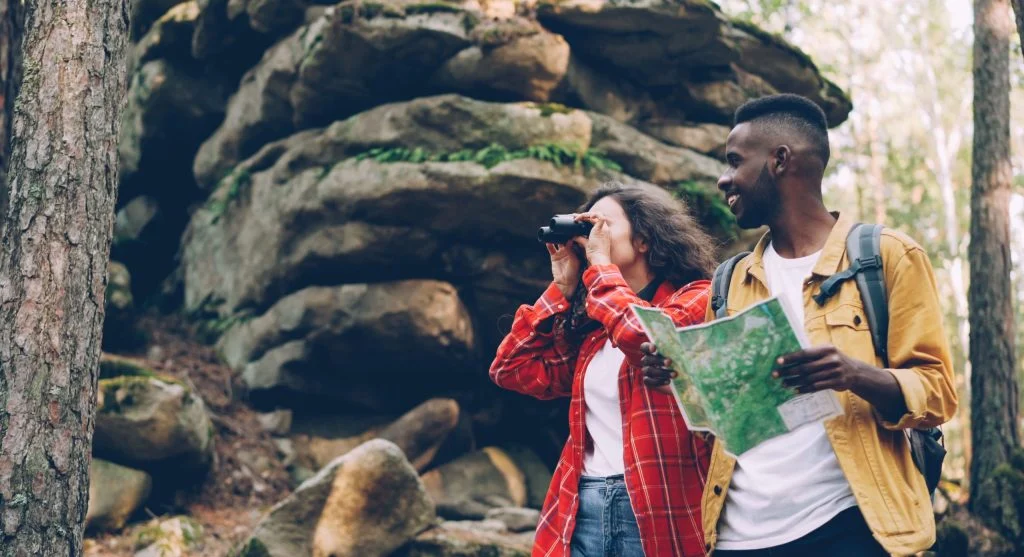
 Credit: Vitaly Gariev / Pexels
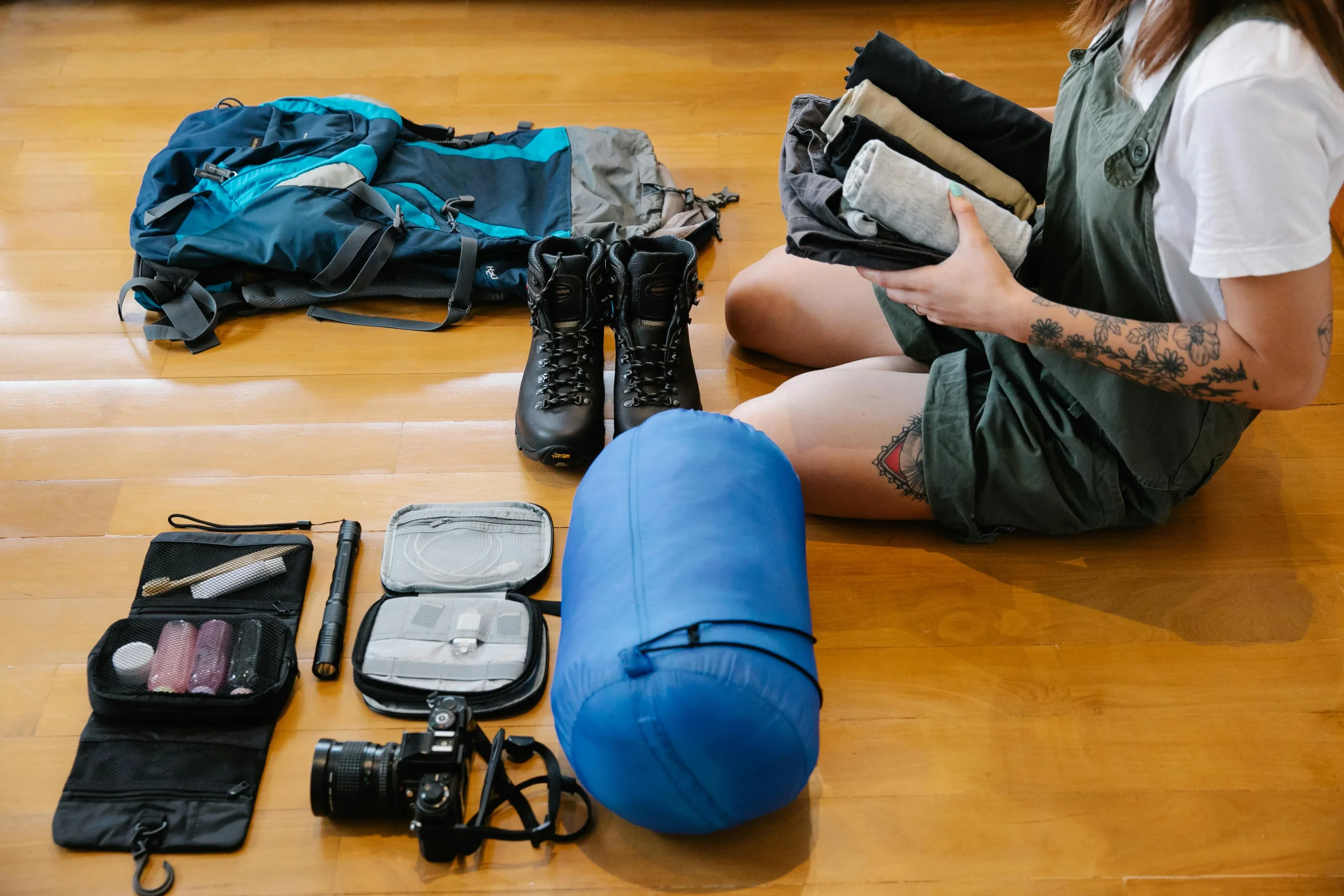
3. Pack the Ten Essentials, even for a shorter trail
Some hikers still assume essentials are only for long or remote outings. In practice, short hikes can still involve sudden weather changes, wrong turns, minor injuries, or unexpected delays.
The National Park Service says the Ten Essentials are a collection of first-aid and emergency items that can help with minor injuries, sudden weather changes, or unexpected delays, and it specifically says hikers should carry them even on short sightseeing hikes. Leave No Trace also recommends packing the Ten Essentials for comfort, safety, and responsible outdoor travel.
That makes essential gear less about fear and more about calm preparation. Water, navigation tools, sun protection, food, first-aid supplies, and other basics often turn small problems into manageable ones.
4. Choose shoes and clothing for the trail, not just the photo
Trail comfort depends heavily on what hikers wear. A route becomes much harder when feet hurt early, layers do not match the weather, or the hiker has little protection from sun and temperature changes.
NPS hiking guidance says proper shoes matter and notes that sturdy footwear is more suitable for dirt and gravel trails than open footwear or casual choices. NPS Ten Essentials guidance also includes insulation and sun protection among the core items hikers should carry.
Outdoor travel usually feels easier when clothing supports changing conditions instead of assuming one temperature or one terrain type all day.
5. Stay on the intended trail and protect the area too
Safe hiking and responsible hiking often support each other. Leaving the marked route may increase the chance of getting lost, damaging vegetation, or stepping into terrain that is harder to read than expected.
Leave No Trace says travelers should use durable surfaces and plan ahead to reduce problems like trail widening or shortcuts caused by poor preparation. Its Seven Principles also emphasize traveling on durable surfaces and being considerate of others.
This makes trail discipline more than a rule. It is a practical habit that helps both the hiker and the landscape.
6. Tell someone the route before leaving
One of the simplest planning habits is also one of the most valuable. If someone knows the trail, the start time, and the expected return window, it becomes easier to respond if the hiker is delayed or needs help.
National Park Service safety guidance often repeats the importance of planning ahead and preparing for a route before heading out. A shared plan is part of that larger preparation mindset, especially when a trail is quiet, long, or less familiar.
A short message with route details and expected return time usually takes only a moment, but it can make a major difference later.
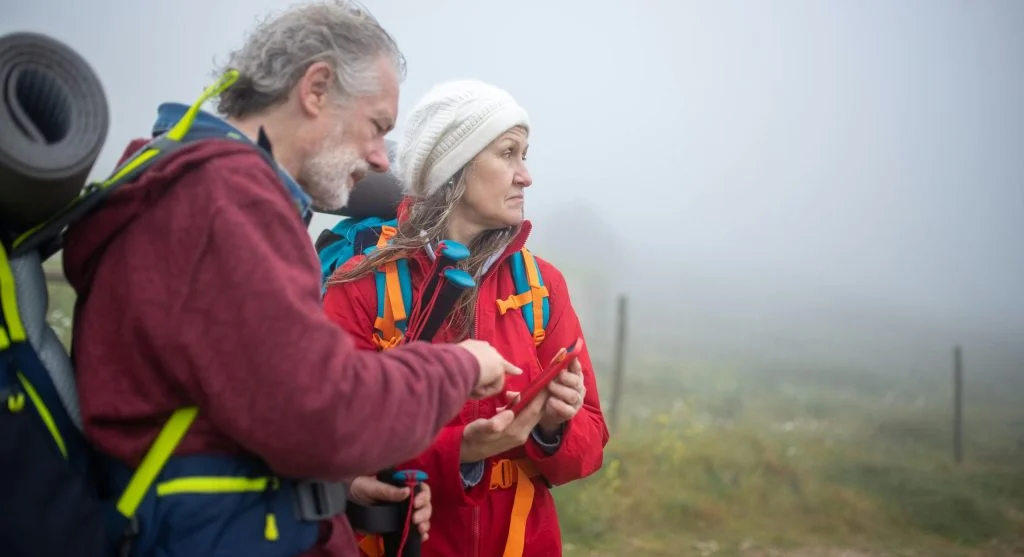
Credit: Timur Weber/ Pexels
Frequently Asked Questions
Q: What are the most useful hiking planning habits?
A: The most useful hiking planning habits include matching the trail to real ability, checking weather more than once, packing the Ten Essentials, and sharing the route with someone before leaving.
Q: Do hikers really need the Ten Essentials on short trails?
A: Yes. The National Park Service says hikers should carry the Ten Essentials even on short sightseeing hikes because they help with minor injuries, sudden weather changes, and unexpected delays.
Q: Why does weather matter so much for hiking?
A: NOAA says outdoor adventures can become dangerous because of weather and environmental hazards, and it recommends avoiding times when thunderstorms are likely.
Q: Why is trail planning part of outdoor travel safety?
A: Leave No Trace says travelers should plan ahead, match trip activities to skills and abilities, and pack the Ten Essentials. Those habits reduce common trail mistakes and support safer travel. :contentReference[oaicite:11]{index=11}
Key Takeaway
Strong hiking planning habits help outdoor travelers avoid common trail problems by focusing on preparation before the walk begins. Trail choice, weather awareness, the Ten Essentials, and a realistic backup mindset often make hiking trips safer and more enjoyable. Good outdoor travel usually starts with simple planning done early and done well.
INTERNAL LINKING SUGGESTIONS
- 8 Outdoor Travel Habits That Help Hikers Stay Safer on the Trail
- How to Prepare for a Hiking Trip Without Overpacking
- 8 Backup Travel Safety Habits That Help When Plans Go Wrong Abroad










Post Comment