8 Respectful Travel Habits That Help Visitors Blend In More Smoothly
Strong respectful travel habits help visitors move through unfamiliar places with more awareness and fewer misunderstandings. Most travel mistakes don’t come from bad intent. They happen when people move too quickly, assume routines are the same everywhere, or forget that locals are using those same spaces in their daily lives.
Official guidance often links respect with safety. Travel.State.gov advises travelers to stay alert, plan ahead, know where local police stations and hospitals are, keep phones charged, download offline maps, and share key details like hotel information and emergency contacts with someone at home. It also recommends avoiding visible valuables such as expensive jewelry.
1. Observe first before acting
One of the most useful respectful travel habits is simply pausing to observe before stepping in. This applies to sidewalks, public buildings, transportation, ticket counters, and quieter cultural areas. Watching how people move, where they stand, and how they interact can quickly give a sense of what feels normal in that space.
Travel.State.gov encourages travelers to stay aware and prepared, and that same approach naturally supports better etiquette. A few moments of observation can prevent small mistakes and help visitors move more comfortably.
Respect often begins with slowing down and understanding how a place works instead of assuming it follows the same patterns as home.
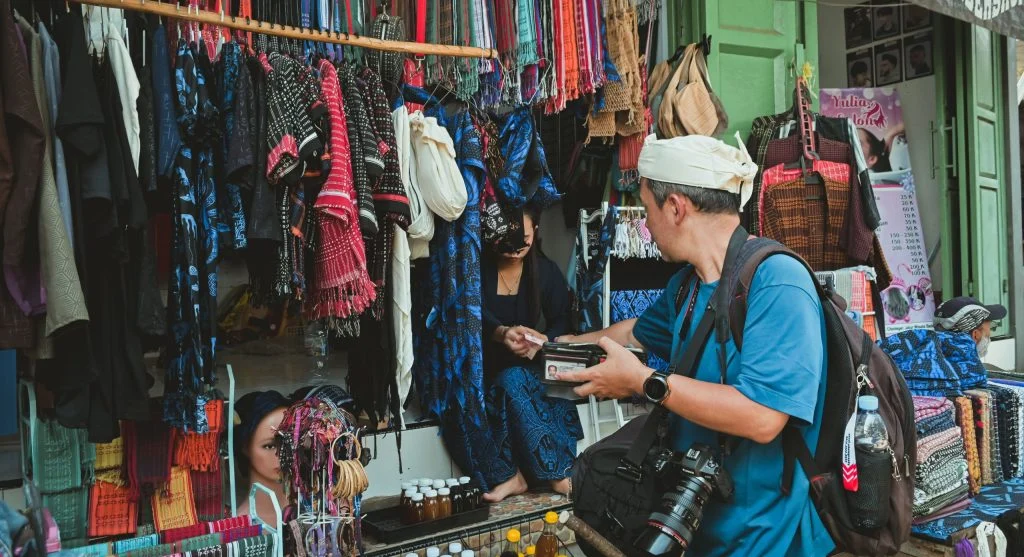
2. Keep valuables out of sight
Respectful travel is not only about behavior—it also includes how someone presents themselves. Displaying expensive items openly can attract unwanted attention and may come across as out of place in certain environments.
Travel.State.gov specifically advises travelers not to wear expensive jewelry or carry valuables in plain view. This is practical safety advice, but it also supports a more thoughtful and low-profile way of moving through a new place.
Travelers tend to blend in more easily when they keep things simple and avoid treating everyday spaces like a staged travel experience.
 Credit: Mathias Reding / Pexels
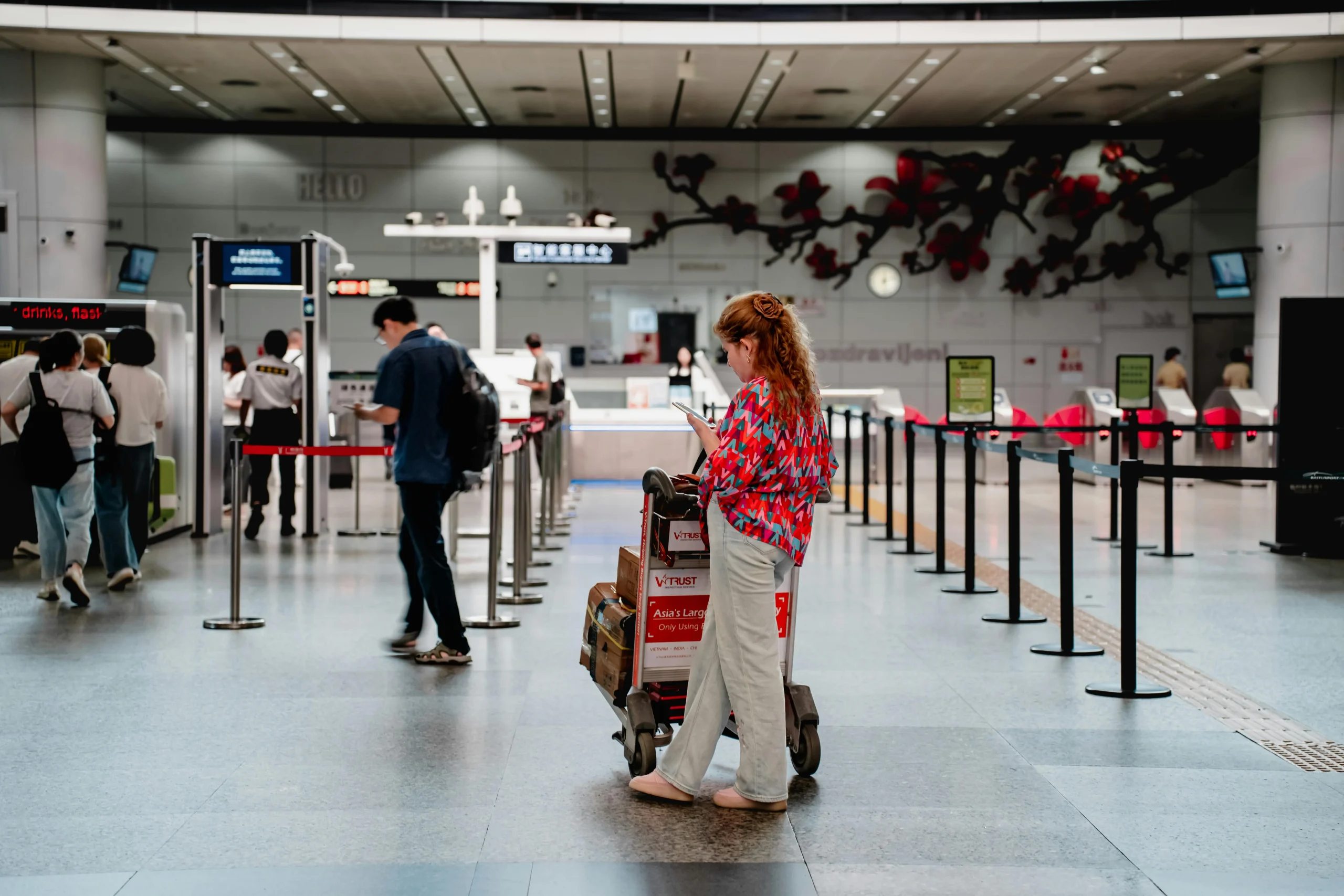
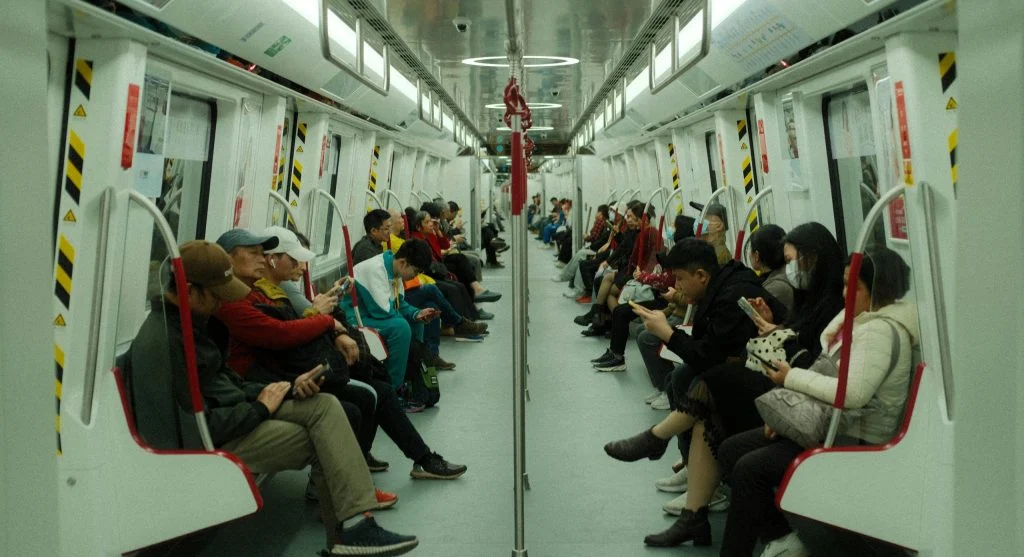
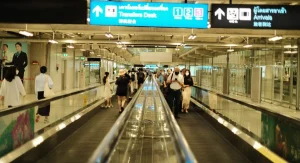
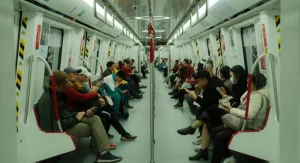
3. Treat transport as a shared public space
Transport is one of the clearest places where visitors reveal their travel habits. Loud conversations, blocking doors, taking too much space with bags, or crowding entrances can make a visitor stand out quickly for the wrong reasons.
Travel.State.gov warns that safety can vary greatly on public transport and says travelers should find safe transport options from reliable sources like local tourism offices. It also recommends booking airport transportation in advance with a trusted company, researching taxis and rideshare companies, and sharing ride details with someone trusted. :contentReference[oaicite:3]{index=3}
That official guidance is about safety, but it also points toward better etiquette. Calm movement, quieter behavior, and attention to how the space is being used help visitors fit in more naturally.
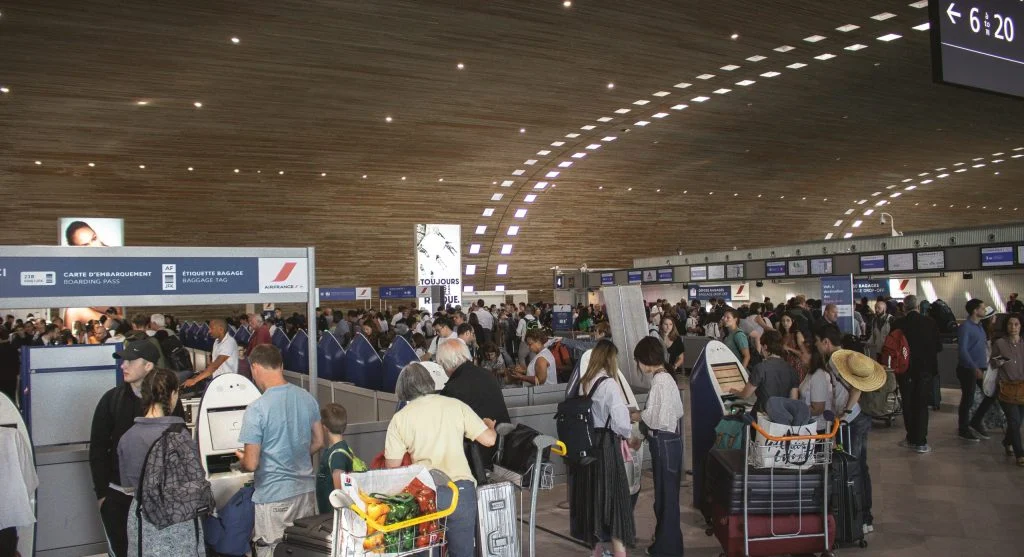
4. Know your route before stepping into crowded areas
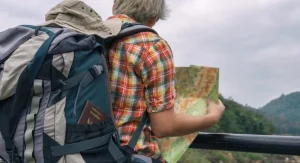
Visitors often cause unintentional disruption when they stop suddenly in narrow walkways, station exits, or busy entrances to check maps or decide what to do next. A better habit is to step aside first, then review directions in a quieter place.
Travel.State.gov recommends downloading offline map apps so travelers can navigate without internet and says travelers should keep their phones charged and carry a portable battery. Those simple steps help visitors move more smoothly and avoid creating confusion in crowded public areas.
This is one of the easiest travel etiquette habits to adopt because it improves both courtesy and confidence at the same time.
5. Keep public conversations and online updates limited
Some travel habits feel normal at home but can look careless abroad. Speaking loudly about daily plans in public or sharing detailed location updates online can affect both privacy and safety.
Travel.State.gov says travelers should not share detailed travel plans online until they return home. It also says travelers should tell someone trusted at home their itinerary, hotel names, locations they will visit, embassy information, and emergency contacts.
That combination suggests a useful respectful habit: share important trip information privately with trusted people, but avoid broadcasting it widely in public spaces or on public feeds.
6. Research safe, licensed transport instead of improvising
Improvised choices can create both safety problems and etiquette problems. Visitors who step into the first unverified ride or ignore how local transport systems work may end up in stressful situations that could have been avoided with a little preparation.
Travel.State.gov says informal taxis or minibuses can be risky, especially for solo travelers. It recommends researching taxis or rideshare companies, using app-based rideshare services that track rides, and never hitchhiking.
That is not only a safety habit. It is also a respectful one because it reduces confusion, arguments, and rushed choices in already busy public settings.
 Credit: dongfang xiaowu / Pexels
7. Respect lodging as a local environment, not just a booking
Hotels and guest stays are part of the travel experience, but they are also shared places with staff, other guests, and local expectations. Visitors who treat lodging casually can create unnecessary problems with noise, security, or rushed changes in plan.
Travel.State.gov says choosing safe places to stay and researching hotels for safety concerns should be part of travel plans, and it advises travelers to have backup options.
That supports a broader etiquette habit: use accommodations thoughtfully, plan ahead, and avoid turning lodging issues into avoidable public stress.
8. Blend caution with courtesy
The strongest travel etiquette often comes from the same habits that support personal safety. A visitor who stays alert, moves calmly, keeps a lower profile, and plans ahead usually creates fewer disruptions and handles unfamiliar situations better.
Travel.State.gov advises travelers to trust their instincts, have a safety strategy, know where local police stations and hospitals are located, and share important trip details with someone trusted at home. That guidance works well as an etiquette mindset too, because prepared travelers usually act with more awareness and less chaos.
Respectful travel does not require perfect knowledge of every local norm. It usually begins with attention, restraint, and the willingness to move thoughtfully through shared spaces.
Frequently Asked Questions
Q: What are the most useful respectful travel habits?
A: The most useful respectful travel habits include observing first, keeping valuables out of sight, stepping aside before checking directions, and using transport thoughtfully in shared spaces.
Q: Why should travelers avoid showing valuables openly?
A: Travel.State.gov advises travelers not to wear expensive jewelry or carry valuable items openly. This supports both safety and a lower-profile travel style. :contentReference[oaicite:9]{index=9}
Q: What is the best way to handle directions in crowded places?
A: A helpful habit is to step aside before checking maps or changing plans. Travel.State.gov also recommends offline maps, a charged phone, and a portable battery. :contentReference[oaicite:10]{index=10}
Q: Why is transport behavior part of travel etiquette?
A: Transport is a shared public space, so movement, noise, and preparation affect other people directly. Official guidance also recommends using safe, reliable transport options instead of improvising. :contentReference[oaicite:11]{index=11}
Key Takeaway
Strong respectful travel habits help visitors move through unfamiliar places with more awareness, less disruption, and better judgment. Low-profile behavior, transport awareness, route preparation, and thoughtful sharing of travel details often improve both etiquette and safety. Respectful travel usually starts with paying attention to the space and the people already using it.
INTERNAL LINKING SUGGESTIONS
- 8 Travel Etiquette Habits That Help Visitors Avoid Common Mistakes Abroad
- 8 Backup Travel Safety Habits That Help When Plans Go Wrong Abroad
- 8 Carry-On Packing Habits That Help Travelers Move Through Airports More Easily






Post Comment