8 Pre-Flight Safety Habits That Help Travelers Avoid Common International Problems
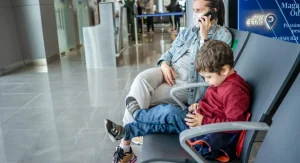
Credit: Kenneth Surillo / Pexels
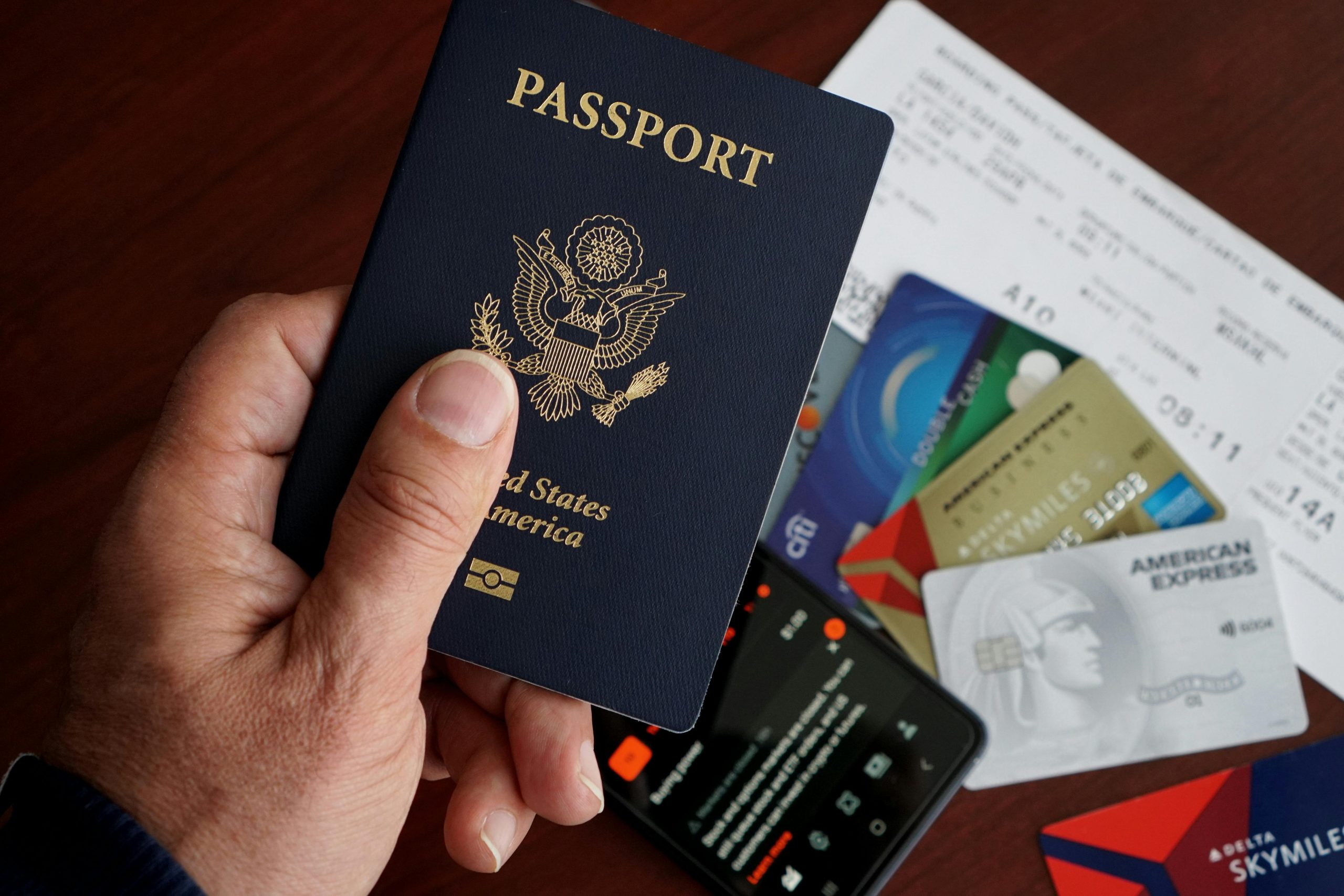
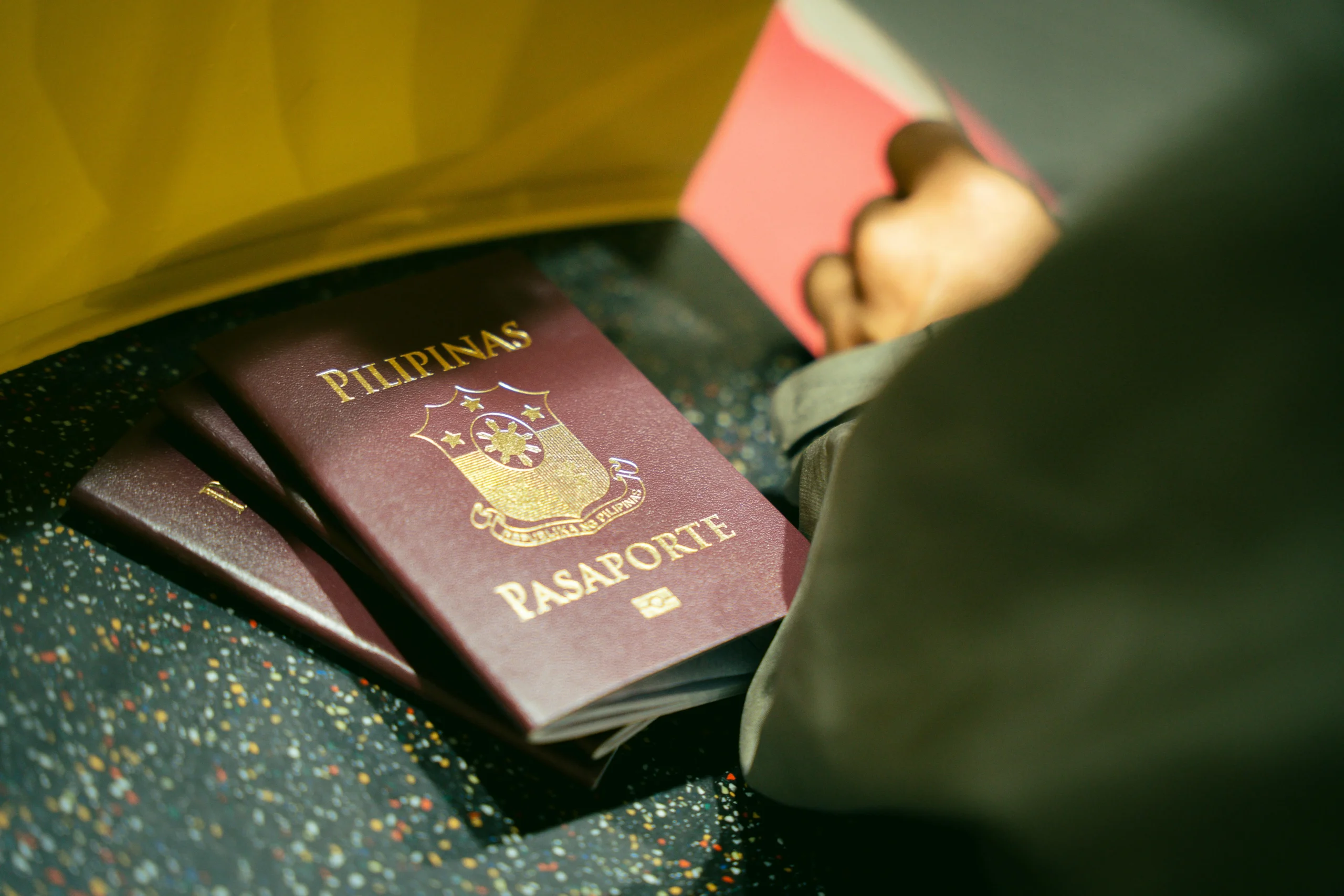
3. Confirm visa and entry requirements early
Many travelers assume the flight booking is the hardest part of planning. In reality, entry requirements can create bigger problems if they are ignored. Some destinations require visas or electronic travel authorizations, and those rules can vary by passport type and destination.
Travel.State.gov says some countries require a visa or electronic travel authorization to enter and tells travelers to check with the foreign embassy of the destination for the most up-to-date requirements. It also says travelers can review the Entry, Exit, and Visa Requirements section in the destination guidance.
That makes entry checks a safety habit as much as a paperwork habit. A traveler who confirms the rules early usually avoids the most stressful surprises.
4. Enroll in official travel alerts before departure
Another strong pre-trip habit is signing up for official updates before the journey starts. Travelers often feel safer when they know they can receive destination alerts instead of depending only on social media or last-minute searches.
Travel.State.gov says that when travelers join STEP, they receive important alerts and updates from the U.S. embassy or consulate for the destination, including security, demonstration, health, weather, natural disaster, and Travel Advisory updates. It also says STEP helps the embassy or consulate reach the traveler or their emergency contact in an emergency.
This is one of the easiest safety steps to complete before an international flight.
5. Pack medicine as a carry-on priority
Medication should never be treated like an afterthought on an international trip. Delayed luggage, missed connections, or local medicine restrictions can all make a small mistake much harder to fix after arrival.
Travel.State.gov says some prescriptions and over-the-counter medications are not legal in foreign countries even if they are legal in the United States, and it advises travelers to check the Health section of destination guidance before travel and bring copies of prescriptions and labeled bottles. CDC’s Yellow Book also advises travelers to keep medications and supplies in carry-on luggage, keep medicines in original prescription bottles, and carry copies of written prescriptions.
That makes medication planning one of the most practical pre-flight safety habits for any international trip.
6. Carry a travel health kit that fits the trip
Travelers often think of first-aid items only after something goes wrong. A small, well-planned travel health kit can make routine problems much easier to manage.
CDC’s Yellow Book says travelers should carry a travel health kit with prescription and nonprescription medications, and it notes that travel health kit information should be matched to the traveler’s health needs and trip conditions.
7. Build one simple emergency-contact backup
Travel plans feel more secure when one trusted person at home has the basics. A broad itinerary, hotel details, and key travel dates can be enough to help if communication breaks down or plans change unexpectedly.
Travel.State.gov says STEP can help embassies or consulates reach a traveler or their emergency contact in an emergency. CDC’s pre-travel guidance also emphasizes preparing for emergencies before travel.
This kind of backup is simple, but it often makes travel decisions feel calmer and more organized.
8. Use a repeatable checklist before every international flight
The best safety habits are often the ones that can be repeated on every trip. A short checklist covering passport, visa needs, medications, document copies, alerts, and health items usually works better than trying to remember everything from memory.
Travel.State.gov’s International Travel Checklist is built around exactly that idea. It tells travelers to organize required travel documents, review travel needs and safety tips, and consider travel insurance because the U.S. government does not cover medical bills or unexpected travel costs abroad.
A repeatable checklist turns safety into a routine rather than a rushed decision.
Frequently Asked Questions
Q: What are the most important pre-flight safety habits for international travel?
A: The most important pre-flight safety habits include reviewing destination rules, copying travel documents, confirming visa requirements, enrolling in official alerts, and organizing medicine before departure.
Q: Should travelers make multiple copies of travel documents?
A: Yes. Travel.State.gov says travelers should make multiple copies, keep one set separate from the originals, give one set to a trusted person, and take photos of the documents on a phone.
Q: Why should medicine stay in carry-on luggage?
A: CDC’s Yellow Book advises travelers to keep medications and supplies in carry-on luggage, keep medicines in original prescription bottles, and carry copies of written prescriptions.
Q: What does STEP do for travelers?
A: Travel.State.gov says STEP sends important alerts and updates from the U.S. embassy or consulate and can help officials reach the traveler or their emergency contact in an emergency.
Key Takeaway
Strong pre-flight safety habits help travelers reduce avoidable international travel problems before airport day begins. Document copies, visa checks, STEP enrollment, medication planning, and a small health kit can make a trip feel much safer and more manageable. The best travel safety often comes from simple steps done early and repeated on every trip. :contentReference[oaicite:13]{index=13}
INTERNAL LINKING SUGGESTIONS
- 8 Backup Travel Safety Habits That Help When Plans Go Wrong Abroad
- 8 Travel Day Habits That Help Airport Mornings Feel Less Stressful
- 8 Smart Booking Habits That Help Budget Travelers Avoid Surprise Costs











Post Comment