8 Flight Booking Habits That Help Budget Travelers Avoid Common Extra Fees
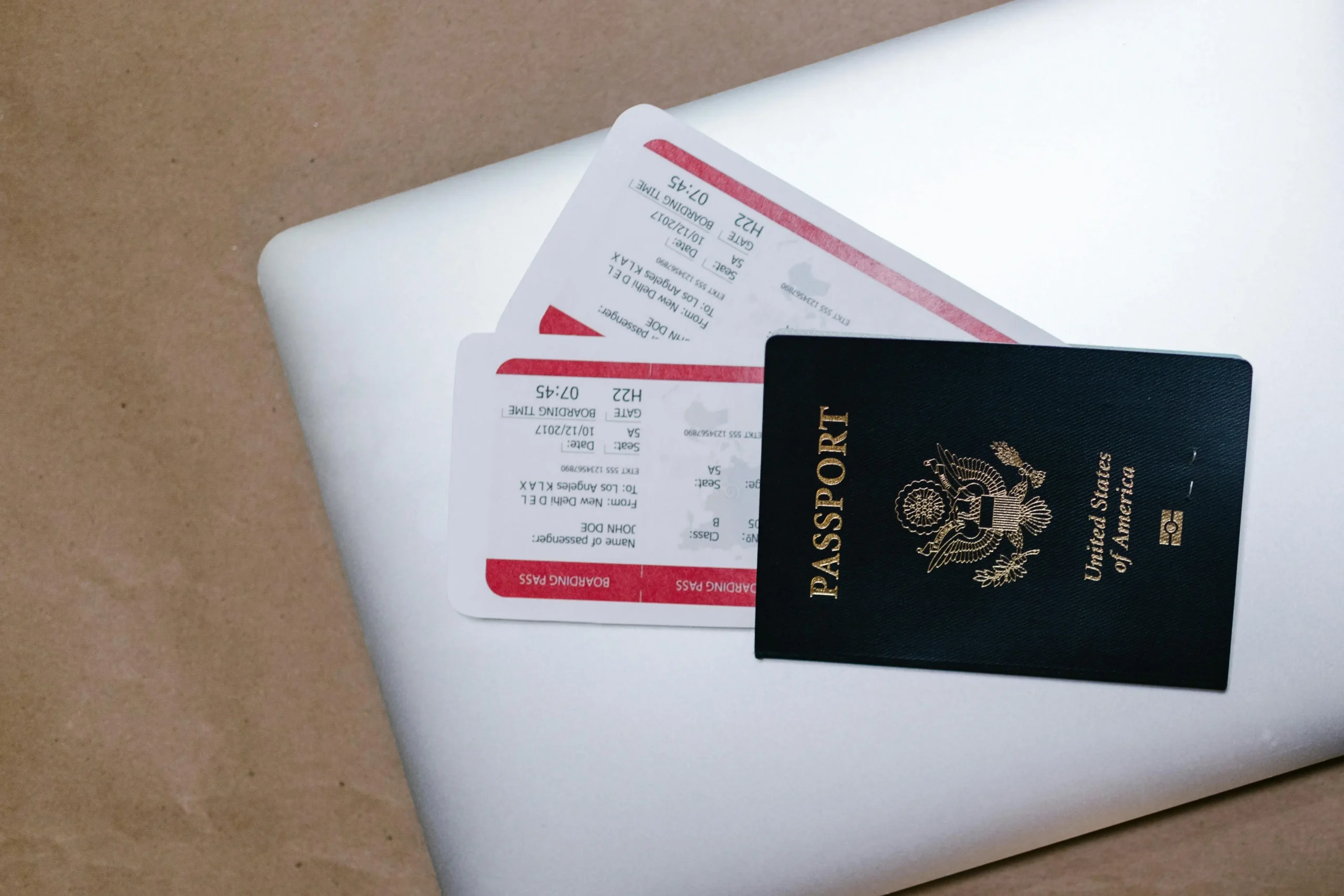
Strong flight booking habits can lower travel costs before a trip even begins. Many travelers focus on the cheapest headline fare, but that first price often hides the details that shape the real cost of the flight. Baggage rules, ticket restrictions, and optional services can quickly turn a low fare into a more expensive booking.
Official consumer guidance supports a more careful approach. The U.S. Department of Transportation says travelers should compare ticket prices, review restrictions on tickets, check optional services, look at baggage fees, and understand 24-hour cancellation or refund rules before buying a ticket. DOT also says airlines and travel agencies must display the total ticket price including applicable taxes, fees, and mandatory carrier-imposed surcharges.
1. Compare the full fare, not only the first number
One of the most useful flight booking habits is checking the full price instead of reacting to the cheapest number on the page. A lower base fare may still lead to a higher total cost if baggage, seat selection, or other extra charges are added later.
DOT says that when airfare is advertised, the total ticket price must include all applicable government taxes and fees as well as any mandatory carrier-imposed surcharges. Even so, optional services may still add to the final price, which is why budget travelers often do better when they compare complete trip costs rather than only the starting fare.
This simple habit often makes budget airfare tips more practical. It shifts the focus from what looks cheapest at first glance to what actually costs less by the end of checkout.
2. Read baggage rules before clicking buy
Baggage fees are one of the easiest ways for a low fare to become a disappointing one. Many travelers only compare ticket prices and forget that baggage costs can change the value of the deal.
DOT says airlines are required to provide information about baggage fees through a clear link from the airline’s homepage and through a link on the first screen that appears with a fare quotation for a specific itinerary. DOT also notes that airlines may have additional charges and restrictions for overweight and oversized baggage.
For budget travelers, this means bag policy should be treated as part of the airfare, not as a separate issue to notice later at the airport.

Credit: Ketut Subiyanto / Pexels
3. Check ticket restrictions, not only ticket price
Another common budget mistake is buying the cheapest fare without understanding the limits attached to it. Some ticket types are far more restrictive than others, and the cheaper fare may not include benefits that matter later.
DOT says airlines are free to create different ticket types with different restrictions, and it notes that discounted tickets such as basic economy often have stricter rules like non-refundability, baggage restrictions, and no seat assignment.
This means a slightly higher ticket may sometimes create better overall value if it prevents later fees or allows more flexibility.
4. Review optional services as real costs
Optional charges can quietly raise the price of a trip. Seat selection, pet travel, priority check-in, snacks, Wi-Fi, and other extras may not look important during the first fare comparison, but they can matter depending on the trip.
DOT explains that optional services are separate from the ticket itself and may include baggage fees, onboard Wi-Fi, meals, drinks, pet travel, seat selection, and other add-ons. It also says airlines and ticket agents cannot automatically include optional services in the ticket price without the consumer agreeing to pay for them.
That makes one of the best budget travel habits very simple: decide which optional services actually matter before checkout begins.
5. Use the 24-hour rule wisely
Booking mistakes happen. Dates get mixed up, names are entered incorrectly, or travelers realize too late that another flight was the better choice. Budget travelers can save money by understanding what refund or hold options exist right after purchase.
DOT says that for airline tickets purchased at least seven days before departure, airlines are required either to allow passengers to cancel within 24 hours for a full refund without penalty or to allow a 24-hour hold at the quoted price. DOT also notes that airlines do not have to offer both options, so travelers should check the airline’s policy before buying.
Knowing this rule does not solve every mistake, but it can reduce the cost of a rushed booking error.
6. Confirm international document needs before locking in the trip
Budget travel also depends on avoiding waste. A flight can become very expensive if a traveler books first and discovers later that required documents, passport validity, or entry rules were not reviewed in time.
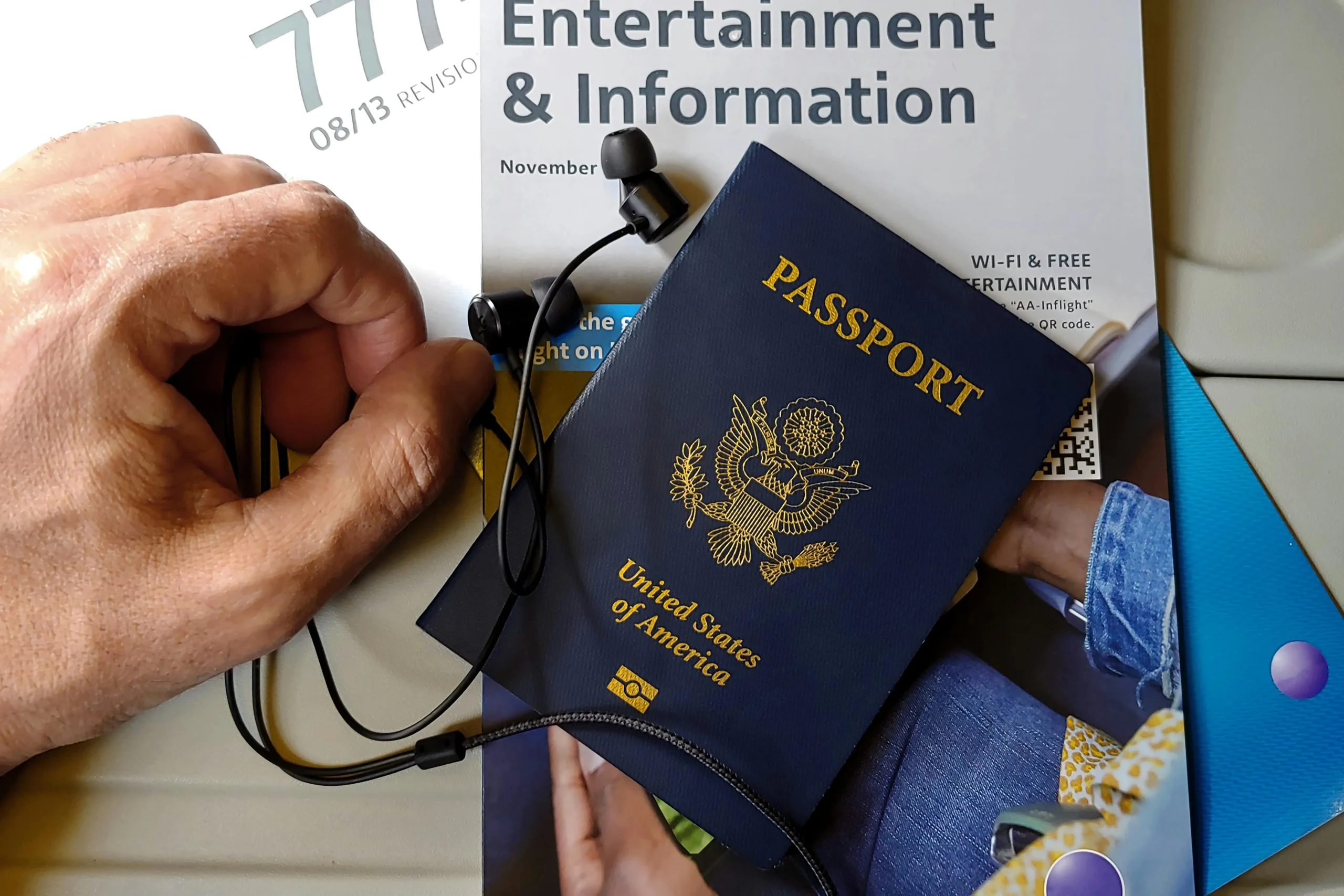
Travel.State.gov’s International Travel Checklist says travelers should check passport expiration dates early, review visa or electronic travel authorization needs, and make sure they have the required travel documents well before departure. DOT also says airlines are not required to provide the appropriate travel documentation for international travel and that it is the traveler’s responsibility to arrive with proper documents.
This makes document review part of budget travel too, because missed paperwork can lead to rebooking costs, delays, or canceled plans.
Credit: DΛVΞ GΛRCIΛ / Pexels
7. Compare direct booking and third-party booking carefully
Some travelers use agencies or booking platforms to compare flights, while others prefer booking directly with the airline. The best choice may depend on the fare and the traveler’s needs, but the restrictions should always be checked carefully.
DOT says that when travelers purchase through a travel agency or agent, they are not buying directly from the airline, and if problems happen later, the traveler should first contact the agency or agent because the airline may be limited in the kind of help it can provide.
This is one reason budget travelers often do well when they compare not only price, but also where the support responsibility will sit if something goes wrong.
8. Use one repeatable flight-check routine every time
The best savings habits are often the simplest. A short booking routine can help travelers avoid missing important details. That routine may include total fare, baggage rules, optional services, ticket restrictions, refund policy, and document requirements.
DOT’s buying guidance and Travel.State.gov’s travel checklist both support this structured approach by highlighting the exact issues travelers should review before travel. A repeatable check usually works better than depending on memory or rushing through checkout.
Budget travel often feels easiest when travelers use the same practical process on every booking rather than starting from scratch each time.
Frequently Asked Questions
Q: What are the most useful flight booking habits for budget travelers?
A: The most useful flight booking habits include comparing the full fare, checking baggage rules, reviewing ticket restrictions, and looking at optional services before purchase.
Q: Why is the cheapest fare not always the best deal?
A: DOT says discounted tickets often have stricter rules such as non-refundability, baggage restrictions, and no seat assignment. Extra fees can make the cheapest fare less valuable overall. :contentReference[oaicite:9]{index=9}
Q: What does the 24-hour airline rule mean for travelers?
A: DOT says that for tickets bought at least seven days before departure, airlines must either allow a 24-hour cancellation with full refund or offer a 24-hour hold at the quoted price. :contentReference[oaicite:10]{index=10}
Q: Why should travelers check passport and visa rules before booking international flights?
A: Travel.State.gov says travelers should confirm passport validity and visa or electronic travel authorization requirements early, and DOT says it is the traveler’s responsibility to arrive with proper international travel documents. :contentReference[oaicite:11]{index=11}
Key Takeaway
Strong flight booking habits help budget travelers avoid common extra fees by turning airfare shopping into a more careful process. Baggage rules, ticket limits, optional services, and document requirements can all affect the real value of a booking. The cheapest flight often stops being the cheapest when these details are ignored. :contentReference[oaicite:12]{index=12}
INTERNAL LINKING SUGGESTIONS
- 8 Smart Booking Habits That Help Budget Travelers Avoid Surprise Costs
- 8 Travel Day Habits That Help Airport Mornings Feel Less Stressful
- 8 Pre-Flight Safety Habits That Help Travelers Avoid Common International Problems













Post Comment