8 Budget Travel Habits That Help Travelers Avoid Extra Costs

Strong budget travel habits often save more money than chasing last-minute discounts. Many travelers focus only on finding the lowest headline price, but trips tend to become more expensive because of added fees, poor timing, and small planning oversights. A cheaper ticket or room does not always mean a cheaper trip overall.
Official travel guidance supports a more careful approach. The U.S. Department of Transportation notes that travelers can compare fares and schedules across airline websites and third-party booking platforms. Recent DOT rules also require airlines to show baggage, change, and cancellation fees more clearly upfront. This makes comparison easier, but it is still important to review the full cost before booking.
1. Compare the full trip cost, not just the ticket price
One of the most effective budget travel habits is to look at the total cost of the journey, not just the base fare. A lower airfare can end up costing more if it includes high baggage fees, inconvenient airport transfers, or arrival times that require a more expensive hotel stay.
DOT consumer guidance highlights how easy it is to compare fares and schedules online, making it simpler to evaluate multiple options. With clearer fee disclosures now required, travelers can better assess the true cost before purchasing. This matters because smart travel decisions come from comparing overall value, not just the first number on the screen.
2. Check extra airline fees before booking
Budget travel plans often fall apart when extra charges are overlooked. Fees for baggage, seat selection, and ticket changes can quickly increase the final price, especially on longer trips or when traveling with others.
The DOT has introduced rules to reduce surprise airline fees by requiring upfront disclosure. While this helps, it is still important to check baggage limits and optional charges before completing a booking. A low base fare may not remain a bargain once those extras are included.

Credit: Jakub Zerdzicki / Pexels
3. Use planning checklists to avoid buying things twice
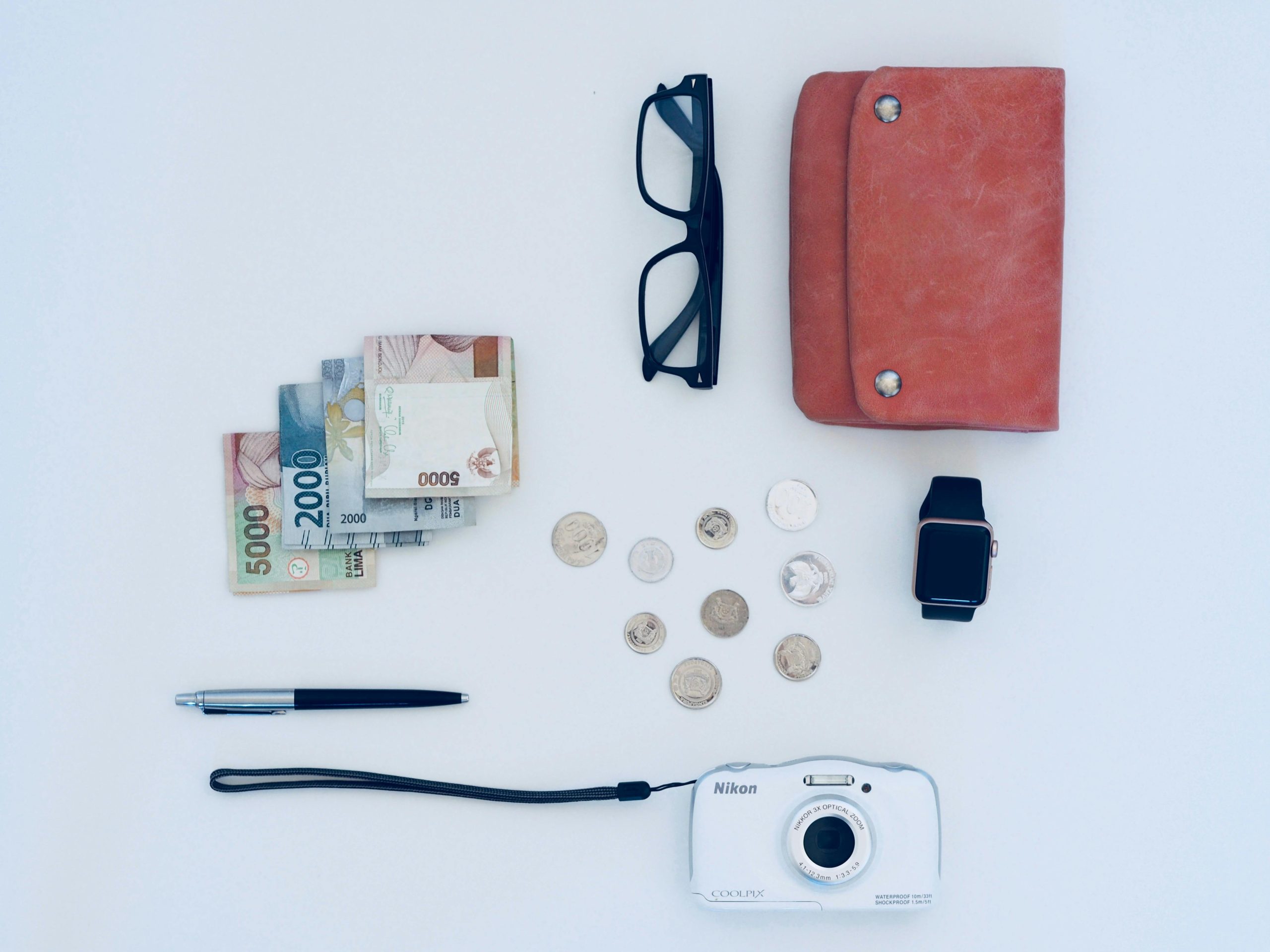
One of the simplest ways to save money while traveling is to avoid forgetting essentials. Replacing items like chargers, medication, weather gear, or toiletries in airports or tourist areas often costs more than expected.
Travel planning guidance from the U.S. State Department recommends using an international travel checklist before departure. The CDC also advises bringing medications from home and packing a travel health kit suited to the trip. These steps help prevent unnecessary purchases after arrival.
4. Pack with fees and convenience in mind
Budget-friendly packing is not just about packing less—it is about packing smart. Travelers who understand airline baggage rules and avoid overpacking can reduce both fees and stress on travel day.
CDC guidance suggests bringing enough medication for the entire trip, along with extra in case of delays, and keeping essential items within easy reach. While this advice focuses on health and preparedness, it also supports budget travel by reducing the need for costly replacements later.
5. Choose practical lodging, not just the lowest room price
Travelers often save more by choosing a well-located place to stay rather than the cheapest option available. A hotel that is far from key areas can lead to higher daily costs through transportation, longer travel times, and added inconvenience.
Official travel planning resources encourage thinking through transportation and day-to-day logistics before booking accommodation. In many cases, a slightly higher room rate in a better location can reduce the total cost of the trip.
6. Expect small disruptions and avoid expensive last-minute fixes
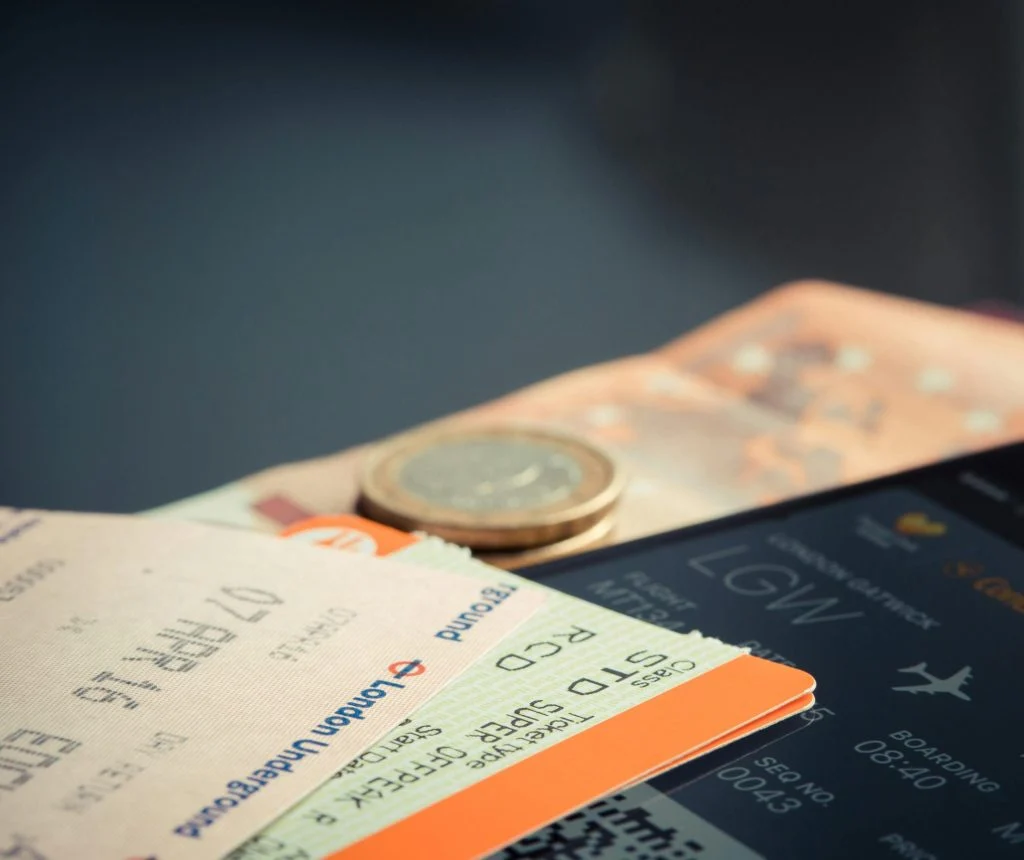
Unexpected changes are a common source of extra costs. Missed connections, delays, or forgotten items can lead to rushed decisions and higher spending. Travelers usually do better when they build some flexibility into their plans and carry a few essentials, such as snacks, charging cables, and important documents.
Travel.State.gov planning guidance emphasizes preparing for practical needs ahead of time. This kind of preparation is not only about safety—it also helps avoid paying premium prices in stressful situations.
Credit: / Pexels
7. Use official travel information to make smarter choices
Budget travel is not only about watching prices. Reliable, official travel information can also help protect your budget. Misunderstanding local transport, entry requirements, or safety conditions can lead to wasted bookings, unnecessary transfers, or other avoidable costs.
Travel.State.gov provides destination-specific guidance, travel advisories, and planning tools. Reviewing this information in advance can help prevent costly mistakes caused by poor preparation.
8. Think of value over the whole trip
The most effective budget travel strategy is not always the cheapest option in a single category. It is usually the most balanced choice across flights, accommodation, timing, and daily convenience. Spending slightly more on a practical flight or a better-located hotel can still reduce overall costs.
DOT guidance makes it clear that travelers now have better tools to compare fares and schedules. The best results come from using those tools carefully and paying attention to the details that shape the full cost of the trip.
Frequently Asked Questions
Q: What are the best budget travel habits for beginners?
A: Comparing full trip costs, reviewing airline fees, and using a packing checklist are some of the most effective habits. These steps help avoid common overspending mistakes.
Q: Why do low-cost trips become expensive later?
A: Costs often increase due to extra fees, last-minute purchases, poor hotel location, or forgotten essentials. The initial price does not always reflect the full cost of the trip.
Q: Can official travel guidance help with budget travel?
A: Yes. Official planning tools and checklists can help travelers avoid costly mistakes related to documents, transportation, and missing essentials.
Q: Why is baggage planning part of budget travel?
A: Baggage rules and fees can significantly affect the total cost of a flight. Reviewing them before booking or packing helps avoid unexpected charges.
Key Takeaway
Strong budget travel habits come from checking the full cost of the trip, not only the cheapest headline price. Travelers often spend less when they compare fees carefully, choose practical lodging, and use planning checklists before departure. Low-cost travel usually works best when it is organized, realistic, and built around total value.
INTERNAL LINKING SUGGESTIONS
- 8 Travel Mistakes First-Time Flyers Often Make and How to Avoid Them
- How to Pack for a Trip Without Forgetting the Essentials
- 8 Travel Safety Checks to Make Before an International Trip












Post Comment