8 Travel Etiquette Habits That Help Visitors Avoid Common Mistakes Abroad

Strong travel etiquette habits help visitors navigate new places with greater awareness and less friction. Most travel mistakes do not come from bad intentions. They come from assuming that public behavior, dress, photography, and everyday routines work the same way everywhere. Respectful travel usually begins with observation and a willingness to adjust.
Official guidance supports this approach. The U.S. Department of State advises travelers to respect local customs and rules, including differences in dress and public behavior. European responsible travel guidance also encourages learning about local culture, etiquette, and expectations before arriving.
1. Learn basic local customs before the trip
One of the most useful travel etiquette habits is learning a few simple customs before leaving home. Travelers do not need deep cultural knowledge, but understanding basics, such as greetings, queuing, dress expectations, and behavior in public or religious spaces, can make a clear difference.
European travel guidance recommends becoming familiar with a destination’s culture, customs, and local laws in advance. The U.S. Department of State also encourages reviewing destination-specific pages for this information.
This kind of preparation often prevents small mistakes that can create awkward situations or leave a poor impression.
2. Dress for the place, not only for comfort
Comfort matters during travel, but clothing also signals awareness of the setting. In some destinations, modest dress is expected in religious areas, quieter communities, or public places outside tourist zones.
The U.S. Department of State notes that clothing considered normal at home, such as sleeveless tops, shorts, or tighter styles, may not always be appropriate elsewhere. In certain destinations, it specifically advises dressing modestly to respect local customs.
This does not mean dressing the same way everywhere. It means letting the location guide clothing choices rather than relying solely on habit.
 Credit: Quang Nguyen Vinh / Pexels
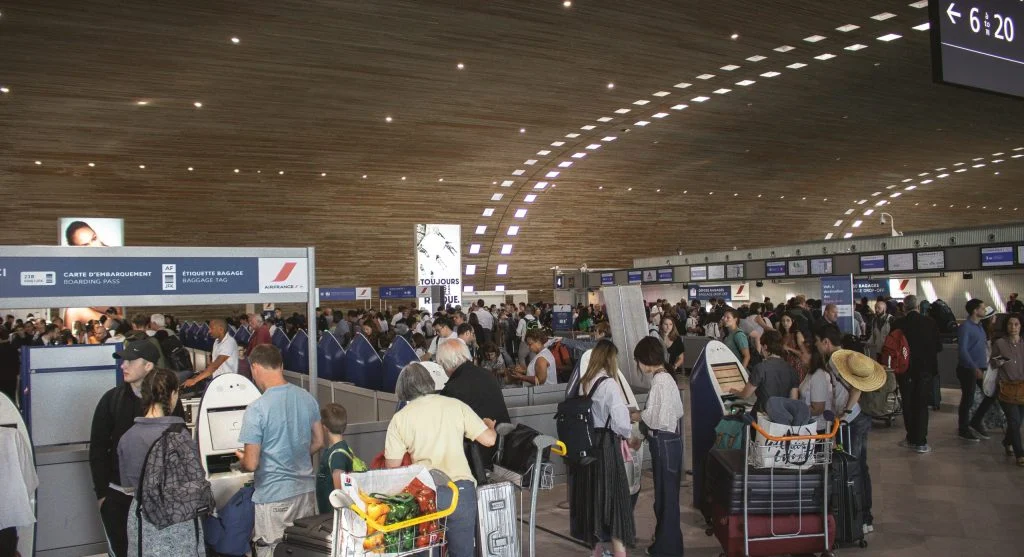
3. Watch how shared spaces are used
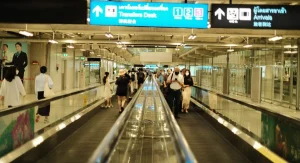
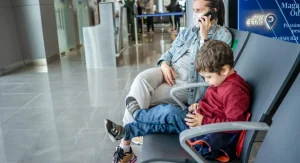
Public behavior is one of the clearest signs of whether a visitor is paying attention. Sidewalks, queues, trains, buses, and waiting areas all have their own rhythm. Travelers who stand in the way, move unpredictably, or ignore how others use space can create frustration quickly.
Travel advisories often remind travelers to understand local customs and etiquette and to keep a low profile in public. That guidance is practical, not only cultural. Paying attention to how people line up, speak, sit, and move often helps visitors blend in more comfortably.
A simple rule helps in many places: notice first, then act.
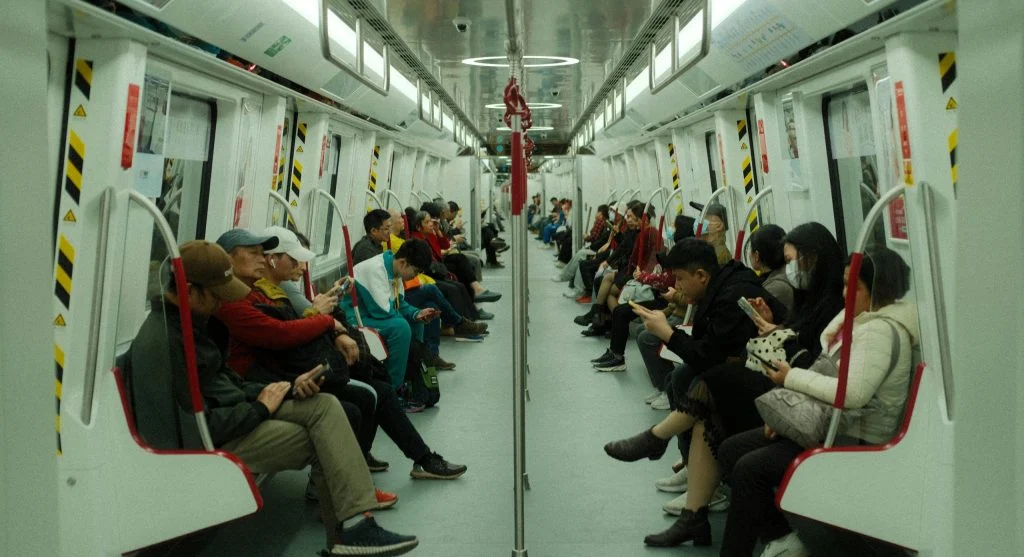
4. Keep public transport manners simple and quiet
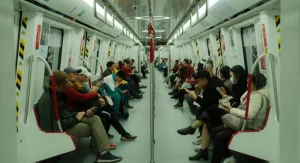
Public transport is one of the easiest places for etiquette mistakes to appear. Bags that block seats, loud phone conversations, crowding doors, or ignoring line order can affect many people at once. Visitors often benefit from treating trains and buses as shared spaces that work best with quiet awareness.
Travel.State.gov guidance repeatedly emphasizes respecting local customs and keeping a low profile while abroad. That mindset fits especially well on public transport, where calm behavior and attention to others often matter more than speaking the local language well.
Travelers do not need a long list of rules. Standing aside, lowering volume, and moving with the flow usually go a long way.
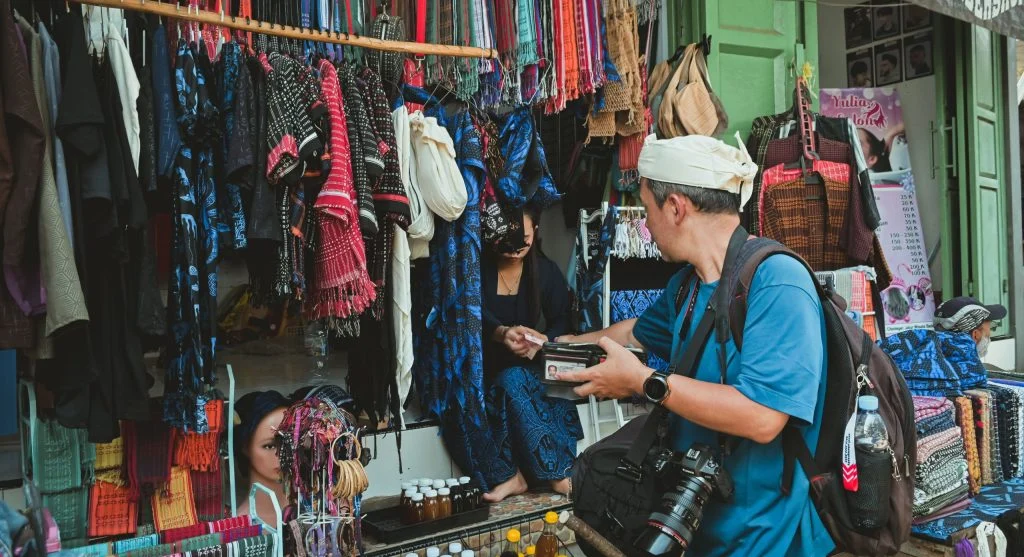
5. Ask before photographing people
Photography feels normal during travel, but not every moment is meant to be captured. Visitors often forget that people in markets, neighborhoods, transport settings, or religious areas are not simply part of the scenery.
EU responsible travel guidance says travelers should ask permission before photographing an individual and also notes that some holy sites and government buildings may restrict photography.
This makes photography one of the clearest tests of respectful travel. A pause before taking the picture often matters more than the picture itself.
6. Treat local laws as part of etiquette, too
Travel etiquette is not only about manners. It also includes understanding that local rules may differ in important ways from what a traveler expects at home. Something that seems minor in one place may be restricted or taken seriously in another.
Travel.State.gov says travelers should know local laws because some countries restrict items such as medications, alcohol, religious items, or books that may be legal elsewhere. Its Maldives advisory also notes that bringing alcohol into the country or having it on non-resort islands is not allowed and that these rules are strictly enforced.
That is why respectful travel often starts with reading the rules, not guessing them.
 Credit: Nothing Ahead / Pexels
7. Keep a low profile in unfamiliar places
Many respectful travel habits also improve comfort and safety. Travelers who stay aware of their surroundings, avoid drawing unnecessary attention, and move calmly through public places often have smoother experiences.
Travel.State.gov guidance for travelers abroad advises understanding local customs and etiquette, keeping a low profile, and considering security when visiting public and religious sites.
This is not about acting fearful. It is about behaving with enough awareness that local space is treated seriously rather than casually.
8. Let patience shape the trip
One of the strongest travel etiquette habits is patience. Systems, service styles, communication patterns, and public routines often work differently across destinations. Visitors who respond with frustration can turn a small inconvenience into a larger problem.
Official travel guidance consistently points travelers toward respect for local customs, rules, and conditions. In practice, that often means slowing down, observing how things work, and adjusting without assuming local routines should match expectations from home.
Patience often does more for respectful travel than perfect knowledge.
Frequently Asked Questions
Q: What are the most important travel etiquette habits?
A: Learning local customs, dressing appropriately, respecting shared spaces, and asking before photographing people are among the most important travel etiquette habits.
Q: Why does clothing matter during international travel?
A: Official guidance notes that clothing considered normal at home may not be appropriate elsewhere, especially in places with stronger modesty expectations.
Q: Should travelers ask before taking someone’s photo?
A: Yes. EU responsible travel guidance says travelers should ask permission before photographing an individual and should also watch for site restrictions.
Q: Is travel etiquette only about manners?
A: No. It also includes respecting local laws, dress norms, photography rules, and public behavior expectations in the destination.
Key Takeaway
Strong travel etiquette habits help visitors avoid common mistakes by focusing on awareness, patience, and respect for local customs. Travelers usually have smoother experiences when they adjust clothing, photography, public behavior, and expectations to fit the place they are visiting. Respectful travel does not require perfection, but it does require attention.
INTERNAL LINKING SUGGESTIONS
- Travel Etiquette Tips That Help Visitors Show Respect Abroad
- What First-Time Visitors Should Know About Lisbon Before They Go
- 8 Travel Safety Checks to Make Before an International Trip







Post Comment