8 Carry-On Packing Habits That Help Travelers Move Through Airports More Easily
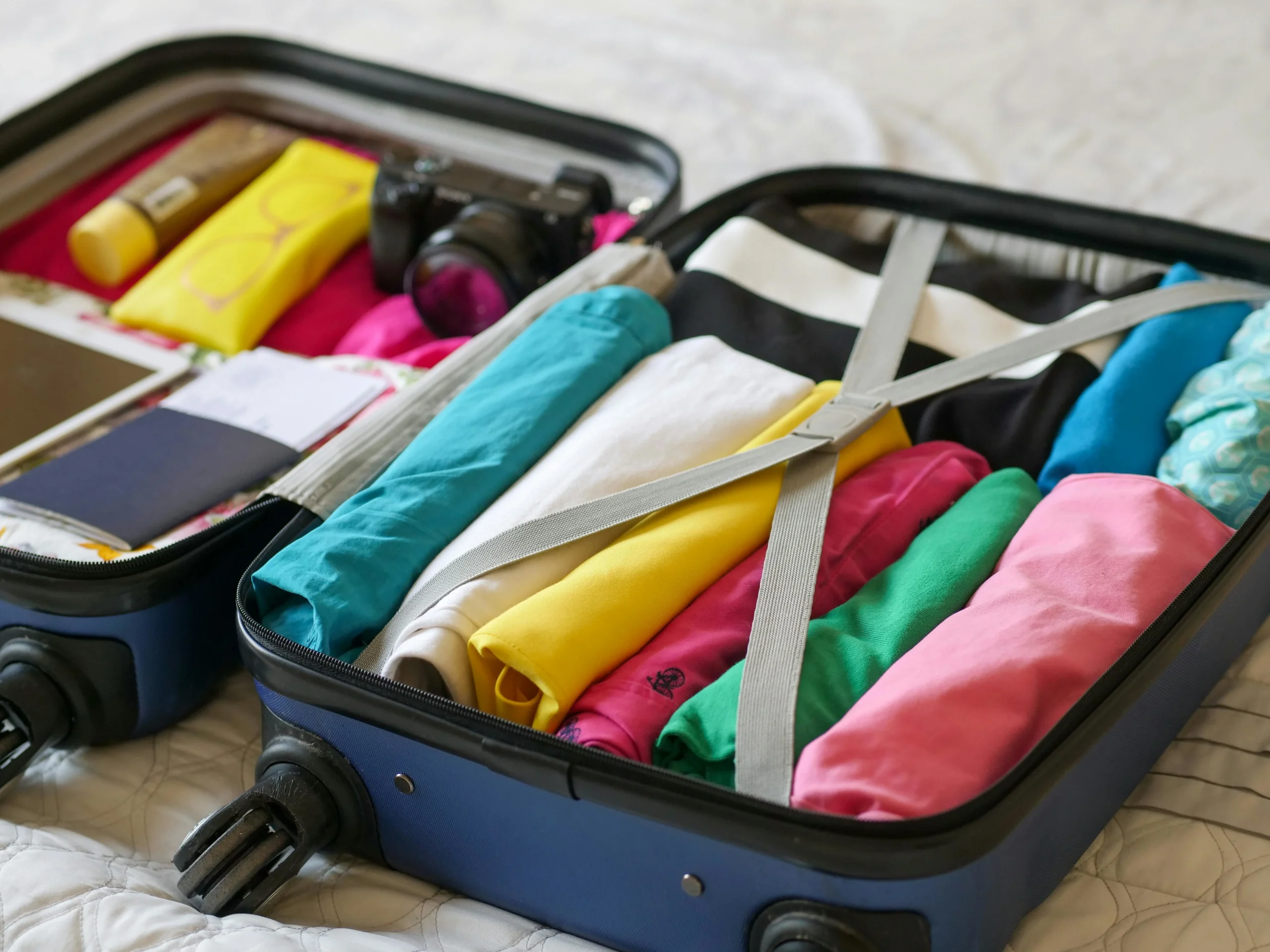

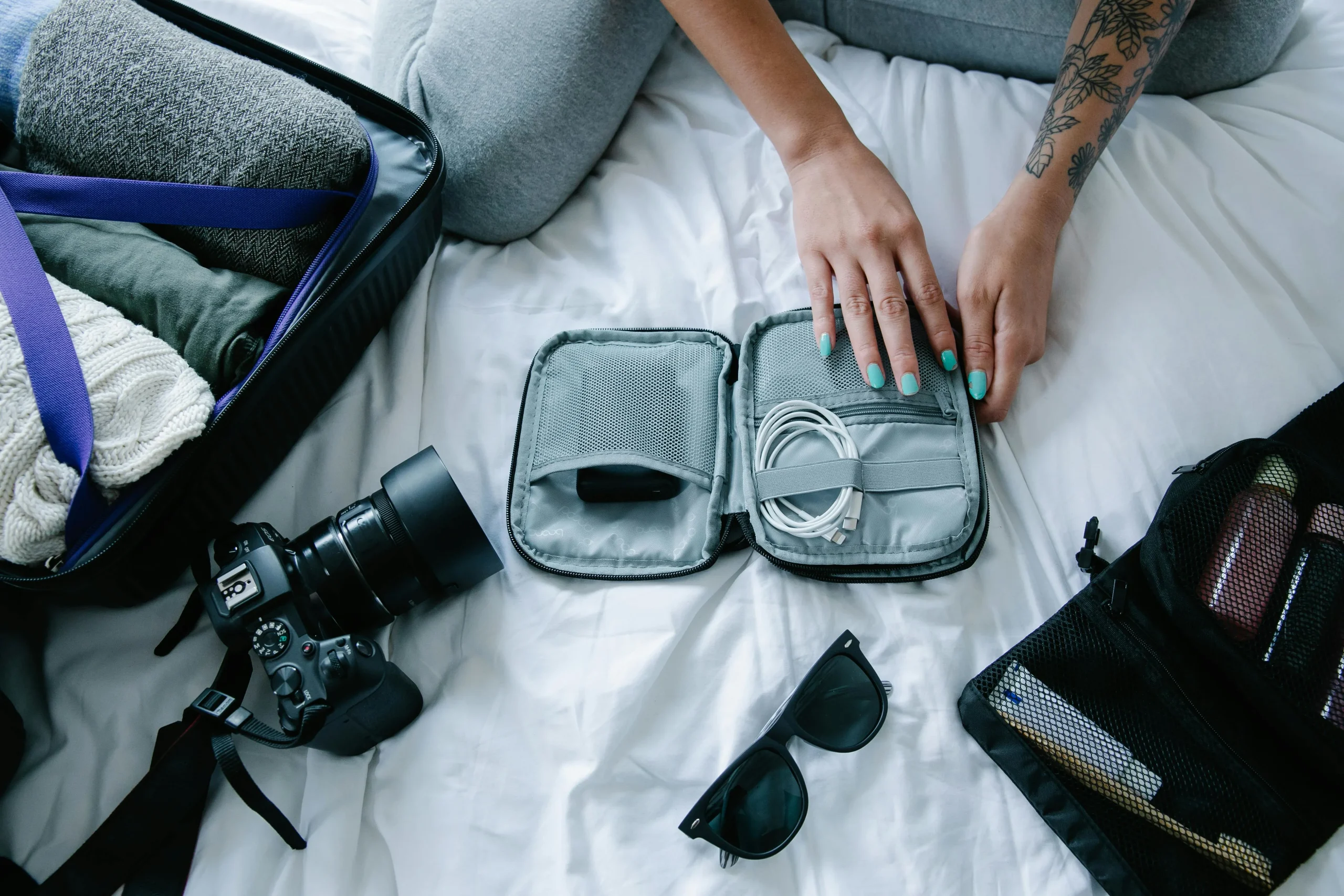
carry-on packing habits with a neatly organized suitcase containing toiletries and electronics

Strong carry-on packing habits can make airport travel smoother well before boarding even begins. Many travel-day issues come from bags that are overpacked, poorly organized, or not prepared with security screening in mind. A well-packed carry-on usually means less stress at checkpoints, easier access to essentials, and fewer surprises along the way.

Official travel guidance supports this approach. TSA guidelines outline the liquids rule for carry-on bags and clarify that portable chargers and spare lithium batteries should stay in carry-on luggage rather than checked bags. Travel.State.gov also recommends using an international travel checklist that includes important items like passports, visas, medications, and documents for traveling with children.

1. Build the carry-on around essentials, not everything

One of the most useful carry-on packing habits is deciding what truly needs to go in the bag before you start packing. A carry-on isn’t meant to be a backup for everything—it works best when it holds the items you may need during the journey or that would be difficult to replace if lost.

Travel.State.gov’s international checklist highlights essentials like a valid passport, required visas, and medications. This supports a simple rule: important documents and personal necessities should always be within easy reach.

It often helps to think in priorities. Start with critical items, add a few convenience items, and then reconsider anything that doesn’t clearly fit.

2. Pack liquids with the TSA rule in mind from the start

Getting through airport security is much easier when liquids are packed correctly ahead of time. TSA rules state that liquids, gels, creams, and similar items must be in containers of 3.4 ounces (100 milliliters) or less, all fitting into a single quart-size bag.

This is one of the most practical airport packing habits because it helps avoid delays at the checkpoint. Everyday items like toothpaste, sunscreen, lotion, and shampoo all fall under this rule, and many travelers overlook them until the last minute.

Packing liquids early in a clear, organized bag usually saves more time than trying to rearrange everything while standing in the security line.

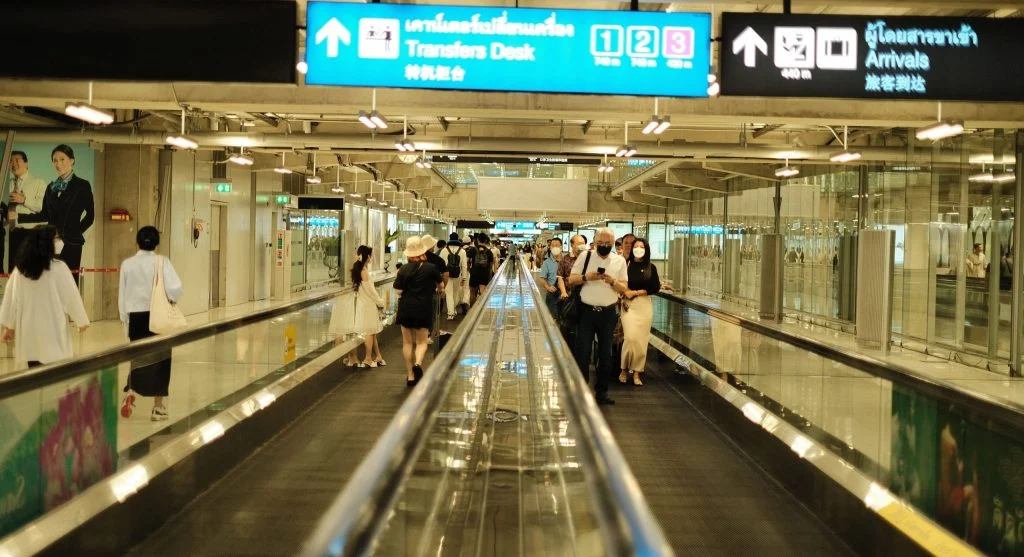
Humid days affecting outdoor comfort during warm weather activity

Credit: Amar Preciado  / Pexels

3. Keep batteries and power banks where they belong

Chargers are often treated as an afterthought, but battery rules are important when flying. TSA guidelines state that portable chargers or power banks with lithium-ion batteries must be carried in a carry-on bag, not checked luggage. The same applies to spare lithium batteries.

This makes organizing electronics one of the more overlooked carry-on packing habits. Keeping power banks, cables, and chargers together in a single pouch can make security checks smoother and reduce the chance of forgetting something essential.

It also helps during the trip itself. Being able to quickly grab a charger or power bank can make a big difference during delays, long layovers, or extended time at the gate.

4. Give documents and medication their own section

Air travel tends to move in quick stages—check-in, security, boarding, and arrival all require different items at different times. If a passport or ID is buried deep in the bag, even a simple step can become stressful.

Travel guidance highlights the importance of keeping passports, visas, and medications easily accessible. Health authorities also recommend carrying necessary medicines from home, along with prescription details when needed. Grouping these items in one dedicated section is one of the most effective carry-on habits.

A document sleeve, small organizer, or a consistent pocket can make this much easier. Using the same setup on every trip helps build a routine that saves time and reduces stress.

5. Pack for the flight, not only for the destination

A carry-on should be packed for the entire travel day, not just for arrival. Airports often involve long walks, waiting periods, delays, temperature changes, and fatigue before the trip really begins.

Travel checklists often emphasize preparing for the journey itself. In practical terms, that means including items you may need during transit—such as chargers, basic toiletries, medication, and a light layer for comfort.

Travelers who think ahead about the airport experience usually feel more prepared and less rushed if plans change along the way.

6. Leave room for quick access, not just tight packing

It’s tempting to pack a carry-on as tightly as possible, but overpacking can make everything harder to reach. A slightly more organized approach often works better, especially during security checks and boarding.

This is particularly helpful for items that may need to be accessed quickly, such as documents, headphones, chargers, a pen, medication, or the liquids bag. While TSA doesn’t require perfect packing, its screening process is much smoother when travelers can separate key items easily.

Good carry-on packing isn’t just about fitting more into the bag—it’s about being able to find what you need without unpacking everything in the middle of the airport.

carry-on packing habits showing easy access to passport and charger at the airport

Credit: Timur Weber / Pexels

7. Know the exceptions that may matter for your trip

General rules matter, but some travelers also need to know about special exceptions. TSA says formula, breast milk, and juice in quantities greater than 3.4 ounces are allowed in carry-on baggage and do not need to fit within a quart-size bag. TSA also provides specific medical and family-travel screening guidance. :contentReference[oaicite:8]{index=8}

That makes research one of the better carry-on packing habits. Parents, travelers with medical devices, and travelers carrying medically necessary items often benefit from reviewing official guidance before the trip instead of assuming the standard rule covers every situation.

A few minutes of checking the rules can prevent a stressful checkpoint conversation later.

8. Use the same carry-on system every trip

One of the simplest travel tips is also one of the most effective: use the same packing layout each time. When documents always go in the same place, the liquids bag stays in the same pocket, and chargers live in the same pouch, travel days often feel easier.

Travel.State.gov’s checklist and TSA’s screening guidance both reward preparation and consistency, even if they describe it differently. A repeatable carry-on system helps travelers remember important items, follow security rules more easily, and reduce last-minute errors.

For many travelers, the best carry-on strategy is not a new trick each time. It is a simple routine that works again and again.

Frequently Asked Questions

Q: What are the most important carry-on packing habits?
A: The most important carry-on packing habits include packing liquids correctly, keeping batteries in carry-on baggage, and giving documents and medication their own easy-to-reach section.

Q: What is the TSA liquids rule for carry-on bags?
A: TSA says liquids, aerosols, gels, creams, and pastes in carry-on baggage must be in containers of 3.4 ounces, or 100 milliliters, or less, and fit in one quart-size bag.

Q: Do power banks belong in checked luggage or carry-on bags?
A: TSA says portable chargers and spare lithium batteries must be packed in carry-on baggage.

Q: Are there exceptions to the liquid limits for families?
A: Yes. TSA says formula, breast milk, and juice over 3.4 ounces are allowed in carry-on bags and do not need to fit in the quart-size bag.

Key Takeaway

Good carry-on packing habits help travelers move through airports with less stress and fewer avoidable mistakes. Packing liquids correctly, keeping batteries in the right place, and organizing documents and essentials can make the whole flight day smoother. A carry-on works best when it is packed for access, rules, and real travel needs rather than just for space.

INTERNAL LINKING SUGGESTIONS

  • 8 Travel Mistakes First-Time Flyers Often Make and How to Avoid Them
  • How to Pack for a Trip Without Forgetting the Essentials
  • 8 Travel Safety Checks to Make Before an International Trip

Comments

Leave a Reply

Your email address will not be published. Required fields are marked *