What First-Time Visitors Should Know About Kyoto Before They Go
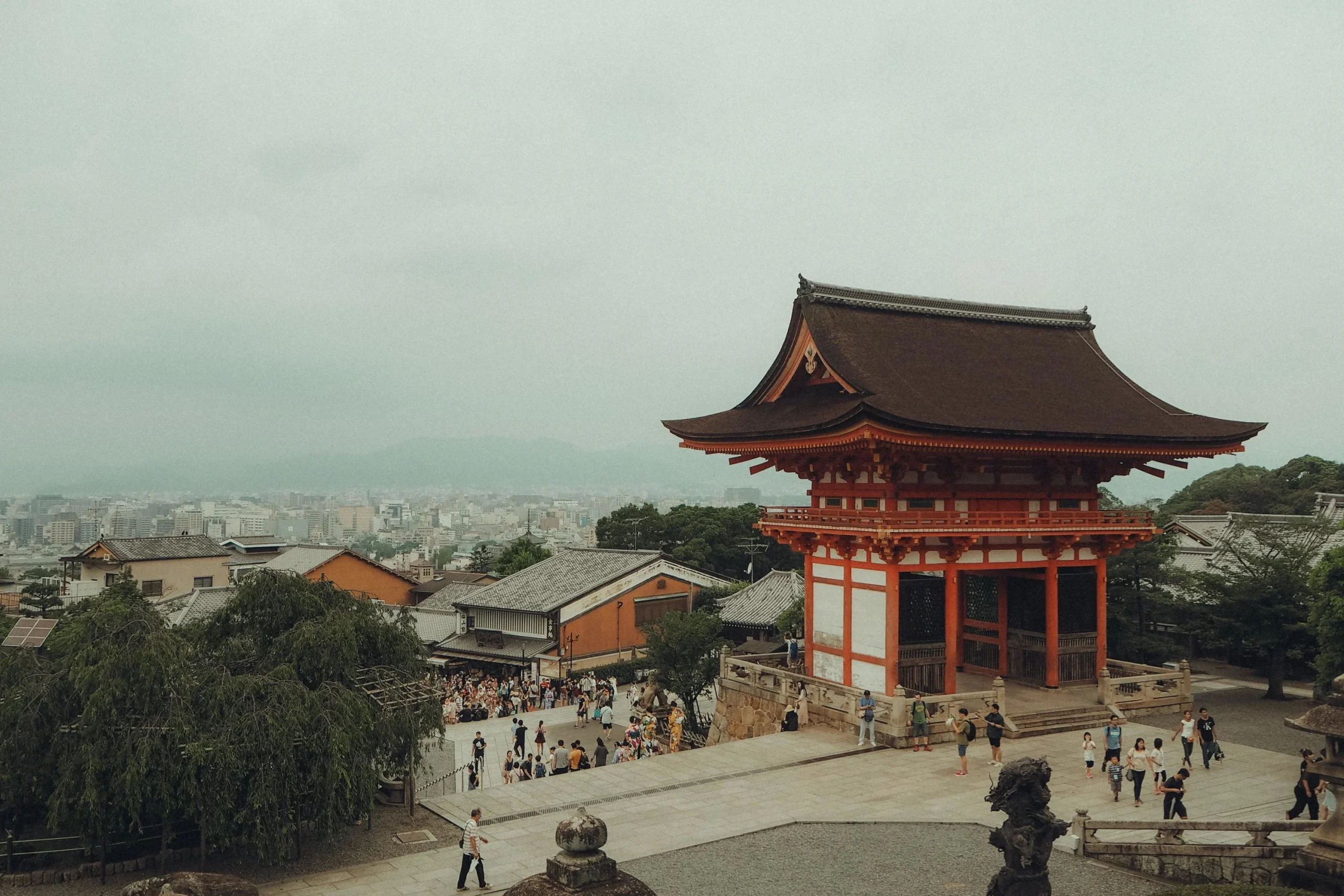
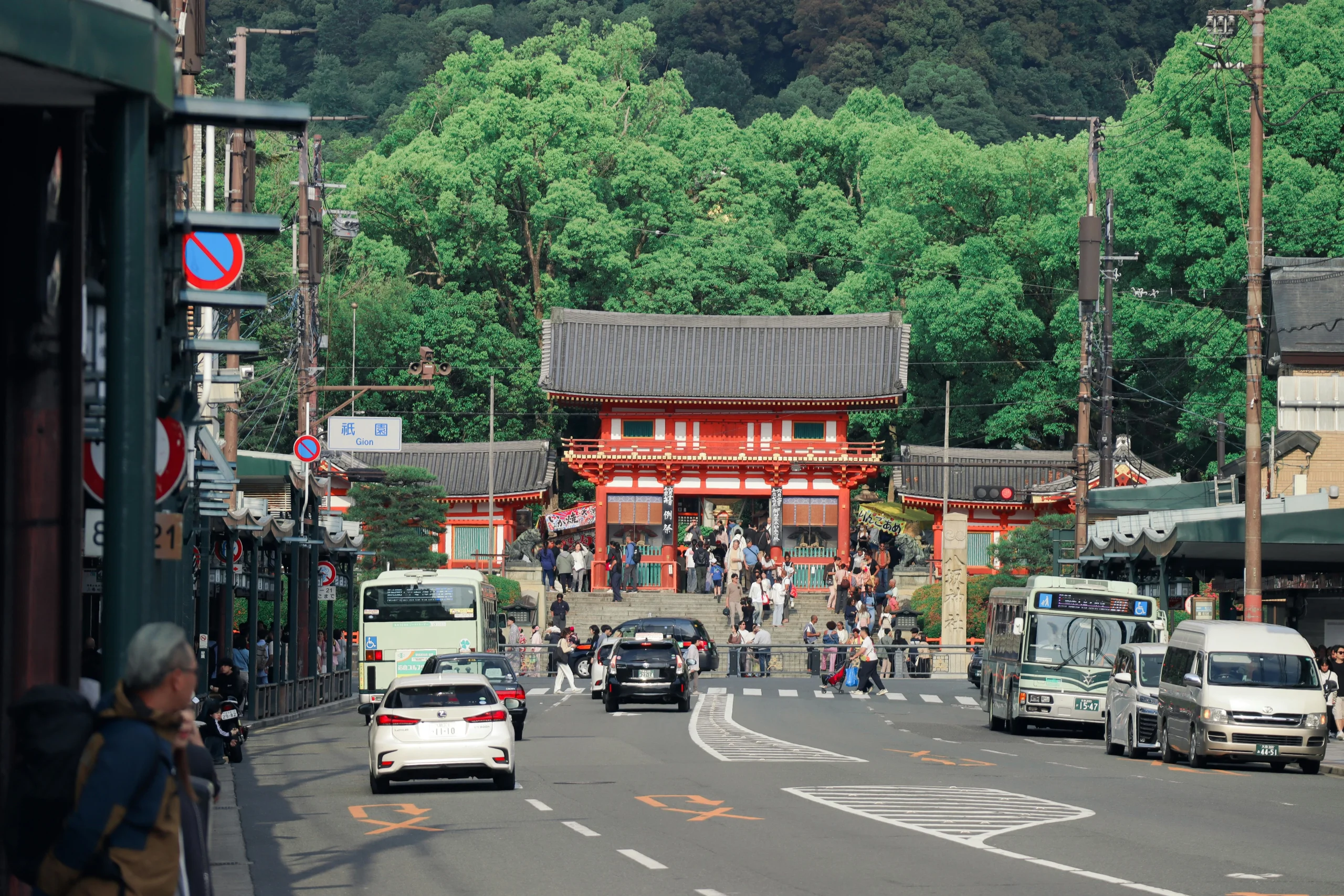
Kyoto travel guide showing a wide city view for first-time visitors

A practical Kyoto travel guide should help first-time visitors understand that the city is best experienced with patience, thoughtful planning, and a realistic pace. Many travelers arrive expecting a quick city break, but Kyoto tends to be more rewarding when the trip is built around exploring districts, using public transport wisely, and allowing time to walk through its historic areas at a slower rhythm.

Travel planners often describe Kyoto as a place where atmosphere matters just as much as well-known landmarks. Temples, gardens, traditional streets, and quieter neighborhoods all shape the experience. Because of this, how the trip is planned can have a big impact on how enjoyable it feels.

Why a Kyoto travel guide should start with districts, not only landmarks

One of the most helpful ways to approach Kyoto is by thinking in terms of districts rather than trying to visit individual landmarks scattered across the city. Moving between too many areas in a single day can quickly make the trip feel rushed and tiring. A more relaxed plan groups nearby spots together and leaves space for walking, resting, and exploring at a comfortable pace.

Kyoto rewards this approach because many memorable moments don’t come only from major attractions. Quiet temple paths, side streets, gardens, and local neighborhoods often leave just as strong an impression as the most famous sites.

Travel advisers often suggest focusing on one main area in the morning and a nearby area later in the day. This keeps travel simple and reduces time spent switching between buses, trains, or routes.

How Kyoto public transport shapes the whole visit

A good Kyoto travel guide also prepares visitors for how much transport affects the overall experience. The city relies on a mix of buses, trains, and subways, and using a combination of these options often makes getting around easier than depending on just one.

First-time visitors usually benefit from checking nearby stations or stops before choosing where to stay. A hotel that looks appealing online can become inconvenient if it requires long or complicated transfers each day.

Transport planning also matters because popular areas can become crowded, especially during peak hours. Starting earlier, choosing trains or subways when possible, and staying flexible with routes can make moving around the city much more comfortable.

Kyoto public transport scene in a Kyoto travel guide for first-time visitors

Credit:  卓浩 虞  / Pexels

What first-time visitors should expect from walking in Kyoto

Walking is a big part of experiencing Kyoto, but it helps to approach it with realistic expectations. Historic districts and temple areas naturally encourage a slower pace. You’ll likely stop often—for views, photos, small details, or short climbs—especially in places where the atmosphere is part of the experience.

Comfortable shoes make a bigger difference than many first-time visitors expect. A day that looks manageable on a map can feel much longer once stairs, crowds, and frequent توقفs are added. Kyoto tends to feel more enjoyable when the schedule allows for that slower rhythm instead of trying to move quickly from place to place.

Travel experts often point out that Kyoto rewards attention. The experience becomes richer when you leave space for small, unplanned moments rather than focusing only on checking off major landmarks.

Why timing matters in a Kyoto travel guide

Timing can shape the entire experience in Kyoto. Starting early in the day often makes popular areas feel calmer and easier to explore. As the day goes on, some districts can become crowded, especially during peak travel seasons.

That’s why many experienced travelers keep their mornings simple and well planned. Focusing on one strong location early in the day often works better than trying to cover multiple distant spots, which can create unnecessary pressure.

Season also plays a role. Weather, daylight hours, and visitor numbers all affect how long it takes to move between places and how comfortable it is to spend extended time outdoors.

How accommodation choice affects visiting Kyoto

Where you stay can influence the entire flow of your trip. A convenient location doesn’t always mean staying in the busiest area. Some travelers prefer easy access to train lines, while others value quieter neighborhoods and more relaxed evenings. The right choice depends on how you plan to move through the city each day.

A helpful way to decide is to think about the return at the end of the day, not just the morning departure. A place that makes it easier to get back and rest can improve the overall experience more than one chosen only for price or appearance.

This is why a well-planned Kyoto travel guide focuses on practical rhythm as much as popular sights. A comfortable base often leads to a smoother and more enjoyable visit overall.

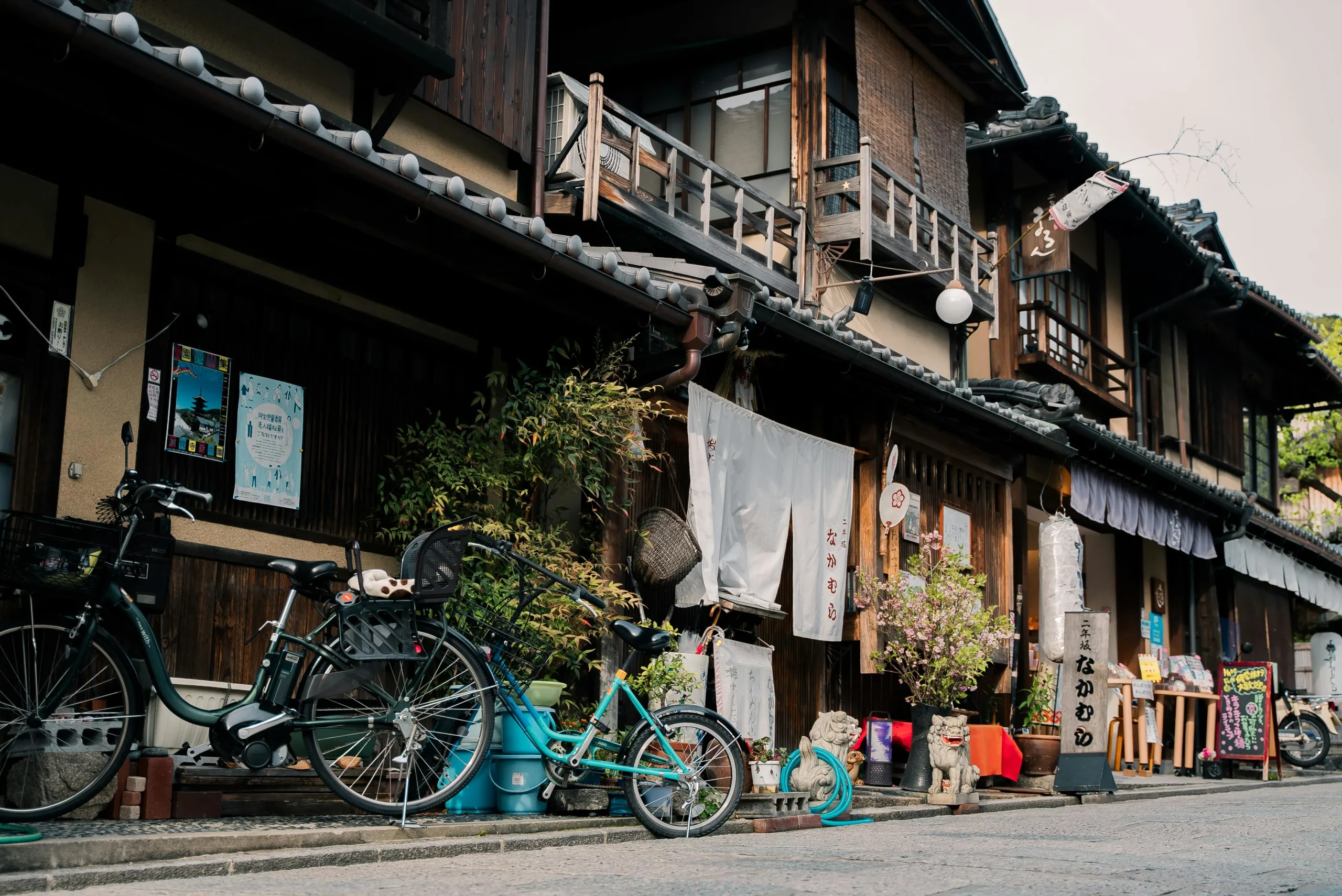
Kyoto travel guide street scene showing a calm traditional district for first-time visitors

Credit:  Satoshi Hirayama  / Pexels

Why responsible travel matters in Kyoto

Kyoto is a place where respectful behavior supports the trip itself. Historic neighborhoods, religious sites, and shared public spaces work best when visitors stay aware of local routines. Quiet observation, patient movement, and respect for signs or photography rules usually help travelers feel more comfortable too.

First-time visitors often do better when they approach the city with flexibility rather than urgency. A destination built around culture and place usually feels more rewarding when explored with care.

How first-time visitors can plan a smoother Kyoto trip

The most effective Kyoto plan is often a simple one. Travelers can choose a few priority places, group them by district, use transport strategically, and leave room for walking breaks and quiet discoveries. Kyoto usually gives more to visitors who slow down than to those who try to cover everything too quickly.

Travel professionals often remind first-time visitors that the goal is not to finish the city. It is to experience it well. A lighter schedule, an earlier start, and a calmer route often create a much stronger first impression than an overloaded checklist.

Frequently Asked Questions

Q: Is Kyoto good for first-time visitors to Japan?
A: Many first-time visitors find Kyoto rewarding because it offers strong cultural atmosphere and clear district-based sightseeing. The trip usually feels easier with realistic daily pacing and basic transport planning.

Q: What matters most in a Kyoto travel guide?
A: District planning, transport choices, walking expectations, and timing are among the most useful basics. These often shape the trip more than a long list of attractions.

Q: Is Kyoto better explored on foot or by transport?
A: Most visitors use both. Walking helps travelers enjoy historic areas, while public transport often makes longer connections easier and less tiring.

Q: How many days are useful for a first Kyoto trip?
A: Many travelers prefer several days so they can explore at a slower pace. Kyoto often feels more rewarding when visitors do not rush from one district to another.

Key Takeaway

A good Kyoto travel guide helps first-time visitors focus on districts, smart transport use, realistic walking plans, and a slower daily pace. Kyoto often feels most rewarding when travelers group nearby places together and leave room for quiet observation. With simpler planning, the city becomes easier to understand and far more enjoyable to explore.

INTERNAL LINKING SUGGESTIONS

  • What First-Time Visitors Should Know About Tokyo Before They Go
  • 8 Travel Etiquette Habits That Help Visitors Avoid Common Mistakes Abroad
  • 8 Carry-On Packing Habits That Help Travelers Move Through Airports More Easily

Comments

Leave a Reply

Your email address will not be published. Required fields are marked *