8 Backup Travel Safety Habits That Help When Plans Go Wrong Abroad
Good backup travel safety habits can make a difficult travel day much easier to manage. Flights get delayed, phones run out of battery, luggage goes missing, and documents can be misplaced. These problems do not happen on every trip, but travelers often handle them better when they prepare simple backups before leaving home.
Official travel guidance strongly supports that approach. Travel.State.gov recommends using an international travel checklist that includes important travel documents, visas, medications, and child-related planning, while CDC guidance says travelers should leave copies of important travel documents with someone at home, make sure someone can reach them in an emergency, and carry emergency contacts with them.
1. Keep copies of important records in more than one place
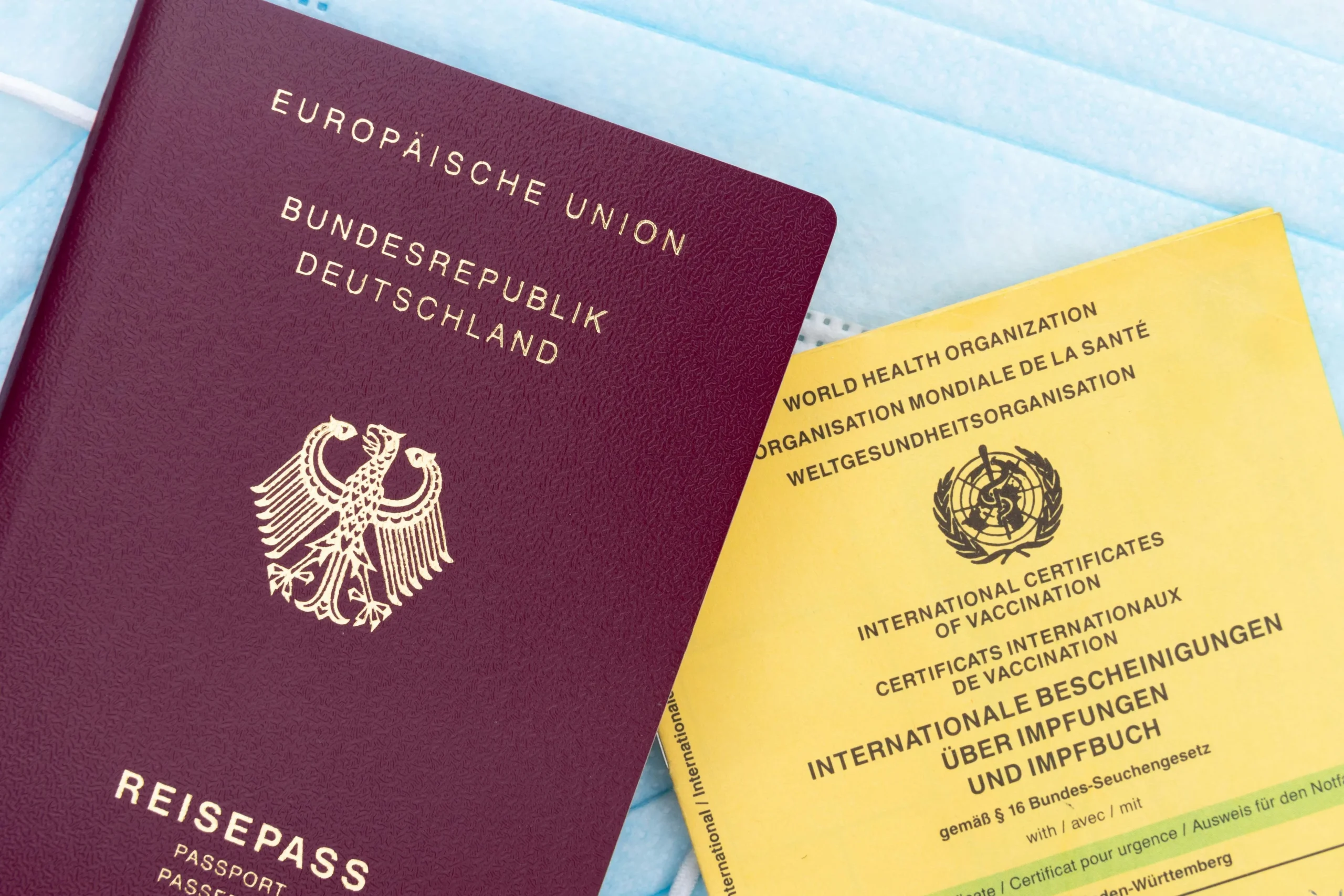
One of the strongest backup travel safety habits is creating copies of the documents that matter most. A passport, itinerary, lodging information, insurance details, and key payment information are much easier to replace or explain when there is a backup available.
CDC’s pre-travel guidance says travelers should leave copies of important travel documents with someone at home in case they lose them during travel. Its packing guidance also lists copies of passports, travel documents, lodging information, and prescriptions as useful items to carry.
This does not need to be complicated. One digital backup and one printed backup often give travelers far more flexibility than relying on a single original document.
2. Make sure someone knows the broad plan
Many travel problems feel worse when nobody else knows where the traveler is supposed to be. A simple shared plan can help if communication becomes difficult or if an emergency interrupts the trip.
CDC says travelers should make sure someone at home knows how to reach them in an emergency and should carry emergency contacts with them at all times. These are simple steps, but they make a real difference when a traveler needs quick help or clear communication.
A shared plan does not need every detail. Basic flight information, hotel name, travel dates, and one or two major destination notes are often enough.
Credit: Markus Winkler / pexels
3. Treat medication as a priority item, not an afterthought
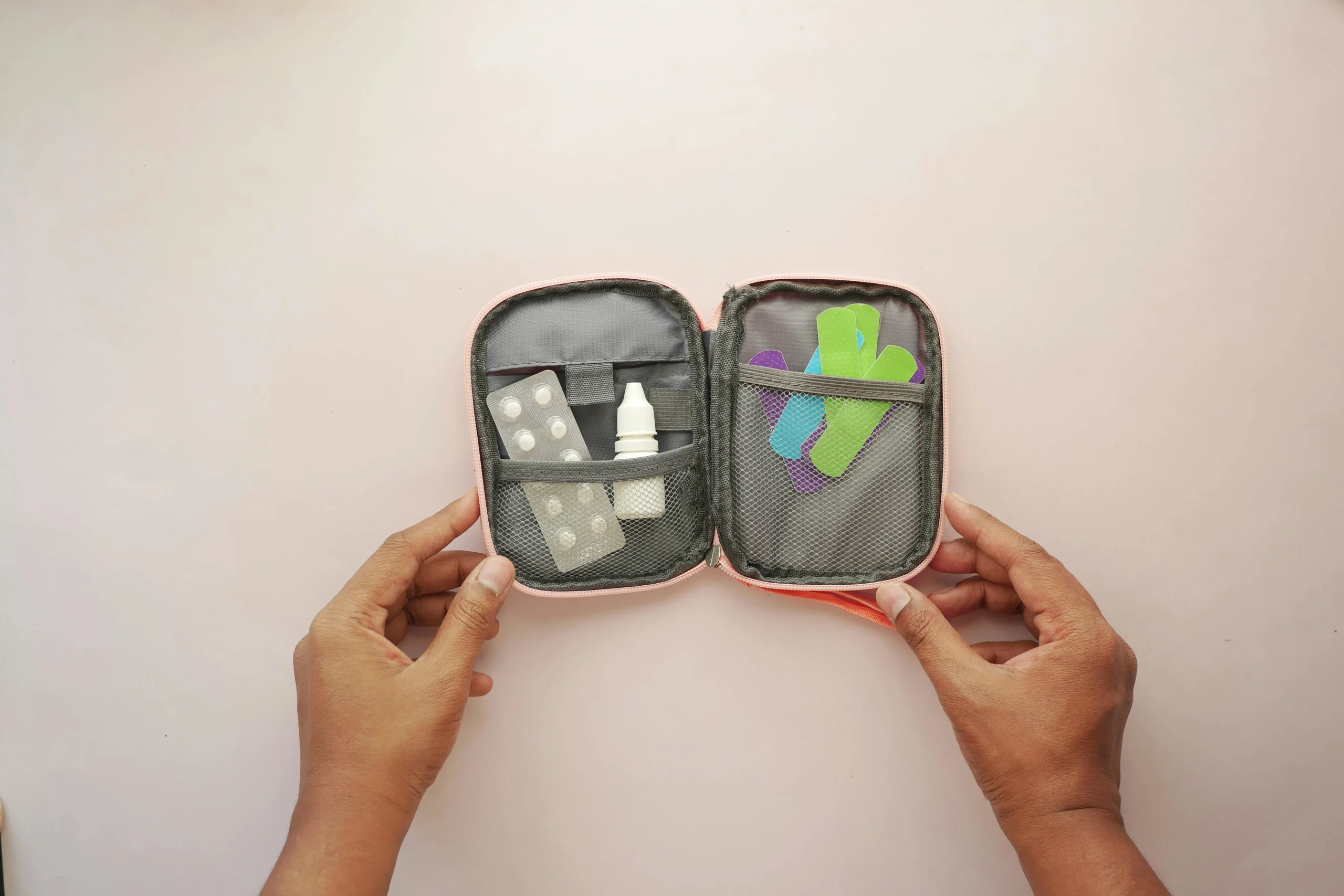
Medication planning is one of the most practical travel safety habits because it becomes very important very quickly when something goes wrong. Delayed luggage, missing bags, or trouble finding the same medicine abroad can create problems that are harder to fix than a forgotten charger or shirt.
Travel.State.gov’s checklist includes medications as a core part of travel planning. CDC packing guidance also recommends bringing copies of prescriptions and health information for use during the trip.
Travelers often do best when medicine stays in carry-on baggage, along with prescription details and any other health items that would be difficult to replace quickly.
4. Know where official help is available
A traveler usually does not need embassy or consulate help abroad, but knowing where official support exists can reduce panic if a serious problem happens. Lost passports, crime-related issues, and travel document emergencies are easier to manage when travelers know where to turn.
Travel.State.gov says U.S. embassies and consulates provide assistance during emergencies abroad, including lost passports, support for crime victims, and crisis help. It also says a lost or stolen passport abroad must be replaced before returning to the United States and that travelers should contact the nearest U.S. embassy or consulate for help.
That is why a simple emergency note with embassy details, local lodging information, and a few phone numbers can be useful before the trip begins.
5. Use a checklist before travel day, not during it
Travel stress often comes from trying to remember too much at the last minute. A checklist reduces that pressure because it turns travel preparation into a repeatable system.
Travel.State.gov’s International Travel Checklist highlights items such as a valid passport, visa needs, medications, and traveling with children. Its broader planning pages also direct travelers to use that checklist and practical guidance before going abroad.
For many travelers, the best checklist is short and realistic. It covers documents, payments, medicine, contacts, transport, and the first move after arrival.
6. Pack contact details that do not depend on your phone
Phones are useful for navigation and bookings, but they are not perfect backups. Batteries die, connections fail, and devices can be lost. That is why one of the best backup habits is carrying a written version of the details that matter most.
CDC guidance says travelers should carry emergency contacts with them at all times, and its packing advice includes contact cards with family or close-contact information, lodging details, and health-related contact information.
A paper card with hotel address, emergency contacts, and important numbers takes very little space but can be extremely useful during a disrupted travel day.
Credit: Towfiqu barbhuiya / Pexels
7. Prepare for passport loss before it happens
Passport loss is one of the problems travelers worry about most, and official guidance makes clear that preparation matters. A lost passport can interrupt the whole trip, especially if the traveler has no backup information to prove identity or support a replacement request.
Travel.State.gov says that if a traveler loses a passport abroad, they need a new one before returning to the United States. The same guidance says travelers should report the passport lost or stolen and contact the nearest embassy or consulate, and notes that identification, proof of citizenship, and travel itinerary can help in the replacement process.
That makes copies and basic recordkeeping far more than administrative details. They are part of safe international travel planning.
8. Think in backups, not only in plans
One of the strongest travel habits is shifting from a single-plan mindset to a backup mindset. Good travel preparation is not only about what should happen. It is also about what the traveler will do if one small part of the trip changes unexpectedly.
Travel.State.gov’s broader travel guidance and planning pages emphasize practical preparation, safety basics, and travel tools before a trip. Combined with CDC’s emergency-preparation advice, that guidance supports a simple message: travelers usually feel safer when they build small backups into the trip before anything goes wrong. :contentReference[oaicite:8]{index=8}
That may mean a second payment method, printed lodging details, a paper contact card, or a clearer first-day transport plan. Small backups often solve the most common travel problems quickly.
Frequently Asked Questions
Q: What are the most useful backup travel safety habits?
A: The most useful backup travel safety habits include keeping copies of documents, carrying emergency contacts, planning for medicine needs, and sharing the broad trip plan with someone at home.
Q: Should travelers leave copies of travel documents at home?
A: Yes. CDC guidance says travelers should leave copies of important travel documents with someone at home in case they lose them during travel. :contentReference[oaicite:9]{index=9}
Q: What help is available if a passport is lost abroad?
A: Travel.State.gov says travelers should contact the nearest U.S. embassy or consulate, which can help with passport replacement and emergency support abroad. :contentReference[oaicite:10]{index=10}
Q: Why should emergency contacts be written down and not only stored on a phone?
A: CDC guidance says travelers should carry emergency contacts with them at all times. A written version remains useful if a phone battery dies or the device is lost. :contentReference[oaicite:11]{index=11}
Key Takeaway
Strong backup travel safety habits help travelers stay calmer when plans change abroad. Copies of documents, written emergency contacts, medication planning, and basic official support details can make common travel problems much easier to manage. Good travel preparation is not only about the ideal plan, but also about the backup plan that supports it.
INTERNAL LINKING SUGGESTIONS
- 8 Travel Safety Checks to Make Before an International Trip
- 8 Carry-On Packing Habits That Help Travelers Move Through Airports More Easily
- 8 Solo Travel Habits That Help Travelers Stay Calm and Organized











Post Comment