When you’re figuring out a family vacation, the most important thing to remember is to make the days’ plans work for everyone in the family, not forcing your family to work for the plans. So many trips are a headache because moms and dads attempt to fit a lot into a short amount of time. A family will almost certainly have a nicer time if things move at a sensible speed and your itinerary has space for rests, food, and anything that might hold you up.
Those who really know about family travel say that kids do best with a routine, a sort of steady beat to the day, rather than a huge pile of things to do. And parents? They will likely enjoy themselves a lot more if they concentrate on a small number of things that are special to them, instead of attempting to see absolutely everything a place has to offer.
Why how to plan a family trip starts with realistic expectations
Families all travel at their own pace. Some kids are fine with lots of looking around all day, but others require breaks, food, and a little peace and quiet. Mum and Dad usually find things go smoother if they create the holiday around what the youngest child can manage, and don’t try to do what adults would do.
Really thinking about how much energy everyone has is a very good part of planning a family holiday. Somewhere might have loads to do, but you don’t have to cram it all in on one trip. Experts in how children grow say that smaller children can get overloaded by lengthy queues, staying up late, and being on the go all the time.
A good way to go is to pick a main thing and something more relaxed for each day. This gives the holiday a framework, but doesn’t turn it into a draining experience.
How to choose the right destination for family vacation planning
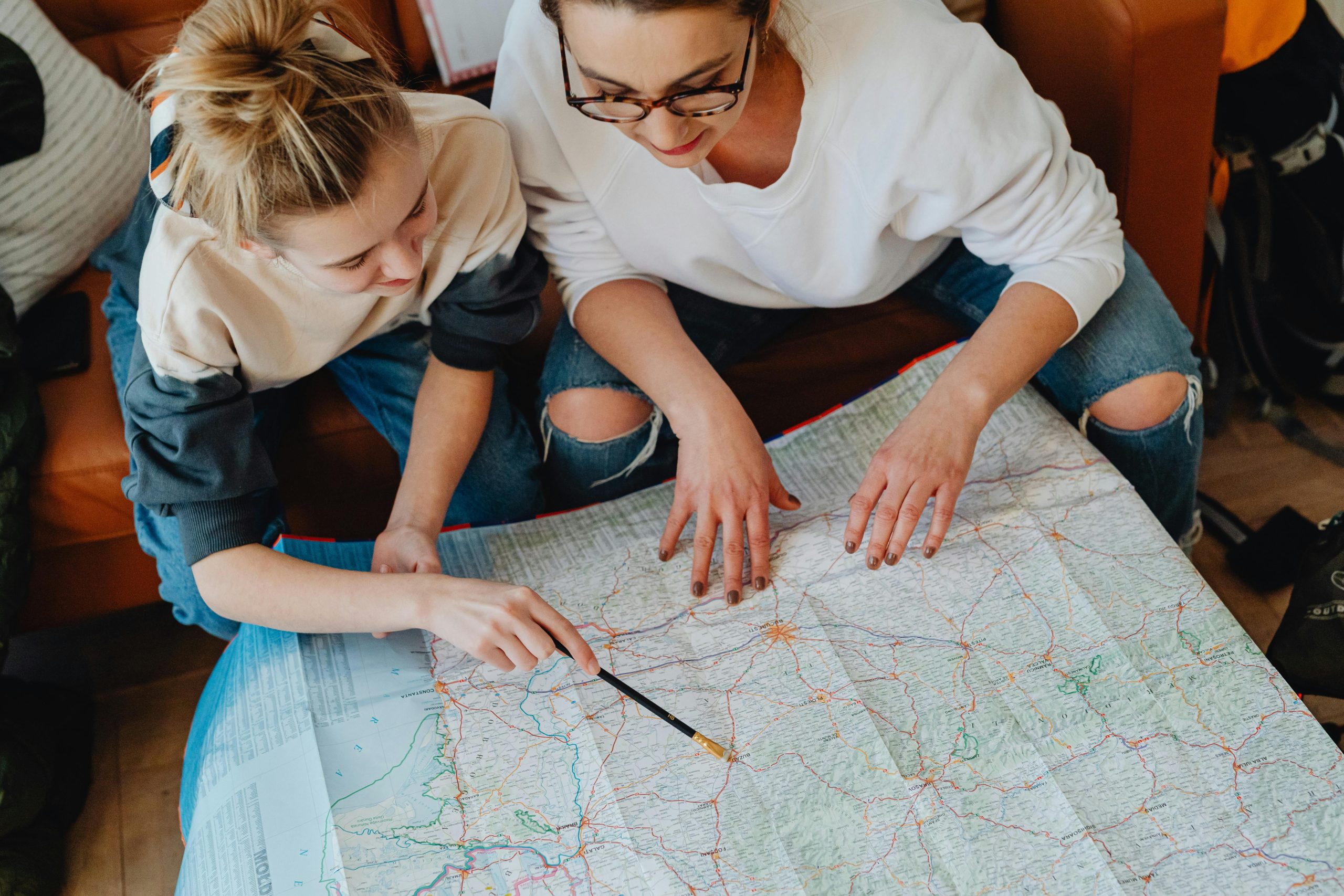
Some places naturally work better for family travel than others. A family-friendly destination often offers simple transport, easy food options, safe walking areas, and activities for different age groups. Parents may also find it helpful to think about distance before choosing a location.
Travel advisers often suggest matching the trip length to the effort required. A very long journey for a very short stay can be tiring for children and adults alike. In many cases, a nearby destination with smoother logistics may be a better family travel choice than a more ambitious location.
Accommodation matters too. A hotel or rental that looks attractive online may not be practical if it is far from transport, food, or quiet evening routines. Family vacation planning usually becomes easier when daily needs are close at hand.
Credit: www.kaboompics.com / Pexels
How to build a daily schedule that works for traveling with kids
When you’re going places with children, it’s generally a good idea to have a fairly easy routine each day. You’ll probably find that you can do more substantial things in the morning when everyone has more energy. Then you can use the afternoons for quieter pastimes, a rest, or just being able to do whatever comes up. Doing things in that order frequently stops meltdowns as the day goes on.
Advice for families on trips is often about getting from one place to another. Moms and dads might remember the fun of the place you’re going to, but overlook the time you’ll spend eating, going to the bathroom, buying tickets, getting there, and standing around. These little holdups happen on family vacations and you should expect to include them in your schedule.
And try not to schedule something for absolutely every moment. Having free periods allows your family to be more relaxed, adapt to if the weather changes, or cope with someone being tired, without ruining the entire day.
Why packing is a major part of how to plan a family trip
When you’re getting ready for a family trip, it’s about more than just the clothes everyone will wear. Thinking about everyday comfort is important too. Snacks, a water bottle you can fill up, wipes, phone/tablet chargers, any medicines needed, all the travel documents, plus a little something to remind each person of home can really help on long journeys.
Lots of people who plan trips suggest packing for each person separately, and breaking things down by what they’re for. So you could have a section for clothes to wear each day, another for things to do with looking after everyone, and a final section for the stuff you will absolutely need to get at easily whilst travelling. With this, you’re generally able to get something to a child much faster at the airport, on a train or when stopping in the car.
Mums and dads are often grateful for having a spare set of clothes for each younger child within easy reach.
How meals, rest, and timing affect family travel tips
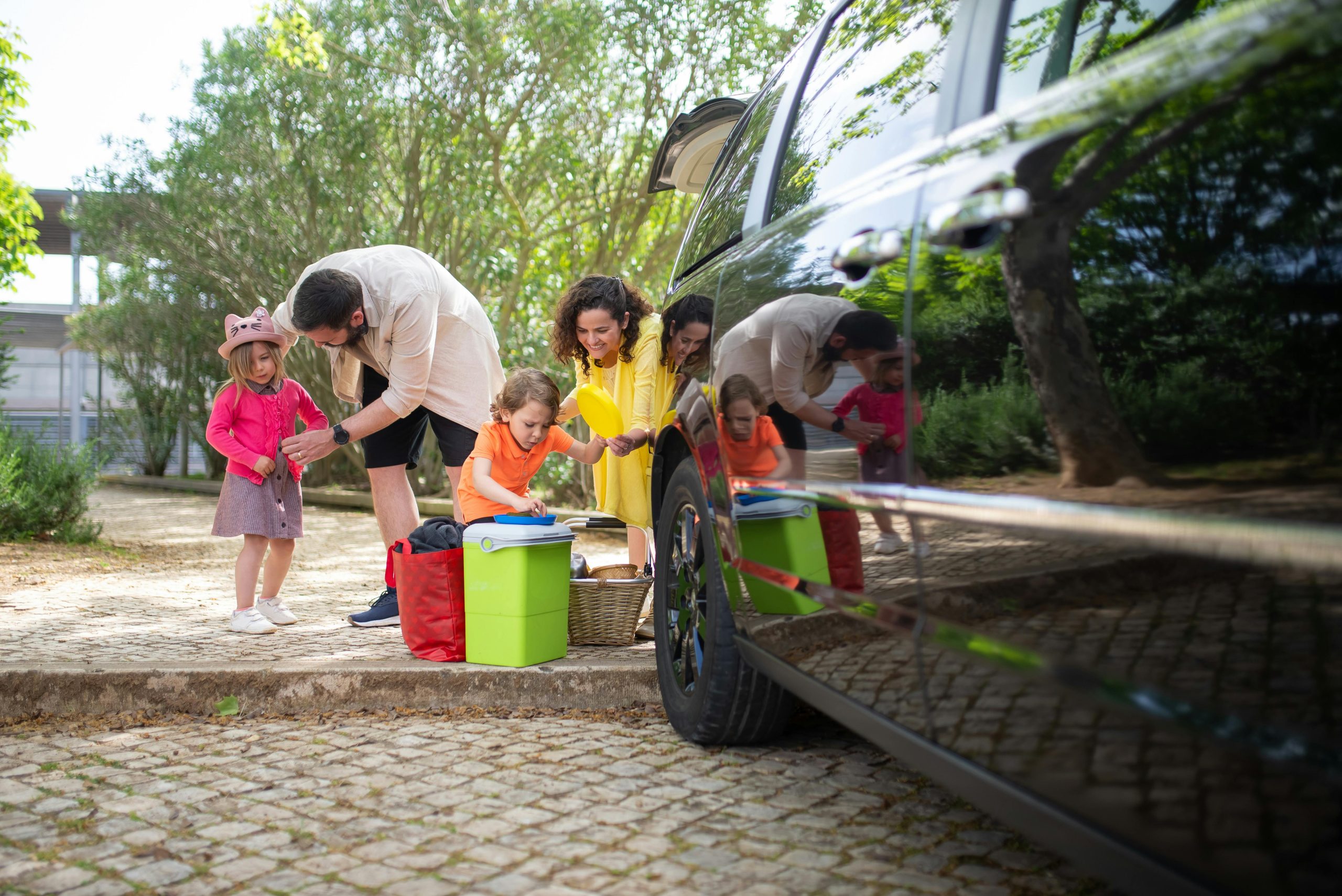
What you eat (or don’t eat!) really sets the tone for how the trip goes. Kids who are hungry get tired and grumpy, and this happens fast, particularly if you’re doing a lot of looking around. Travel experts with families generally say to have easy snacks with you and to plan when you’ll eat during the day; don’t just assume you’ll happen upon food when you need it.
And don’t underestimate the importance of resting. Even bigger kids might need to slow down after a lot of activity in the morning. While you don’t have to go back to the hotel every single day, most families enjoy a peaceful pause in a park, at a cafe, or in a relaxed public place.
Plus, it’s best to avoid being out really late. A packed day, a late dinner and then getting up very early the next day will likely make everything harder for everyone.
Credit: Kampus Production / Pexels
Common mistakes families make when planning trips
One common mistake is trying to turn the trip into a perfect checklist. That often leads to rushed movement from one place to another. Families usually remember how the trip felt more than how many attractions they completed.
Another mistake is choosing plans made mainly for adults. Travel researchers often note that a family trip works better when children have a few moments designed for their interests too, even if those moments are simple.
A third mistake is ignoring recovery time after arrival. Long flights, road trips, or transport changes can affect everyone’s patience. Families often do better when the first day stays light and manageable.
How to plan a family trip that feels enjoyable for everyone
Generally, the best way to plan a family trip is to keep it uncomplicated. Moms and dads can pick a place you won’t feel rushed at, go at a relaxed speed, and be prepared to do things differently than planned. A trip doesn’t have to be flawless to be important and special.
What travel experts are always saying to parents is that the things you do together as usual are important. A peaceful breakfast, something fun to do, a period of rest, and an evening that can be altered to suit the moment will likely be what you remember most, and certainly more than a schedule packed with tons of things. Family vacations are at their best when they focus on being comfortable, exploring what you find interesting, and being with each other.
Frequently Asked Questions
Q: What is the first step in how to plan a family trip?
A: The first step is setting realistic expectations about energy, timing, and budget. A family trip becomes easier when the plan matches the family’s real pace.
Q: How many activities should families plan each day?
A: Many families do well with one major activity and one lighter activity. This leaves time for meals, transport, and rest without making the day feel rushed.
Q: What are the most useful family travel tips for parents?
A: Smart packing, flexible timing, regular snacks, and a simple daily routine are among the most useful family travel tips. These habits help reduce common stress points.
Q: Why does traveling with kids require a slower schedule?
A: Children often need more breaks, predictable meals, and easier transitions. A slower schedule helps the whole family stay calmer and enjoy the trip more.
Key Takeaway
Understanding how to plan a family trip means choosing a realistic pace, building simple daily routines, and leaving room for rest. Parents often get better results when they focus on comfort, timing, and a few meaningful activities instead of a crowded schedule. A well-paced family trip usually feels calmer, smoother, and more enjoyable for everyone.
INTERNAL LINKING SUGGESTIONS
- How to Pack for a Trip Without Forgetting the Essentials
- Budget Travel Tips That Can Lower Family Trip Costs
- Travel Safety Tips That Help Families Avoid Common Problems
Leave a Reply