8 Family Trip Planning Habits That Help Travel Days Feel Less Stressful
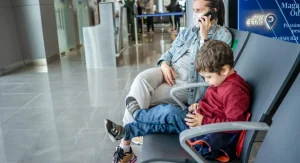
 Credit: Atlantic Ambience / Pexels
3. Pack children’s medicine and health items as priority items
Health planning often matters more with children because small travel disruptions can feel bigger when a child is uncomfortable or needs a familiar medicine quickly. Families usually do better when medicines and basic health items stay easy to reach.
CDC guidance says families should bring a travel health kit with items appropriate for their activities, and its family travel pages stress that children can face health risks during travel and may have more serious consequences from illness or injury.
That is why medicine should usually be treated as a core travel item rather than a last-minute extra. Parents often feel more prepared when those items are packed first, not last.
4. Treat road safety as part of family travel planning
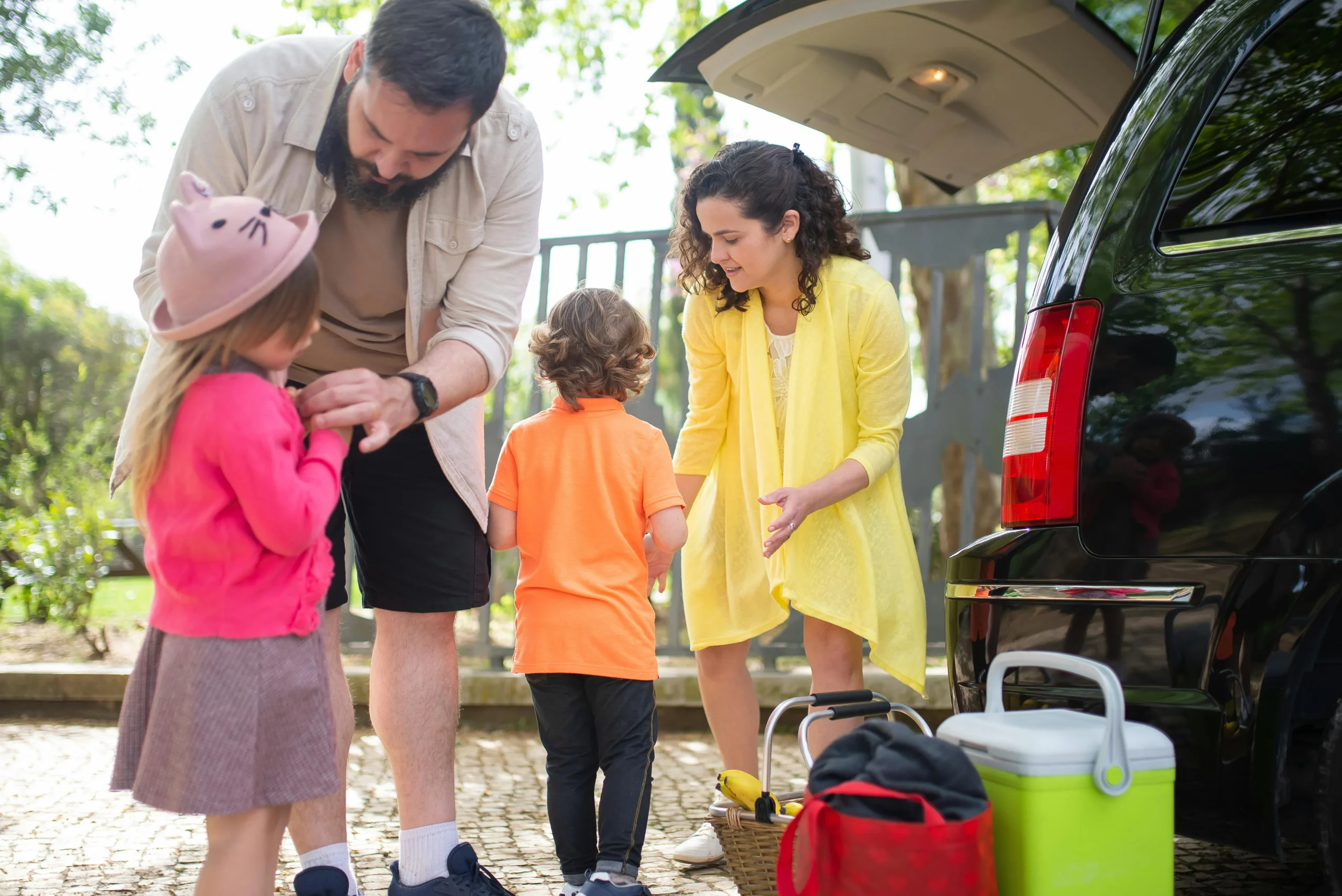
Many family trips involve more than flights. Taxi rides, rental cars, and road transfers may be just as important to child safety as the airport itself. Parents sometimes think about these details only after arrival, when choices are more limited.
CDC guidance says travelers should always use seat belts and child safety seats, and should bring car seats or booster seats from home unless they are sure those items will be available and suitable at the destination.
That makes road safety one of the most practical family travel preparation habits. A trip often feels smoother when parents already know how a child will travel safely after landing.
5. Build backups for documents and contacts
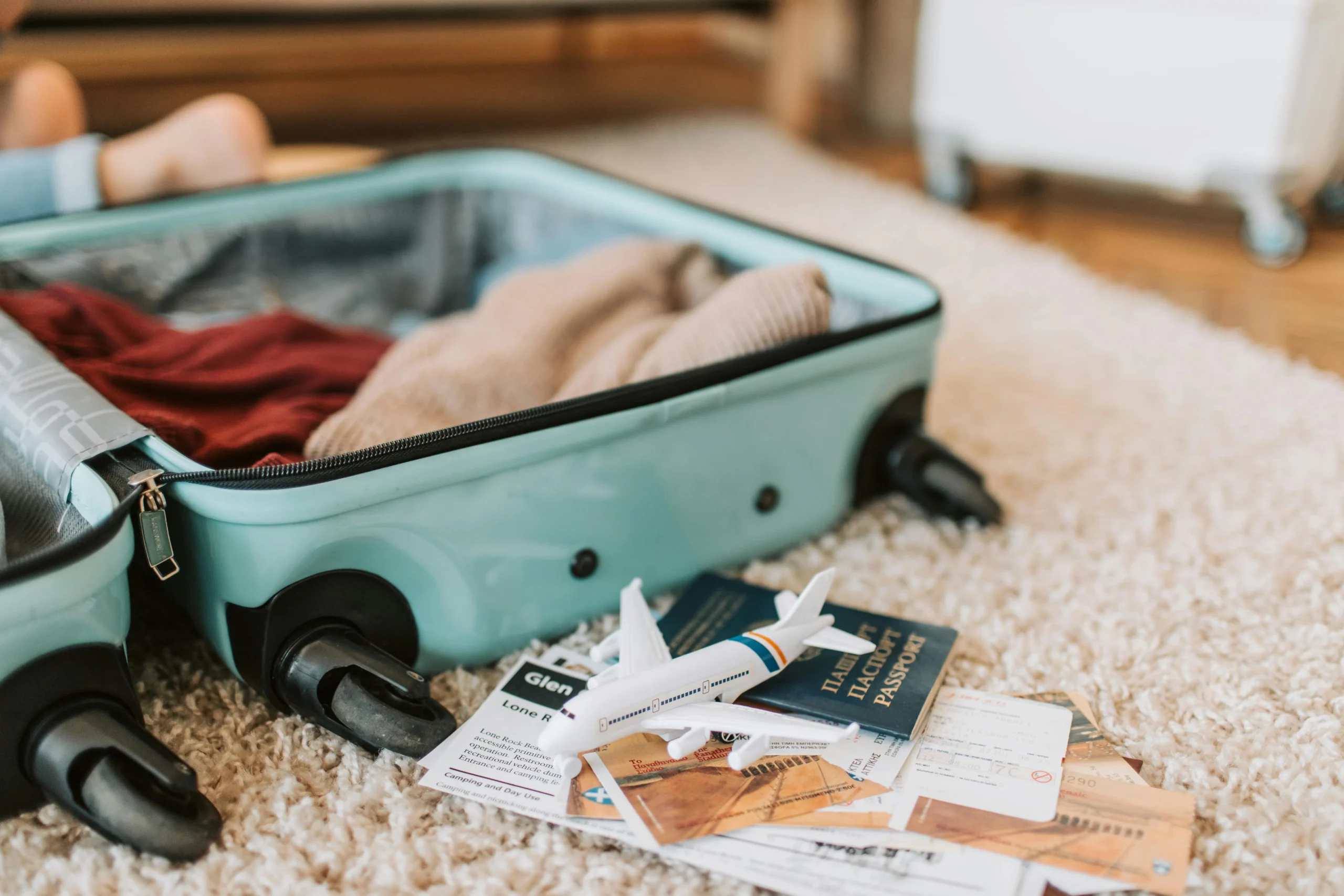
Families often travel with more paperwork than solo travelers or couples. Passports, booking confirmations, health details, and permission documents can all matter during the same journey. Losing access to those details can turn a small problem into a larger one.
CDC says travelers should leave copies of important travel documents with someone at home and carry emergency contacts with them at all times.
For families, this backup system is especially useful because children’s travel often depends on adults being able to prove identity, explain plans, or contact the right person quickly.
6. Match the schedule to the child, not only to the destination
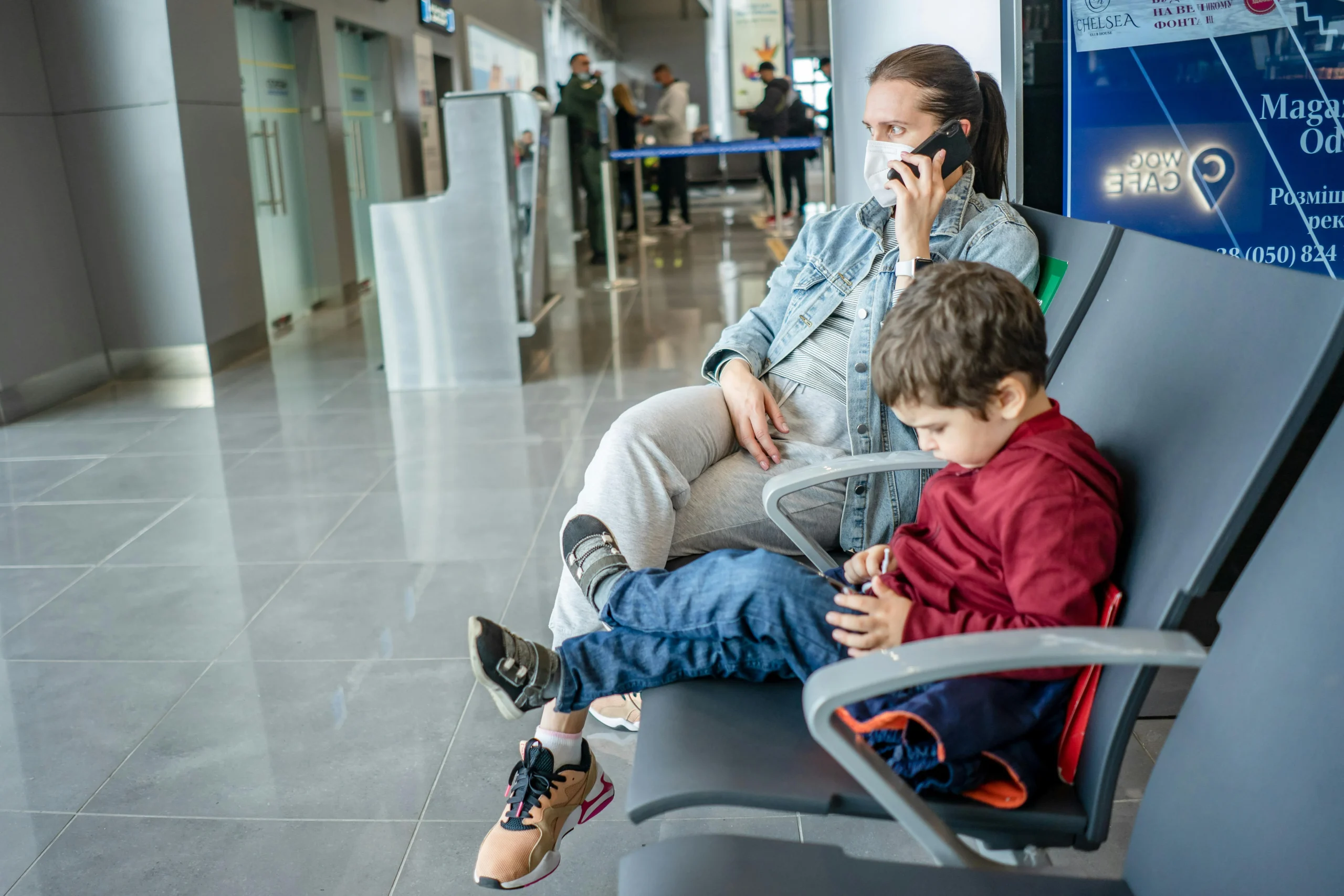
One of the strongest family trip planning habits is building the day around the family’s actual energy level. A destination may offer many things to do, but children usually handle travel better when meals, rest, and transition time are treated as part of the plan.
CDC’s family-travel guidance explains that children may face travel risks differently and that preparation should account for their needs. That same logic applies to pacing. A calmer family schedule often supports better decisions, fewer rushed moments, and a smoother overall trip.
Parents do not need to remove all activity from the day. They often do better by leaving more room between activities than they first expect.
 Credit: Kampus Production / Pexels
7. Review child-specific passport and approval rules
Child passport requirements can be more detailed than many parents expect. It is not always just a standard application. In some cases, families must show proof of relationship, and both parents or guardians may need to be involved in the approval process.
The U.S. Department of State explains that for children under 16, both parents or guardians are generally required to give consent and appear with the child when applying, unless a valid exception applies. Supporting documents may also be needed to confirm the parent–child relationship.
Even if the passport has already been issued, understanding these rules helps families treat child travel paperwork with the right level of attention. It reduces the chance of surprises and makes future travel planning smoother.
8. Keep the first day simpler than expected
One of the most overlooked family travel habits is protecting the first day from too much activity. After a long journey, even enthusiastic children may feel tired, overstimulated, or less patient than usual.
A lighter arrival day usually works better than trying to fit in full sightseeing immediately. A calm check-in, a simple meal, and time to rest or explore nearby often lead to a smoother start than rushing into a packed schedule.
That one decision often shapes the tone of the entire trip. When the first day feels manageable, families tend to settle in faster and enjoy the rest of the journey more.
Frequently Asked Questions
Q: What are the most useful family trip planning habits?
A: The most useful family trip planning habits include checking child documents early, planning arrival transport, packing medicine as a priority, and leaving more room in the schedule for breaks.
Q: Can one parent need a notarized letter to travel with a child?
A: Yes. Travel.State.gov says some countries require a signed and notarized letter from the other parent, and this can apply even when one parent is traveling with the child.
Q: Should families bring a travel health kit?
A: CDC guidance says families should bring a travel health kit with items appropriate for their activities and destination.
Q: Why does road safety matter in family travel planning?
A: CDC guidance says travelers should use seat belts and child safety seats, and should bring car seats or booster seats from home unless they are sure suitable ones will be available at the destination.
Key Takeaway
Strong family trip planning habits help parents reduce stress by solving practical problems before the journey begins. Early document checks, medicine planning, safer transport decisions, and a lighter first-day schedule often make traveling with children feel more manageable. Family trips usually go better when preparation is simple, clear, and done ahead of time.
INTERNAL LINKING SUGGESTIONS
- 8 Family Travel Checks Parents Should Make Before Leaving Home
- 8 Carry-On Packing Habits That Help Travelers Move Through Airports More Easily
- 8 Backup Travel Safety Habits That Help When Plans Go Wrong Abroad











Post Comment