
8 Family Travel Checks Parents Should Make Before Leaving Home

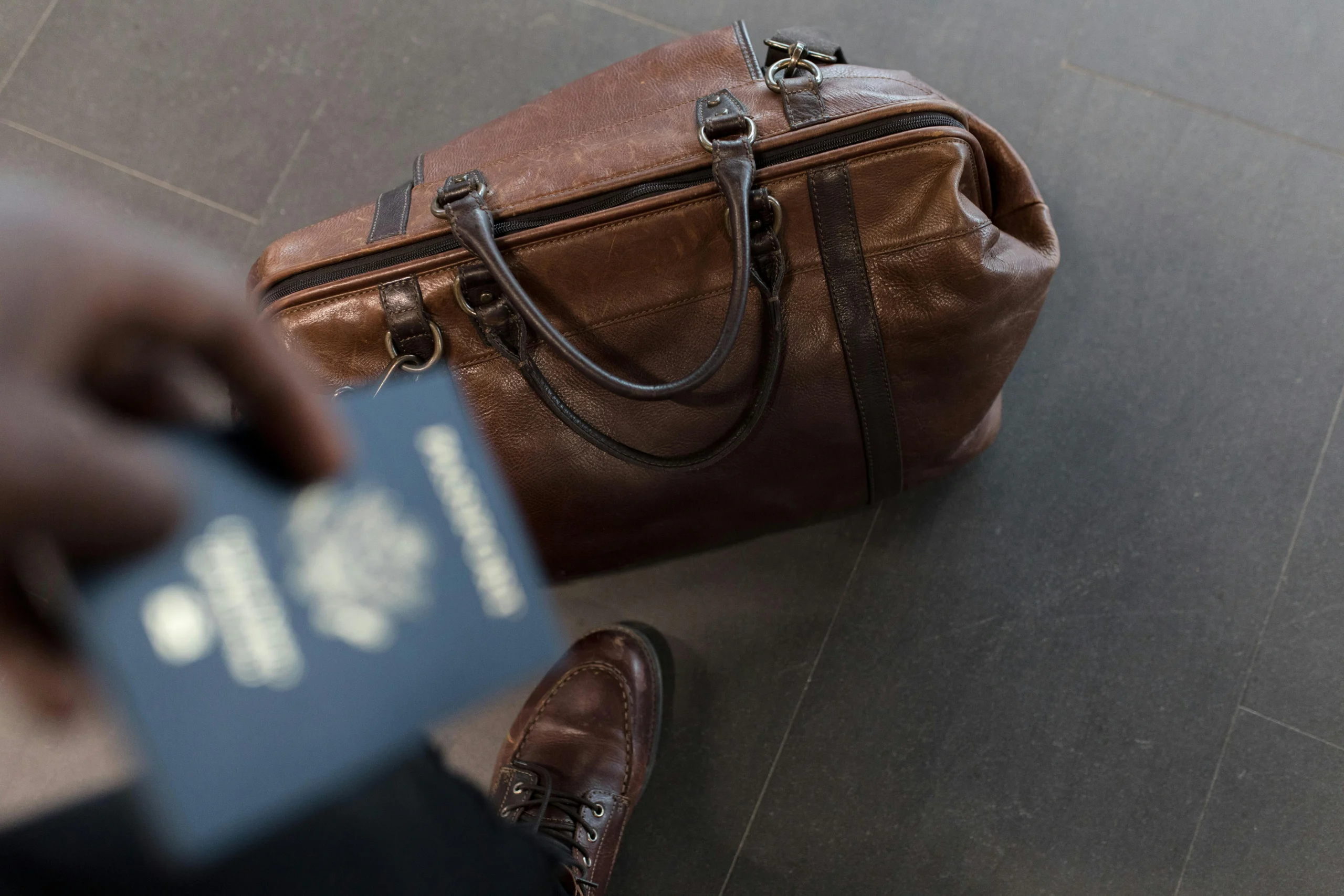
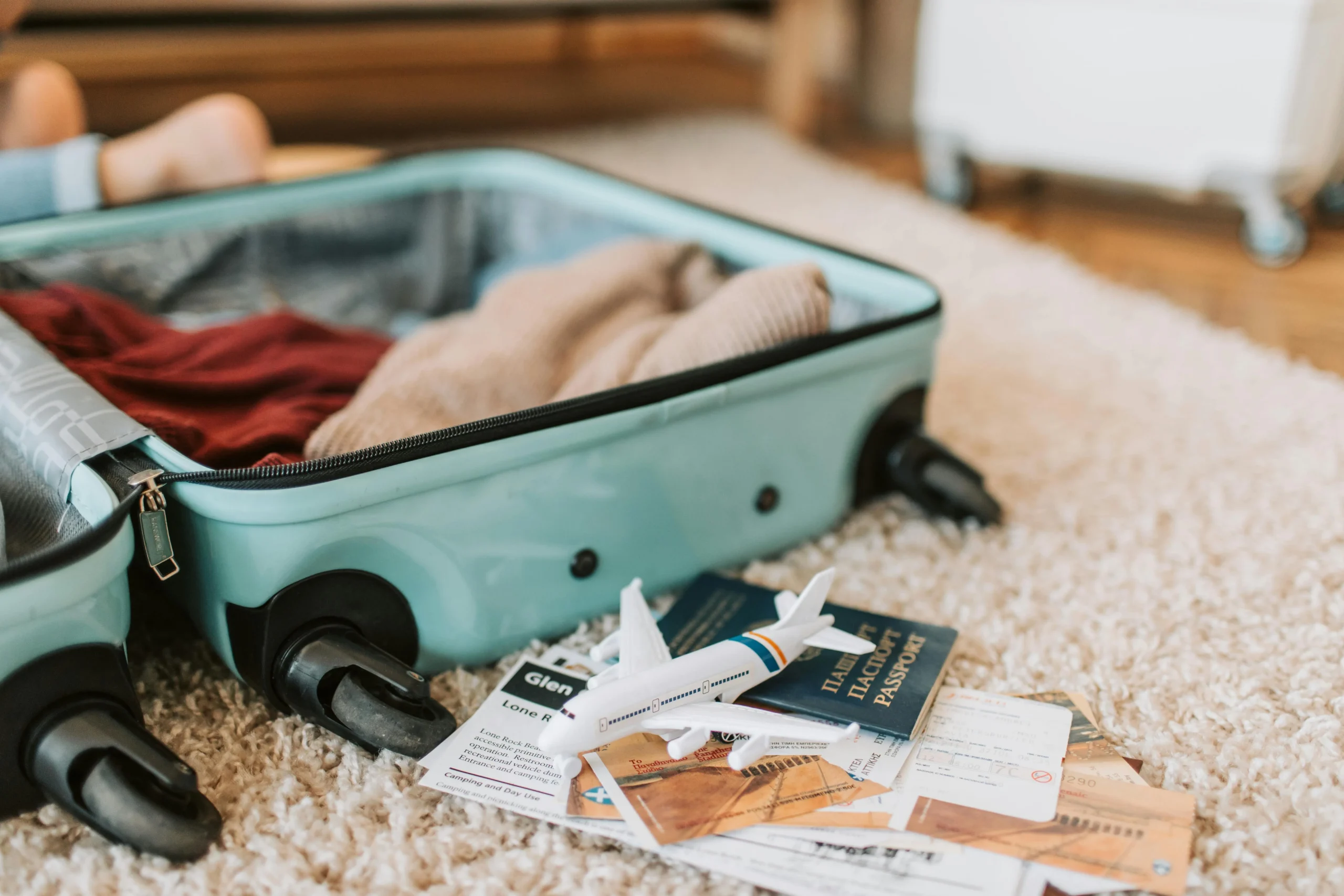
family travel checks with parents preparing passports tickets and bags before traveling with children

Useful family travel checks can make trips with children feel calmer even before the journey begins. Many parents focus first on flights, hotels, and packing, but smoother family travel usually comes from handling a few practical basics early. Documents, medicines, transport plans, and simple routines often matter more than trying to plan every detail of the day.

Official guidance supports this approach. U.S. Department of State advises families to review destination-specific entry and exit rules for children, since some countries require additional documents for minors, including notarized permission letters when only one parent is traveling. Centers for Disease Control and Prevention also recommends carrying emergency contacts, leaving copies of important documents with someone at home, and preparing a basic travel health kit before departure.

1. Check Child Travel Documents Before Anything Else

One of the most important family travel checks is confirming that every child has the correct documents. It’s easy to assume children follow the same rules as adults, but international travel often includes different requirements for minors.

The U.S. Department of State notes that some destinations may require custody documents or a notarized letter of permission from a non-traveling parent. These requirements can apply even when one parent is traveling with the child.

For this reason, document checks should happen well in advance—not the day before departure. Families usually feel more confident when passports, consent letters (if needed), and travel bookings are all confirmed early.

2. Confirm the First Transport Step After Arrival

Traveling with children often feels most challenging during the first hour after arrival. Fatigue, crowds, unfamiliar surroundings, and luggage can make simple decisions feel overwhelming. That’s why family trip planning works best when the first step is already clear.

A helpful check is deciding how to get from the airport or station to the hotel, how long it will take, and what the backup plan is if something changes. This one decision can set the tone for the entire day.

Parents don’t need to plan every detail in advance, but knowing the first move ahead of time can make arrival feel much more manageable.

family travel checks with a parent reviewing child travel documents before departure
Credit: [ Kampus Production / pexels ]

3. Pack Medicine and Health Items With Children in Mind

Health planning becomes more important when traveling with children. A missed medicine, a forgotten comfort item, or a delayed checked bag can quickly turn into unnecessary stress.

Guidance from the Centers for Disease Control and Prevention recommends preparing a travel health kit based on the child’s needs and the type of trip. The same guidance suggests carrying emergency contacts and leaving copies of important documents with someone at home, so families are better prepared if something unexpected happens.

In practice, parents often find it helpful to keep essential health items in a carry-on or easy-to-reach bag instead of placing everything in checked luggage.

4. Review Food, Water, and Hand Hygiene Plans

It’s easy to focus on the destination and overlook daily routines, but children are often more sensitive than adults to changes in food, hydration, and hygiene.

According to the Centers for Disease Control and Prevention, families should follow safe food and water practices and encourage frequent handwashing to reduce the risk of illness while traveling.

This makes it one of the most practical family travel checks. Packing familiar snacks where appropriate, planning for water refills, and carrying simple hand-cleaning supplies can help prevent small problems from becoming bigger ones.

5. Check Road Safety Plans Before the Trip Starts

Ground transport is a key part of family travel, especially after arrival. A child who manages a flight well may still need proper safety arrangements in cars, taxis, or transfers.

The Centers for Disease Control and Prevention advises that children should always use seat belts or appropriate car and booster seats, and that parents should review car seat requirements for their destination. It also notes that children are safest when seated in the back.

This means transport planning should go beyond simply booking a ride. Families benefit from thinking ahead about how children will be seated safely throughout the trip.

6. Build Copies and Emergency Contacts Into the Plan

Families often travel with more documents than solo travelers or couples—passports, medical details, school information, consent letters, and booking confirmations. Losing access to these can make an already stressful situation more difficult.

The Centers for Disease Control and Prevention recommends leaving copies of important documents with someone at home, carrying emergency contact information, and making sure a trusted person knows how to reach you if needed.

For families, this kind of backup is especially valuable. Children’s travel often depends on adults being able to confirm identity, explain plans, or reach the right contacts quickly when something changes.

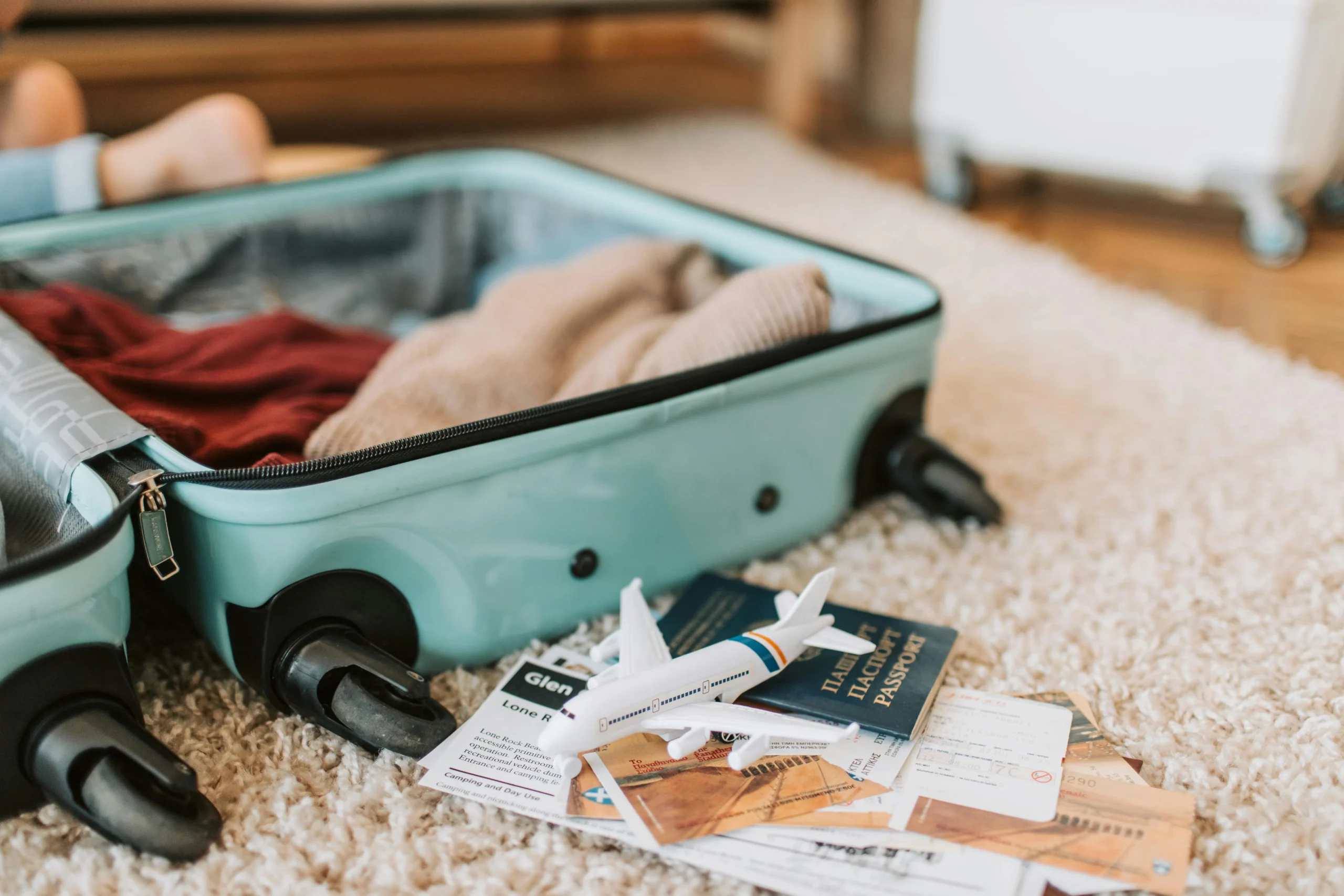
family travel checks with organized child essentials documents and medicine in a travel bag
Credit: [ Timur Weber/ pexels ]

7. Review Vaccine and Health Timing for Children

Some trips require more detailed health planning, especially international travel with infants or younger children. While not every destination calls for extra steps, it’s important not to assume that routine preparation is always enough.

The Centers for Disease Control and Prevention notes that children traveling abroad may need additional vaccines or earlier doses than the standard schedule. For example, infants between 6 and 11 months may need an early MMR dose before international travel.

This doesn’t mean every trip requires the same preparation, but it does mean families benefit from checking destination-specific health guidance well before departure.

8. Keep the First Day Lighter Than Expected

One of the most overlooked family travel checks is simplifying the first day. After early departures, long travel hours, unfamiliar food, and disrupted routines, children are often more tired than expected.

Family travel tends to go more smoothly when arrival day is treated as a transition rather than a full activity schedule. A relaxed meal, an easy check-in, and time to settle in can make a bigger difference than trying to fit in sightseeing right away.

This approach also helps parents stay flexible if there are delays or low energy after arrival. A lighter first day often sets a calmer tone for the rest of the trip.

Frequently Asked Questions

Q: What are the most important family travel checks before a trip?
A: The most important family travel checks usually include child travel documents, medicine planning, transport after arrival, and emergency contact backups.

Q: Do children need special documents for international travel?
A: In some cases, yes. Travel.State.gov says some destinations may require custody paperwork or a notarized permission letter for minors, depending on who is traveling with the child. :contentReference[oaicite:7]{index=7}

Q: Why should families prepare a travel health kit?
A: CDC guidance says a travel health kit helps travelers manage common minor illness and personal health needs during a trip, and that guidance applies especially well to families with children. :contentReference[oaicite:8]{index=8}

Q: What road safety advice matters most for traveling with children?
A: CDC guidance says children should wear a seat belt or use the correct car or booster seat, and that parents should review local car seat rules for the destination before traveling. :contentReference[oaicite:9]{index=9}

Key Takeaway

Strong family travel checks help parents handle small issues before they turn into stressful moments on the trip. Taking time to review documents, medicines, transport plans, and child routines in advance usually makes traveling with children feel more manageable. In most cases, family trips go more smoothly when preparation stays simple, practical, and done early.

INTERNAL LINKING SUGGESTIONS

  • How to Plan a Family Trip Without Making the Schedule Too Busy
  • 8 Travel Safety Checks to Make Before an International Trip
  • How to Pack for a Trip Without Forgetting the Essentials

Comments

Leave a Reply

Your email address will not be published. Required fields are marked *