8 Rest-Day Habits That Help Family Trips Feel Less Overplanned With Children

Strong rest-day habits can make family trips feel much easier when children start getting tired, overstimulated, or less flexible. CDC says changes in schedule, activities, and environment can be stressful for children, and it says travelers can reduce that stress by including children in planning and bringing familiar toys or other objects.
1. Plan one lighter day before everyone seems to need it
One of the most useful rest-day habits is scheduling a lighter day before the trip starts to feel too packed. Children often show travel stress after several busy days, not only on the first day. CDC’s guidance that schedule and environment changes can be stressful for children supports keeping some parts of the trip less demanding.
This usually works better than waiting until everyone is already tired and frustrated. A planned lighter day often protects the trip before stress builds too much. That second sentence is an inference based on CDC’s guidance about travel stress in children.
2. Keep the morning goal simple
A family rest day often feels best when the morning has one easy goal instead of a long list. That may mean one outing, one meal plan, and one quiet return point. Children usually handle travel better when the day feels predictable.
CDC says including children in planning can help decrease travel stress. A simple morning plan supports that idea because children can understand what comes next more easily when the day is not overloaded.

3. Carry familiar snacks even on slower days
Rest days still go better when food does not become a problem. CDC says adults should make sure children follow safe food and water precautions and notes that parents might want to bring safe and familiar snacks from home when suitable food may not be available right away.
That makes snacks useful even on days with less sightseeing. A quieter schedule does not always prevent hunger from changing the mood quickly, especially if the family is moving more slowly and meals drift later than expected. The second sentence is an inference grounded in CDC’s snack and food-safety guidance.
4. Keep one familiar comfort item close
CDC says travelers can help decrease children’s travel stress by bringing familiar toys or other objects.
This supports one of the simplest rest-day habits on a family trip: keep one familiar comfort item close even when the schedule is light. It may be a bedtime object, favorite book, or small toy. Familiar items often matter most when a child is tired, not only when the day is busy. That final point is an inference based on CDC’s guidance.
5. Protect the middle of the day from too much movement
A true rest day usually works better when the family is not constantly switching locations. A slower lunch, a break at the hotel, a park stop, or a quiet indoor pause can make the day feel more stable.
CDC’s guidance on schedule and environmental stress in children supports reducing rapid changes when possible. On family trips, fewer transitions often help children stay calmer and help adults make better decisions too. The second sentence is an inference based on CDC’s discussion of child travel stress.
6. Keep basic child health items easy to reach
CDC says diarrheal illnesses are among the most common travel-related problems affecting children and notes that infants and children with diarrhea can become dehydrated more quickly than adults.
This is why even a lighter family day should still include easy access to children’s medicine and basic care items. A rest day feels much easier when parents do not need to dig through every bag for something important. That second sentence is an inference grounded in CDC’s guidance about common travel illness in children.
7. Keep identifying information with children on slower days too
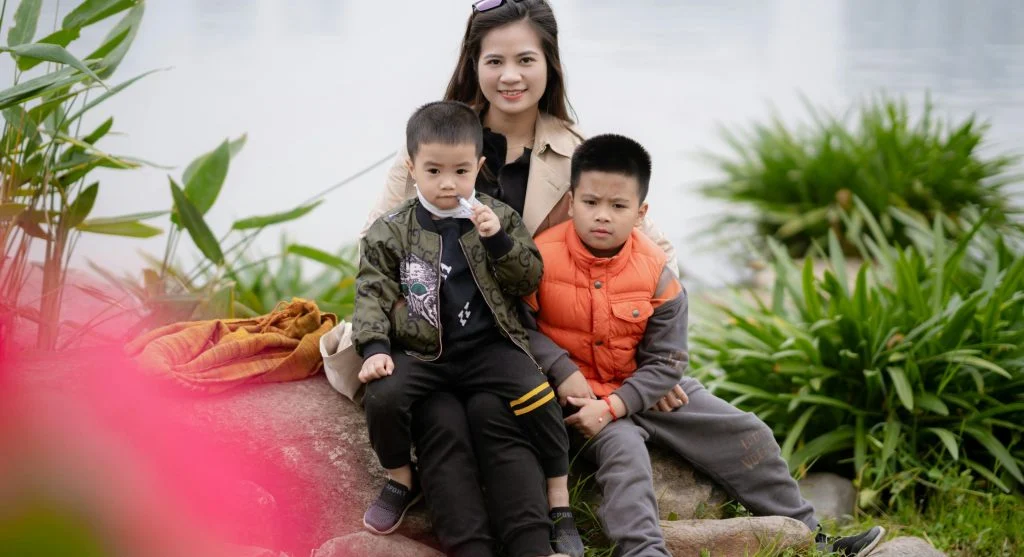
CDC says infants and children should carry identifying information and contact numbers in their clothing or pockets in case family members become separated.
This matters even on an easier day. Parks, hotel areas, family attractions, and public squares can still get busy fast, and calmer days sometimes make adults less alert than usual. The second sentence is an inference based on CDC’s identification guidance.
8. Use the evening to reset instead of squeezing in more
One of the strongest family rest-day habits is ending the day early enough that it still feels restful. A short evening reset can include charging devices, putting documents back in one pouch, setting out children’s items for morning, and keeping bedtime familiar.
CDC says changes in schedule and environment can be stressful for children and says familiar objects can help reduce that stress. That supports a calmer evening instead of turning a rest day into another late night.
Frequently Asked Questions
Q: What are the most useful rest-day habits on a family trip?
A: The most useful rest-day habits include planning a lighter day early, keeping the schedule simple, carrying familiar snacks, bringing comfort items, and ending the day with a calmer routine. CDC’s family travel guidance supports reducing stress from schedule and environment changes for children.
Q: Why do children need lighter travel days?
A: CDC says changes in schedule, activities, and environment can be stressful for children. A lighter day can reduce that pressure and help the trip feel steadier.
Q: Why should families still carry snacks on slower days?
A: CDC says parents may want to bring safe and familiar snacks from home when suitable food may not be available right away, and it also stresses safe food and water precautions for children.
Q: Why keep identifying information with children during travel?
A: CDC says infants and children should carry identifying information and contact numbers in case family members become separated.
Key Takeaway
Strong rest-day habits help family trips feel less overplanned with children because they reduce schedule pressure and make travel more predictable. Official guidance supports lowering stress through simpler plans, familiar objects, safe snacks, and practical child-safety basics. A lighter day often helps the rest of the trip feel stronger.






Post Comment