8 End-of-Hike Habits That Help Outdoor Travelers Finish Trail Days More Smoothly
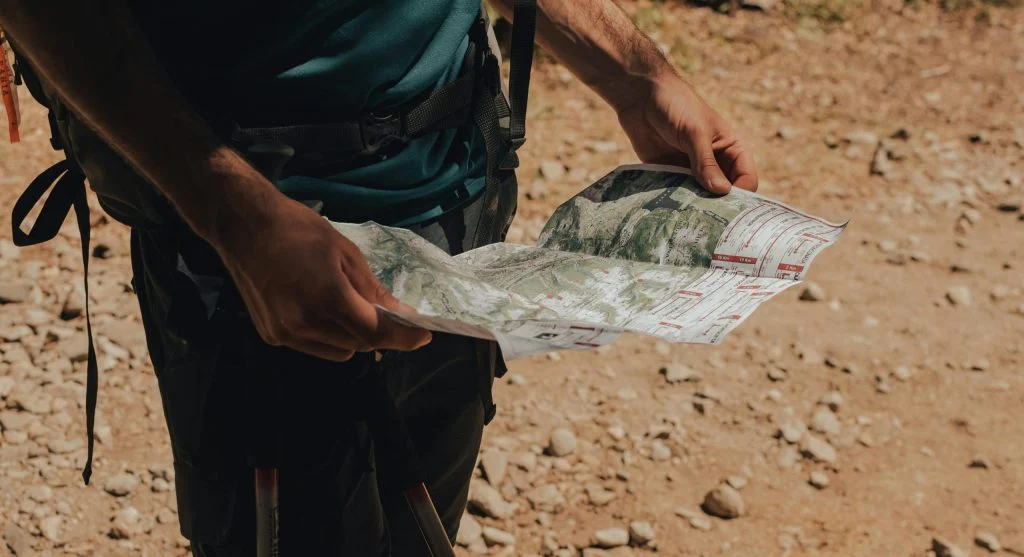
Strong end-of-hike habits can make outdoor trips feel safer and less stressful during the last part of the day. The National Park Service says hikers should keep track of time and distance, remember that the total hike includes the return trip, take breaks often, and pay attention to how they feel on the trail. NOAA also says hikers should avoid times when thunderstorms are likely, which often build later in the day.
1. Start thinking about the finish before you feel done
One of the most useful end-of-hike habits is shifting attention to the return before fatigue becomes the main story. Great Smoky Mountains National Park says hikers should keep track of time and distance and remember that the full hike includes the way out and the way back.
This matters because the last stretch of a hike often feels longer than it looked on the map earlier in the day. A stronger finish usually begins when hikers stop treating the destination as the end of the effort. That second sentence is an inference based on NPS guidance about total hike time.
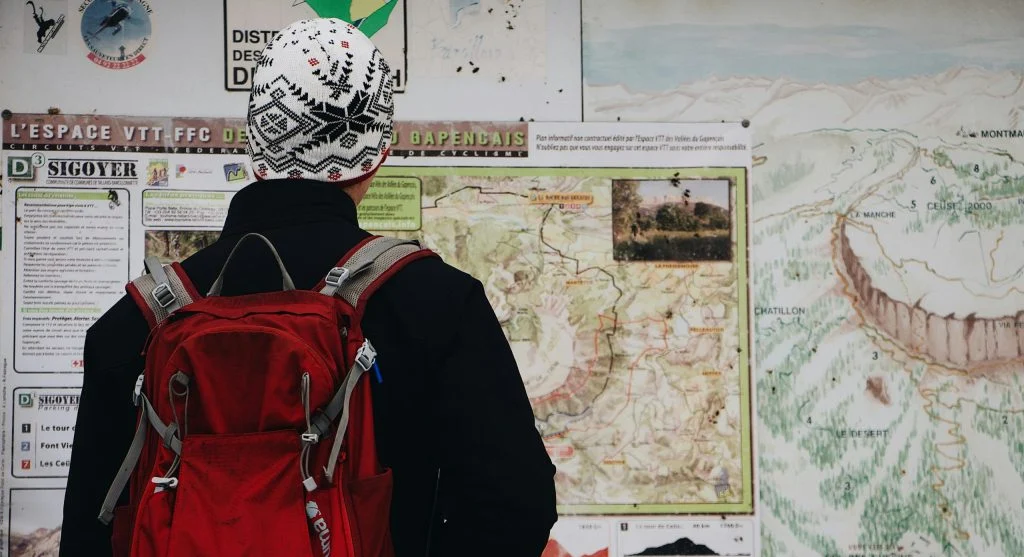
2. Use the last major stop as a decision point, not just a photo stop
NPS says hikers should keep track of time and distance and set a turn-around time if the trip is taking longer than planned.
That supports a smart finish-day habit: the final big viewpoint, junction, or rest area should also be a place to ask whether the day still fits the clock. A scenic stop can be enjoyable and practical at the same time. Those points are inferences based on the official timing guidance.
3. Keep taking short breaks even late in the hike
Great Smoky Mountains National Park says hikers should take breaks often and pay attention to how they are feeling on the trail. Hawaiʻi Volcanoes National Park says hikers should take a break at least every hour, sit down, drink fluids, and eat some food because those efficient breaks can recharge them and will not slow them down in the long run.
This is especially useful near the end of a hike because many people stop taking good breaks just when they begin to need them again. A shorter pause can protect the finish more than pushing through without one. That second sentence is an inference based on the park guidance above.
4. Treat hydration like a late-trail job, not an early-trail job
Bandelier National Monument says hikers should drink plenty of water, stay hydrated, and drink before they feel thirsty. It also says hikers should plan to bring extra water just in case.
This matters because late-trail dehydration can sneak up on hikers who felt fine earlier. The last hour of a hike usually goes better when water is still part of the routine instead of something saved for the parking area. That is an inference based on Bandelier’s hydration guidance.
5. Let afternoon weather shape the finish
NOAA says hikers should schedule day hikes to avoid times when thunderstorms are possible, which typically form in the late afternoon, and it says there are no safe places outdoors during a lightning storm.
This means the last miles of a hike should not be planned as if the weather will stay unchanged all day. A stronger finish often comes from respecting the afternoon forecast instead of racing it. Those points are inferences based on NOAA’s hiking-weather guidance.
6. Slow down on the return instead of rushing to be done
Lassen Volcanic National Park says hikers should know their abilities, take breaks often, slow down on hills, plan their time, and pay attention to how they feel. Mount Rainier guidance also says hikers should pace themselves, start slowly, and pick up the pace gradually.
This supports a simple trail habit: the last descent or final push is not always the moment to move fastest. A steadier return often reduces mistakes, stumbles, and poor choices made just because the trailhead feels close. That is an inference based on the pacing guidance above.

7. Keep checking how you feel, not just how far is left
Great Smoky Mountains National Park says hikers should pay attention to how they are feeling on the trail. Lassen Volcanic National Park says hikers should pay attention to how they feel and plan their time.
This is one of the best finishing habits because distance alone does not tell the whole story. A trail can be short on paper and still feel harder late in the day if energy, heat, or footing start changing. That is an inference based on the official guidance to monitor effort and condition.
8. Finish with enough margin, not at the edge of the plan
NPS says hikers should set a turn-around time, and NOAA’s guidance warns hikers to avoid the part of the day when storms are more likely. NPS trail-safety pages also say hikers should let someone know their anticipated return time before heading out.
That leads to one final habit: a good trail finish usually happens with some margin left in the day, not at the exact limit of energy, weather, or light. A smoother end often comes from finishing earlier than necessary rather than exactly on time. That is an inference based on the official timing, weather, and route-sharing guidance.
Frequently Asked Questions
Q: What are the most useful end-of-hike habits on a trail day?
A: The most useful end-of-hike habits include tracking time and distance honestly, using major stops as decision points, taking short breaks late in the hike, keeping hydration steady, watching afternoon weather, and finishing with margin instead of pushing to the edge of the plan.
Q: Why should hikers still take breaks near the end of a hike?
A: Great Smoky Mountains National Park says hikers should take breaks often, and Hawaiʻi Volcanoes National Park says short breaks help recharge hikers and do not slow them down in the long run.
Q: Why does afternoon weather matter so much for finishing a hike?
A: NOAA says thunderstorms often form in the late afternoon and that there are no safe places outdoors during a lightning storm.
Q: Why should hikers pay attention to how they feel instead of only to mileage?
A: Great Smoky Mountains and Lassen Volcanic both say hikers should pay attention to how they feel on the trail, because effort and condition can change even when the distance remaining looks manageable.
Key Takeaway
Strong end-of-hike habits help outdoor travelers finish trail days more smoothly by turning the last part of the route into a more deliberate routine. Official guidance supports honest time tracking, late-trail breaks, steady hydration, and careful attention to afternoon weather. A better finish often comes from staying thoughtful when the day feels almost over.













Post Comment