8 Transfer-Day Habits That Help Travelers Stay More Organized Between One Stop and the Next
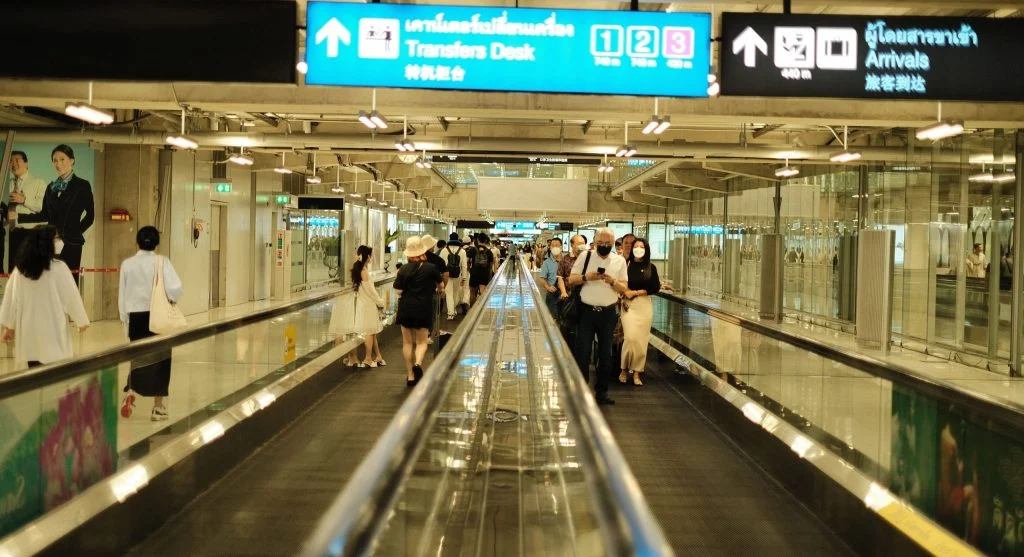
Strong transfer-day habits can make travel feel much easier when the day includes a hotel check-out, airport transfer, train change, or another move between stops. TSA says travelers should pack large electronics on the top layer of a carry-on for easier screening access and place the 3-1-1 liquids bag in an easy-to-reach area. Travel.State.gov says international travelers should organize important documents before departure, including passports, visas or electronic travel authorization when needed, medications, and child-travel paperwork where relevant.
1. Decide the first move before leaving the current stop
One of the most useful transfer-day habits is confirming the first move before walking out the door. A travel day usually feels calmer when the next transport step, address, or terminal plan is already clear.
That fits Travel.State.gov’s broader planning guidance, which emphasizes organizing key travel details before departure instead of trying to solve everything under pressure. This is an inference based on the State Department’s international travel checklist.
2. Keep important documents in one dependable place
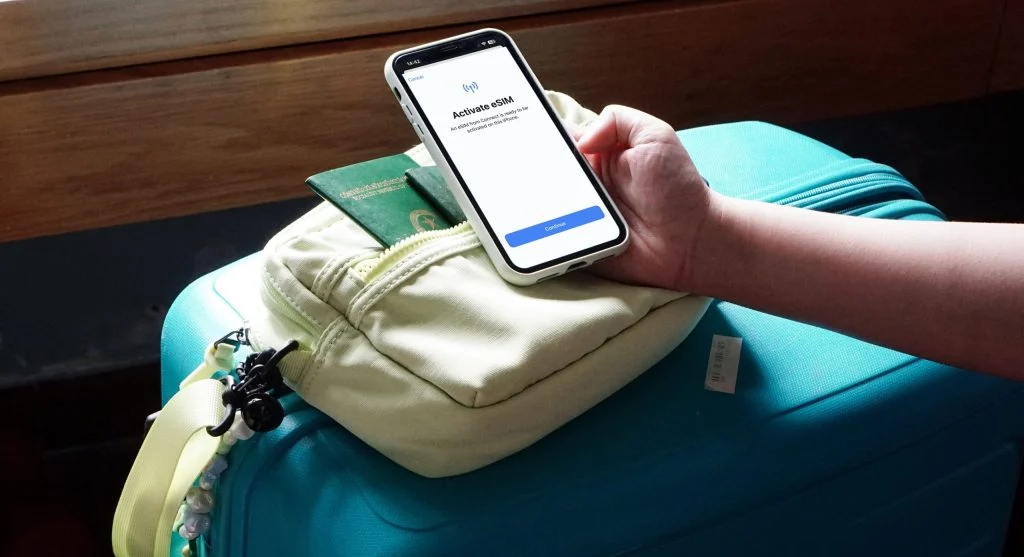
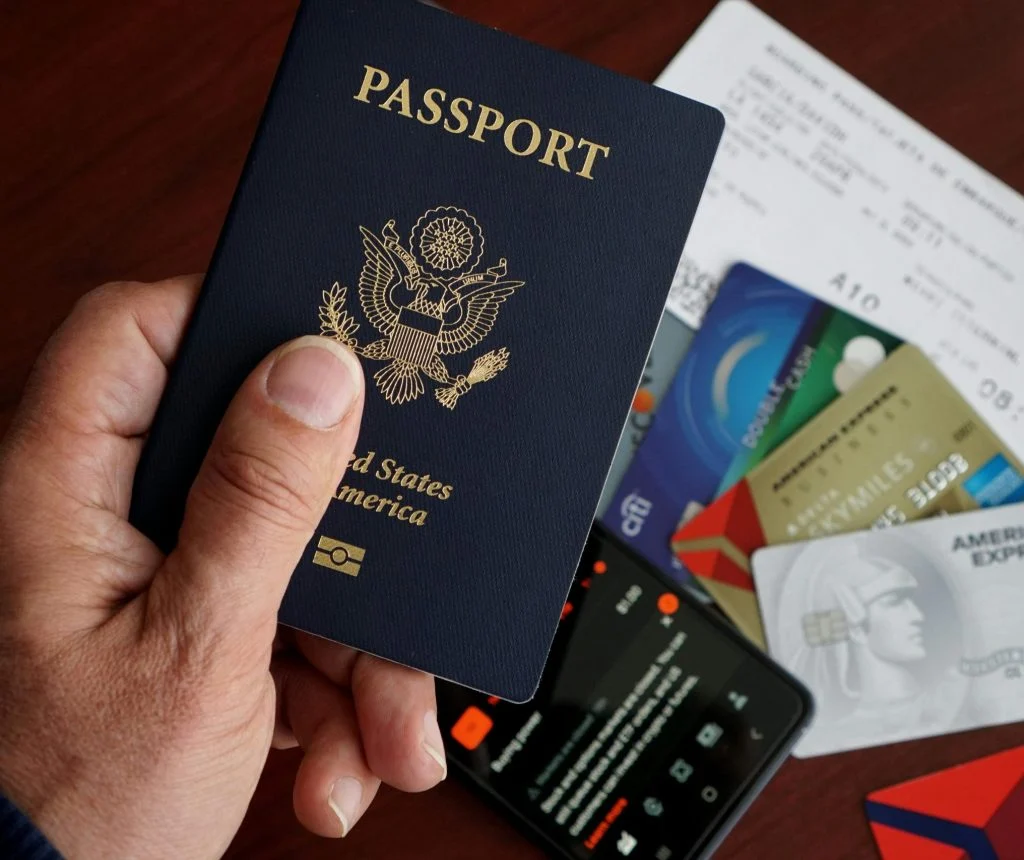
Travel.State.gov’s International Travel Checklist says travelers should organize important travel documents before departure, including a valid passport, visa or electronic travel authorization when needed, medications, and child-travel paperwork.
This supports a practical transfer-day habit as well. A document pouch or one reliable carry-on section usually works better than spreading the day’s essentials across several bags and pockets. That conclusion is an inference based on the checklist’s emphasis on organized travel documents.
3. Pack liquids for access, not just for space
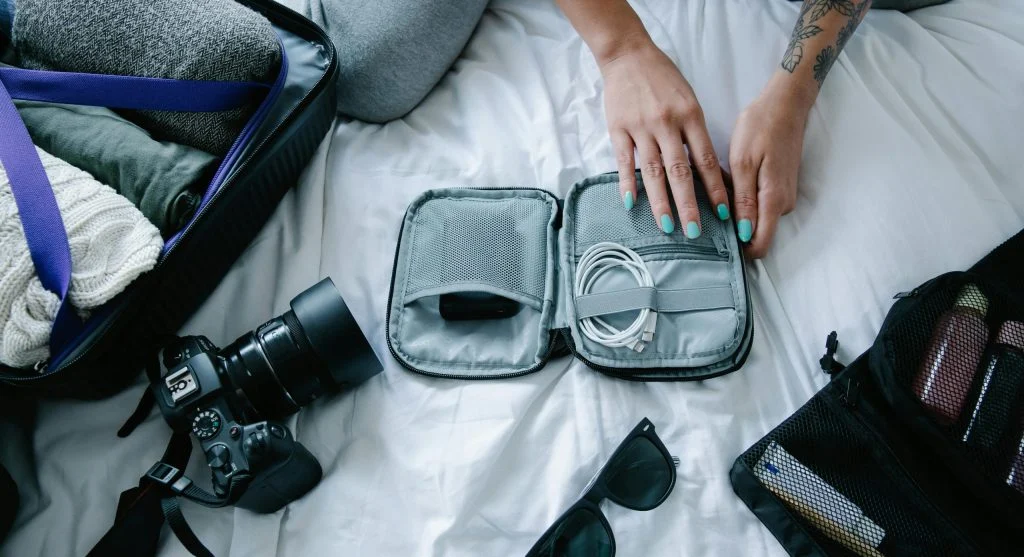
TSA says liquids, aerosols, gels, creams, and pastes in carry-on bags must be in containers of 3.4 ounces, or 100 milliliters, or less. It also recommends placing the 3-1-1 bag in an easy-to-access part of the carry-on.
This matters because transfer days often involve screening, repacking, and quick bag checks. A liquids setup that is easy to reach usually creates less friction than one buried under everything else. That is an inference based on TSA’s carry-on liquids guidance.
4. Keep electronics near the top of the bag
TSA’s travel checklist says travelers should pack large electronics on the top layer of the carry-on for screening accessibility.
This is one of the simplest organization habits because a transfer day often includes repeated stops, checks, and gate or platform changes. A bag packed for access usually works better than a bag packed only for tight compression. That conclusion is an inference based on TSA’s guidance about electronics.
5. Recheck baggage rules before the move begins
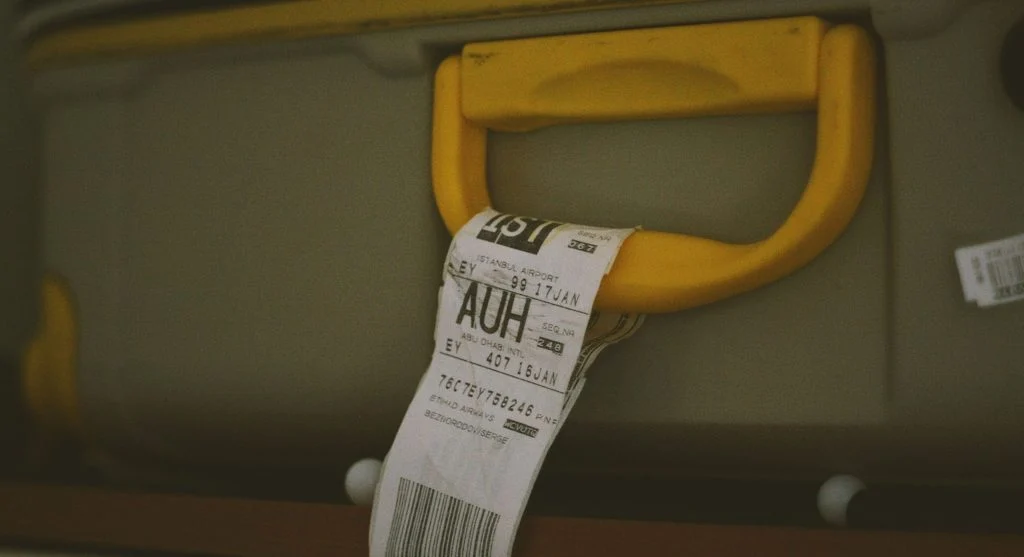
DOT says travelers should review baggage fees, optional services, ticket restrictions, and 24-hour cancellation or hold rules before finalizing travel decisions. DOT also says many airlines charge extra for checked bags and other optional services.
This matters because transfer-day surprises often come from assuming the bag setup still matches the ticket and airline rules. A quick rules check can help prevent unnecessary stress at the counter. That is an inference based on DOT’s ticket-buying guidance.
6. Put medication and health items high on the list
Travel.State.gov says travelers should verify prescription medication rules with the foreign embassy of each country they plan to visit or pass through. It also says travelers should pack enough medicine for the trip and keep medicines in original, labeled containers.
This supports a strong transfer-day habit: medication should be treated as a first-check item, not something packed once and forgotten deep in the luggage. That is an inference based on the State Department’s medicine and checklist guidance.
7. Use one short checklist instead of memory
TSA provides a travel checklist covering bag setup, liquids, and electronics, while Travel.State.gov provides an International Travel Checklist covering passports, visas, medications, and child-travel paperwork. Together, these official pages support using a repeatable checklist instead of relying only on memory.
A short checklist often works best because transfer days include more moving parts than ordinary travel mornings. That is an inference based on the structure of the TSA and State Department checklists.
8. Do one final review before stepping out
TSA’s travel checklist, Travel.State.gov’s international checklist, and DOT’s consumer air-travel guidance all point toward preparation before the stressful part begins.
That supports one final transfer-day habit: before leaving the current stop, do one last review of documents, liquids, electronics, medication, and the first route. A smoother transfer often begins with one quiet minute of checking rather than one rushed hour of correcting.
Frequently Asked Questions
Q: What are the most useful transfer-day habits for travelers?
A: The most useful transfer-day habits include confirming the first move, keeping documents together, packing liquids and electronics for access, checking baggage rules, reviewing medication needs, and using a short checklist before leaving.
Q: What does TSA say about liquids and electronics in carry-on bags?
A: TSA says liquids in carry-on bags must follow the 3-1-1 rule and that large electronics should be packed on the top layer for screening accessibility.
Q: What documents should international travelers organize before a transfer day?
A: Travel.State.gov says travelers should organize important documents such as a valid passport, any needed visa or electronic travel authorization, medications, and child-travel paperwork when relevant.
Q: Why should travelers recheck baggage rules before moving to the next stop?
A: DOT says baggage fees, ticket restrictions, and optional services are key issues travelers should review, and many airlines charge extra for checked bags and related services.











Post Comment