8 Check-Out Habits That Help Solo Travelers Leave a Stay More Smoothly

Strong check-out habits can make solo travel feel steadier on departure day. Travel.State.gov says travelers should download offline map apps, keep their phone charged, carry a portable battery, and tell someone at home their itinerary, hotel names, locations they plan to visit, embassy or consulate information, and emergency contacts while abroad. Its crime guidance also says travelers should not tell strangers where they are staying.
1. Confirm the first move before you leave the room
One of the most useful check-out habits is deciding the first move before stepping into the hallway. A solo traveler usually feels calmer when the next stop, route, and transport idea are already clear. That fits Travel.State.gov’s broader planning guidance, which emphasizes organizing important trip details before and during travel.
2. Open the offline map before check-out time arrives
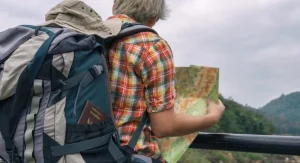
Travel.State.gov says travelers should download offline map apps so they can navigate without internet connection.
This matters on departure mornings because solo travelers often feel most stressed when they have luggage, time pressure, and a new route at the same time. A quick map check before leaving usually makes the first hour smoother. That second sentence is an inference based on the State Department’s offline-map guidance.
3. Check phone charge and backup power before walking out
Travel.State.gov says travelers should keep their phone charged and carry a portable battery.
This is one of the strongest departure-day routines because the phone often becomes the map, booking record, hotel contact tool, and emergency backup all at once. That second sentence is an inference grounded in the same official guidance. :contentReference[oaicite:5]{index=5}
4. Keep hotel details easy to reach but private
Travel.State.gov says travelers should share hotel names with someone trusted at home while also warning them not to tell strangers where they are staying.
This supports a simple solo-travel habit: keep the address and booking details accessible for departure, but do not discuss them loudly in public spaces. That is an inference based on the official guidance about itinerary sharing and hotel privacy. :contentReference[oaicite:7]{index=7}
5. Carry a copy of your passport details and keep originals secure
South Africa’s advisory says travelers should always carry a copy of their U.S. passport and visa if applicable and keep original documents in a secure location.
This is useful on check-out day because it can make movement between the hotel and the next stop feel easier without carrying every original document in the most exposed way possible. That second sentence is an inference based on the same official document guidance.
6. Avoid walking alone after dark when local guidance warns against it
Some current Travel.State.gov advisories warn travelers to avoid walking alone after dark. South Africa’s advisory says exactly that, and Malawi’s says city streets are unsafe after dark even when walking in a large group.
That supports a broader solo-travel departure habit too: if check-out timing pushes the move into late hours, the route should be planned more carefully than a daytime transfer. This is an inference based on destination-specific State Department warnings.

7. Share the broad departure plan with one trusted person
Travel.State.gov says travelers should tell someone at home their itinerary, hotel names, locations they plan to visit, embassy or consulate information, and emergency contacts while abroad.
This helps solo travelers feel more grounded because departure details do not live only on one device or in one tired mind. That is an inference based on the official recommendation to share itinerary basics with a trusted contact.
8. Let the last part of the stay be about leaving clearly, not rushing
Travel.State.gov’s broader crime guidance emphasizes preparation, charged phones, offline maps, and awareness of surroundings while abroad.
That points to one final solo-travel habit: departure usually goes better when the traveler focuses on leaving clearly instead of adding extra last-minute errands under pressure. That is an inference based on the official safety and preparation guidance above.
Frequently Asked Questions
Q: What are the most useful check-out habits for solo travelers?
A: The most useful check-out habits include confirming the first move, opening the offline map, checking phone charge and backup power, keeping hotel details accessible but private, carrying passport copies, and sharing the broad departure plan with one trusted person.
Q: Why are offline maps important on departure day?
A: Travel.State.gov says travelers should download offline map apps so they can navigate without internet connection.
Q: Why should solo travelers avoid sharing hotel details publicly?
A: Travel.State.gov warns travelers not to tell strangers where they are staying, even while it advises sharing hotel names with a trusted person at home.
Q: Why carry document copies instead of only originals?
A: South Africa’s advisory says travelers should carry a copy of their passport details and keep originals in a secure location.
Key Takeaway
Strong check-out habits help solo travelers leave a stay more smoothly by turning departure into a clearer routine. Official guidance supports offline maps, charged phones, shared itinerary basics, hotel privacy, and secure handling of travel documents. A better departure often starts before the traveler reaches the lobby.








Post Comment