What First-Time Visitors Should Know About Porto Before They Go
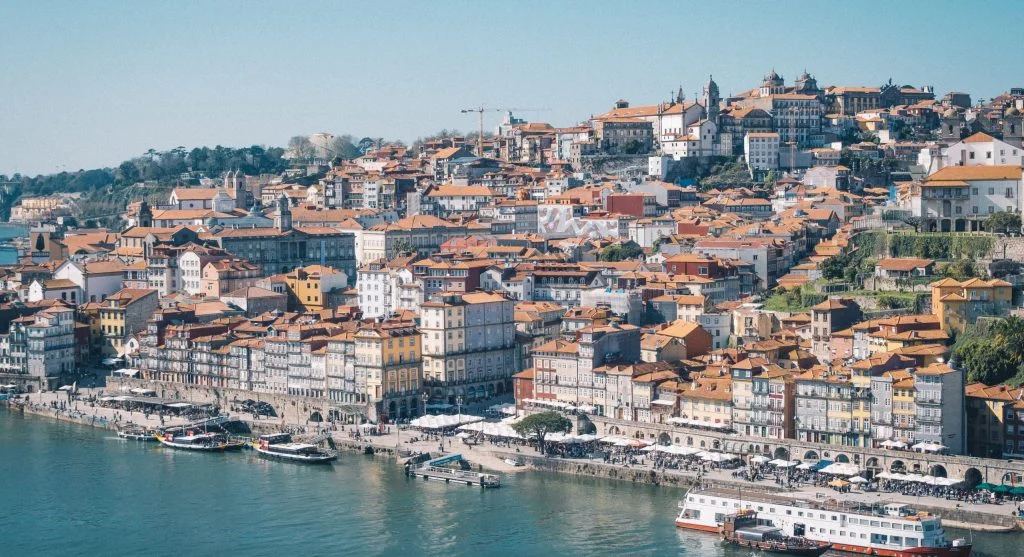
A practical Porto travel guide should help first-time visitors understand that the city is easiest to enjoy when the trip is built around public transport, a clear arrival plan, and slower area-based exploring. Porto’s official tourism site says visitors can reach the city from the airport by metro, bus, taxi, ride-hailing, transfer, or car rental. It also presents the Porto.CARD as the official city pass, offering transport and attraction benefits.
Why a Porto travel guide should start with transport
One of the most useful first-day lessons is that transport shapes the entire trip. Visit Porto says the airport is connected to the city by metro and bus, while taxis and ride-hailing services also offer direct access to the city centre. The city page says bus lines 601, 602, and 604 connect different areas of Porto, and taxi or ride-hailing trips to the centre usually take about 20 minutes.
This matters because hotel choice, sightseeing pace, and daily energy often depend on how easily travelers can move between different parts of the city. A place that looks appealing online may feel less practical if it leads to repeated long transfers every day. That final point is an inference based on the official transport guidance.
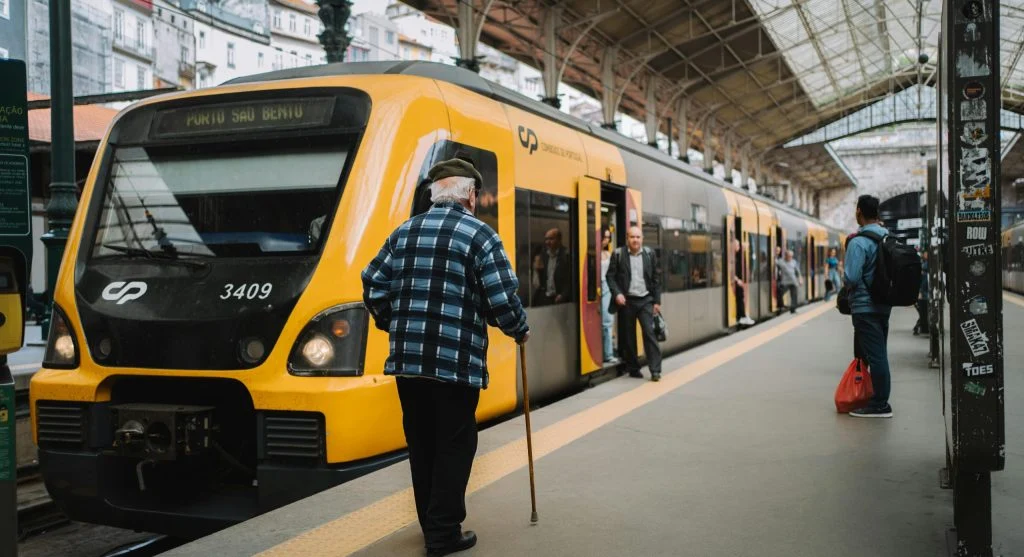
What first-time visitors should know about Porto.CARD
Visit Porto says the Porto.CARD is the official city pass and includes discounts, free public transport in some versions, and a long list of city benefits. It says the card is available in 24-hour, 48-hour, 72-hour, and 96-hour versions, with validity beginning from first use.
This is useful because a simple transport-and-sightseeing plan can make the city feel easier from the beginning. Travelers usually waste less time when they already understand how they plan to move around before the first full sightseeing day starts. That is an inference based on the official city-pass information.
Why first-time visitors should think in areas, not only landmarks
A strong Porto travel guide should encourage visitors to think in areas instead of only building one long sightseeing list. Visit Porto presents the city through official maps, card benefits, suggested experiences, and themed attraction groupings rather than treating the whole destination like one single checklist.
This matters because Porto often feels more enjoyable when travelers choose one main area for the morning and one nearby area for later in the day. That usually leaves more room for viewpoints, riverside walks, cafés, and smaller discoveries between major sights. This is an inference based on the official tourism structure and attraction guidance.
What first-time visitors should know about airport access
Visit Porto says the trip from the airport to the city can be made by metro, bus, taxi, ride-hailing service, private transfer, or car rental. It notes that taxis and ride-hailing services can take visitors to the city centre in about 20 minutes, while bus lines connect several parts of Porto.
This matters because the first ride often shapes the tone of the whole trip. Travelers usually feel calmer when the airport connection is already clear before arrival. That second sentence is an inference based on the official airport-access guidance.
What first-time visitors should know about city pace
Visit Porto’s official pages bring together transport details, card options, maps, and themed experiences in a way that supports a structured visit rather than a rushed one. The site’s document gallery also includes an official tourism map and suggested-experiences materials, reinforcing the idea that planning by area can make the city easier to enjoy.
That suggests Porto usually feels more rewarding when travelers leave space to slow down. A lighter plan often works better than trying to fit too many major sights into one day. This is an inference based on the way the official tourism pages present the city.

Why practical visitor basics matter in Porto
Visit Porto’s city page includes practical visitor basics such as airport access, currency, and power sockets, while the document gallery includes official maps and planning materials.
This is useful because first-time visitors often enjoy a city more when they understand the daily basics before arrival instead of learning them under pressure. That conclusion is an inference based on the practical planning emphasis of the official site.
How first-time visitors can plan a smoother Porto trip
The most effective first Porto trip is often a simple one. Travelers can choose a few priority areas, use public transport or direct airport options for longer moves, and leave enough room for walking, viewpoints, and slower discovery. That approach matches the way Visit Porto presents the city through transport tools, official maps, card benefits, and suggested experiences.
Porto usually feels more rewarding when visitors do not try to finish it in one trip. The official tourism site’s focus on transport, maps, and flexible card use suggests that the city rewards a lighter and more structured first visit. This is an inference based on the official planning pages.
Frequently Asked Questions
Q: Is Porto good for first-time international travelers?
A: Many first-time visitors find Porto manageable because the official tourism site highlights easy airport access, practical transport choices, and an official city pass that simplifies planning.
Q: What matters most in a Porto travel guide?
A: Transport, airport access, official maps, Porto.CARD options, and realistic daily pacing are among the most useful basics. These are strongly supported by Visit Porto’s official planning pages.
Q: Should first-time visitors use public transport in Porto?
A: For many travelers, yes. Visit Porto says the city can be reached from the airport by metro and bus, and Porto.CARD options also include transport benefits depending on the version.
Q: What does Porto.CARD include?
A: Visit Porto says Porto.CARD is the official city pass, available in 24-hour, 48-hour, 72-hour, and 96-hour versions, with discounts and, in some versions, free public transport.











Post Comment