Strong solo travel habits can make independent trips feel easier right from the start. Many travelers assume confidence comes first and habits follow, but in practice it often works the other way around. Simple routines, clear planning, and steady awareness tend to build the confidence people are looking for.
Travel advisers often point out that solo travel feels smoother when unnecessary stress is reduced. A trip doesn’t have to be perfect to be enjoyable—it just needs enough structure to make everyday decisions feel manageable and safe.
1. Start Each Day With a Simple Plan
One of the most helpful solo travel habits is beginning the day with a basic plan rather than a packed schedule. Knowing your first stop, general route, and when you’ll likely head back can make the day feel much more settled.
This doesn’t mean planning every detail. It’s more about choosing a direction—one main goal and maybe a backup option. Solo trip planning tends to work best when expectations stay realistic instead of trying to fit everything in.
Travel planners often note that decision fatigue can feel stronger when you’re alone. A simple plan helps reduce that pressure and keeps the day moving comfortably.
2. Keep Important Items in the Same Place Every Time
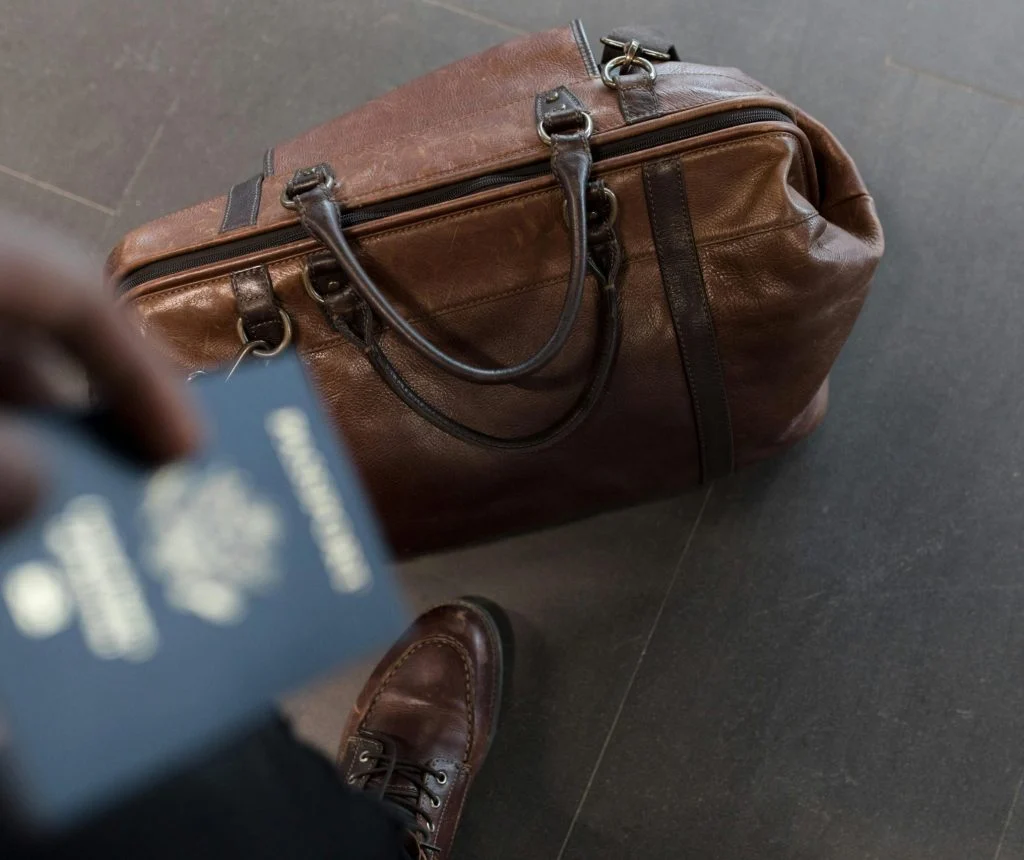
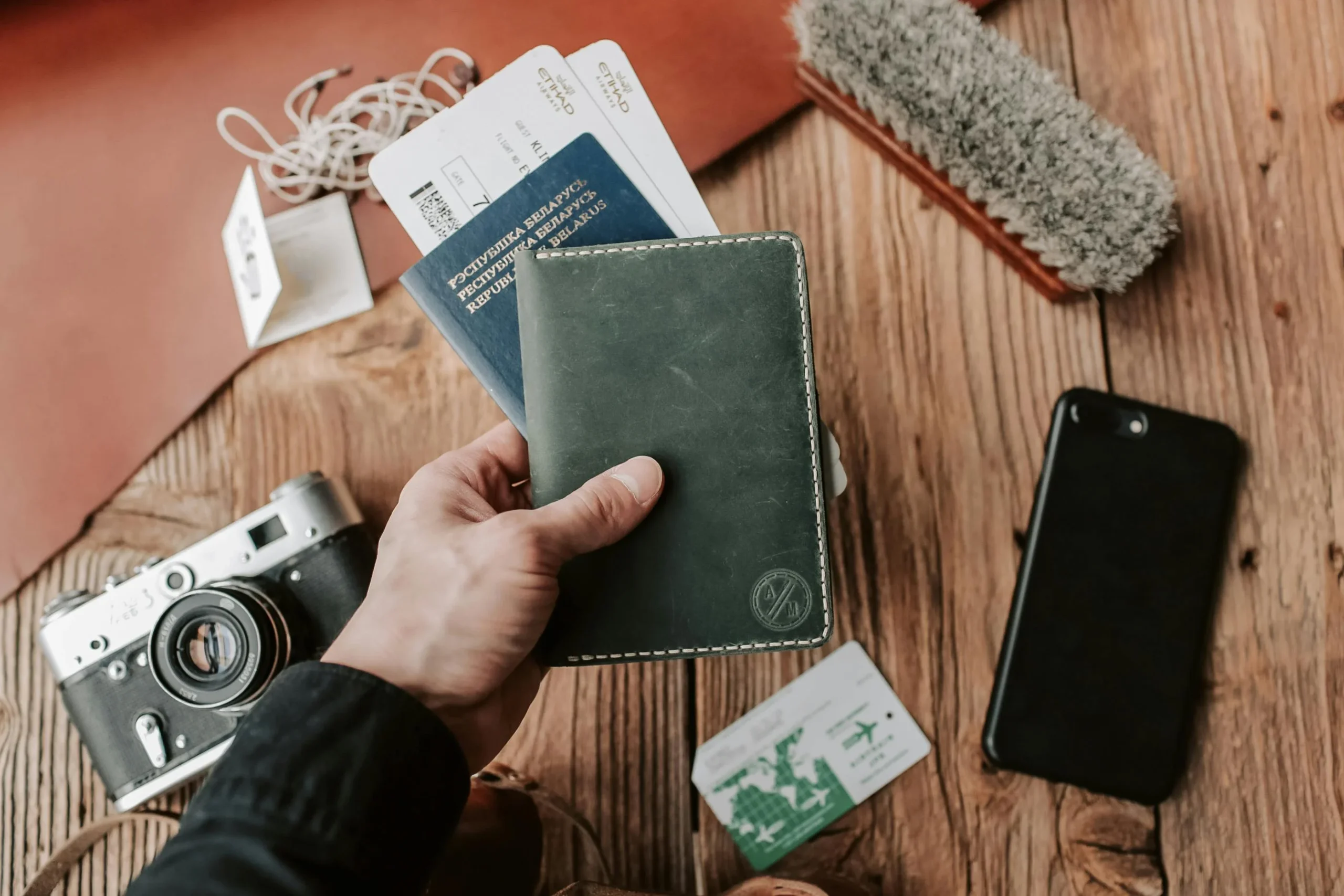
Traveling alone becomes much easier when essentials like your documents, wallet, phone, charger, and room key always go in the same place. Without a companion to double-check things, staying organized becomes more important.
Many experienced solo travelers rely on consistent habits, like using the same pocket or section of a bag each day. It may seem small, but it helps prevent unnecessary stress in busy places like airports, stations, or restaurants.
This habit also helps at night. Taking a moment to check your essentials before sleeping can prevent problems the next morning and keep your routine running smoothly.

Credit: [ Vlada Karpovich / pexels ]
3. Arrive With the First Move Already Decided
The first moments after arrival often shape how the entire trip feels. One of the most useful traveling alone tips is deciding your first move before you get there. This usually means knowing how you’ll get from the airport or station to your accommodation, which transport option makes the most sense, and what your backup plan is if something changes.
Solo travelers often feel the most uncertain during that first hour. There may be crowds, unfamiliar surroundings, tiredness, and low phone battery all at once. Having a clear next step removes much of that pressure.
Travel safety specialists often point out that confidence in these moments comes from preparation, not boldness.
4. Pause Before Checking Directions in Crowded Places
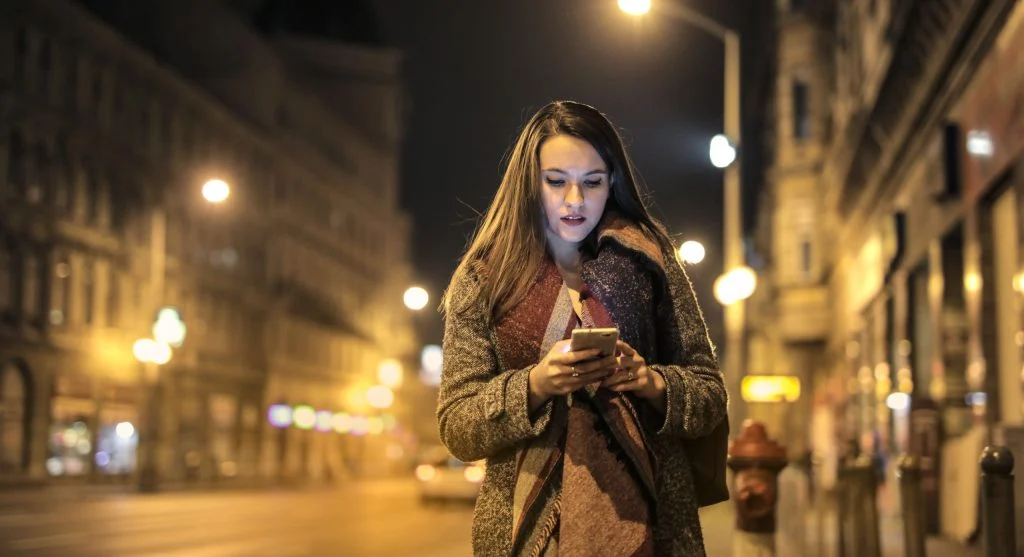
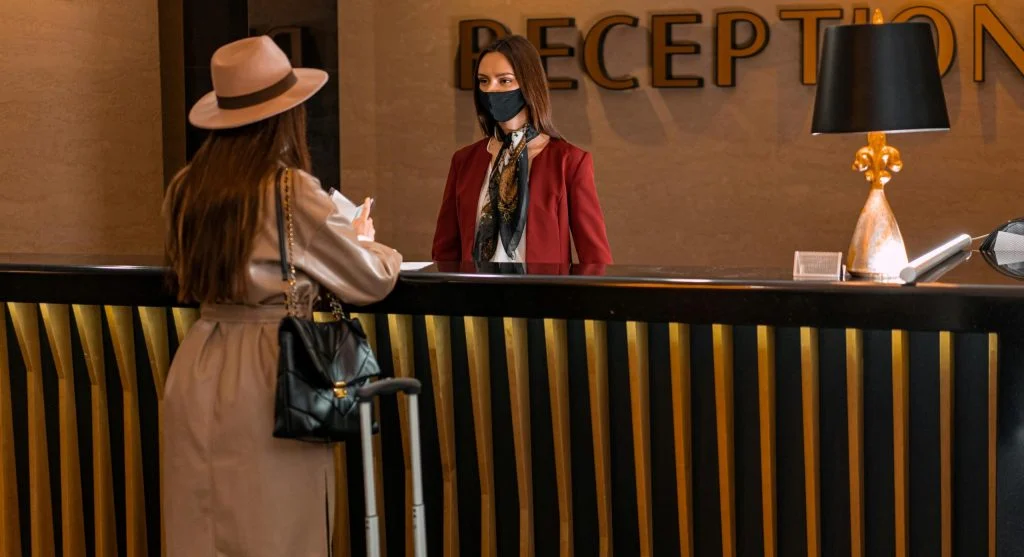
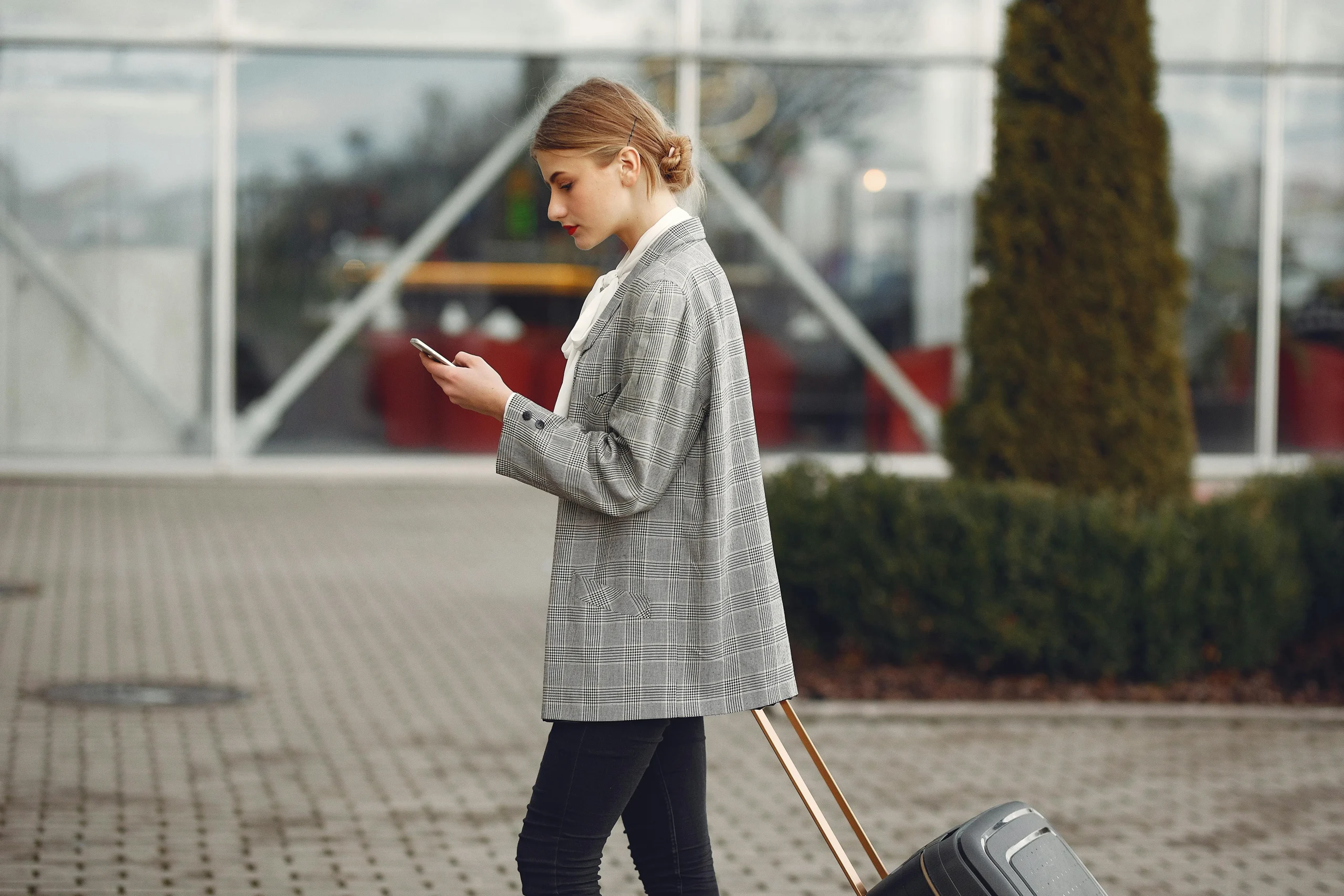
While phones are essential for navigation, constantly checking them in busy areas can reduce awareness. A better habit is to step into a café, shop entrance, hotel lobby, or quieter space before looking at maps or adjusting plans. This helps you stay more focused and aware of your surroundings.
This is one of the more practical solo travel habits because it supports both safety and confidence. What feels like public uncertainty often becomes easier to manage when you pause in the right place and take a moment to think clearly.
Travelers who treat navigation as a brief reset instead of something to handle in the middle of a crowd often move through new places more smoothly.
5. Build Breaks Into the Day on Purpose
Solo travel can be rewarding, but it also requires constant decision-making. You’re choosing routes, managing belongings, and adjusting plans throughout the day. That mental effort builds up over time.
Travel wellness experts often emphasize that breaks are part of the plan, not a sign that something is going wrong. Sitting down for a coffee, resting in a park, or taking a quiet meal can help reset your energy and improve decision-making.
Many travelers find they enjoy their trips more when they allow for a slightly slower pace than they first expected.
6. Share the Basic Outline of the Trip
You don’t need to share every detail of your day, but it helps to give one trusted person a general outline of your trip. This might include your flight details, accommodation, major destinations, and travel dates.
This habit adds a layer of reassurance. If communication becomes difficult, someone else still has the basic context of your plans. It also encourages more organized solo trip planning before you leave.
Simple sharing is often more practical than complicated safety measures. The goal is to have a reliable backup, not to create unnecessary worry.

Credit: [ Vlada Karpovich/ pexels ]
7. Keep Expectations Flexible, Not Rigid
Solo travel usually goes more smoothly when plans leave room to change. Delays, weather shifts, low energy, or crowded spaces can all affect the day. A rigid plan often leads to frustration, while a flexible one makes it easier to adjust without stress.
One of the most useful traveling alone tips is to focus on one main priority and keep a few optional ideas in mind, rather than trying to follow a packed checklist. This allows the day to unfold more naturally and keeps decisions manageable.
Flexibility often builds confidence, because the traveler learns that even when plans shift, the day can still work out well.
8. End the Day With a Reset Routine
Solo travel tends to feel easier when each day ends with a simple reset. This might include charging devices, checking documents, refilling water, reviewing the first step for the next day, and placing essentials in their usual spots.
Travel coaches often recommend this kind of routine because it turns organization into a steady habit rather than a last-minute scramble. Knowing that the next morning is already partly prepared can make it easier to relax and rest.
A few quiet minutes at the end of the day can remove much of the pressure from the one that follows.
Frequently Asked Questions
Q: What are the most important solo travel habits?
A: Starting each day with a simple plan, keeping important items organized, and building in rest breaks are among the most useful solo travel habits.
Q: How can solo travelers feel more confident?
A: Confidence often grows through routine, preparation, and realistic daily planning. Travelers usually feel calmer when the first steps of the day are already clear.
Q: Why is organization more important when traveling alone?
A: Solo travelers manage every document, item, and decision without help from a companion. Good organization reduces stress and helps prevent small mistakes.
Q: Should solo travelers plan every hour of the day?
A: No. A short plan with room for flexibility often works better than an overloaded schedule. Too much structure can make the day feel harder, not easier.
Key Takeaway
INTERNAL LINKING SUGGESTIONS
- Solo Travel Tips That Help New Travelers Feel More Confident
- 8 Travel Safety Checks to Make Before an International Trip
- How to Pack for a Trip Without Forgetting the Essentials

Leave a Reply