8 Solo Travel Safety Habits That Help Independent Trips Feel More Under Control

Strong solo travel safety habits can make independent trips feel much easier to manage before the traveler even leaves home. Solo travel often feels exciting because it offers freedom, but it also means one person is responsible for documents, route planning, backup systems, and emergency preparation. Official U.S. travel guidance supports building these habits early instead of waiting until a problem appears. Travel.State.gov says travelers should use the International Travel Checklist, review destination requirements, and enroll in STEP before going abroad.
1: Review Destination Guidance Before Focusing on the Fun Parts
One of the most useful solo travel safety habits is checking destination rules before spending too much time planning sightseeing. Travel.State.gov says travelers should review travel advisories, entry and visa requirements, local laws, and destination health information before departure.
This is especially important for solo travelers because there may not be a companion nearby to help fix a paperwork or planning issue after arrival. A calmer trip usually begins with a clearer understanding of the destination itself.
2: Enroll in STEP Before the Trip Begins
A solo traveler can often benefit from an added layer of official support before leaving. Travel.State.gov says the Smart Traveler Enrollment Program is a free service that sends email updates and alerts from U.S. embassies and consulates abroad. It also says travelers should enroll in STEP when traveling outside the United States.
That makes STEP one of the simplest solo trip planning habits. It provides useful updates without taking away the freedom of the trip itself.
Credit: Karolina Grabowska / Pexels
Credit: Andrej Lišakov / Pexels
7. Keep a lower profile in public spaces
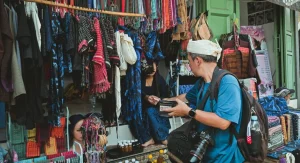
Travel.State.gov advises travelers to keep a low profile while abroad. Its crime guidance also tells travelers not to wear expensive jewelry or display valuable items openly.
This supports a useful solo-travel habit: move calmly, keep valuables less visible, and avoid drawing unnecessary attention in unfamiliar places. That helps with both comfort and awareness.
8. Use one repeatable checklist before every solo trip
The strongest solo travel systems are often the simplest. Travel.State.gov’s International Travel Checklist already organizes planning around destination review, document preparation, and important travel needs. Its broader travel pages also direct travelers to STEP and planning tools before departure.
A short repeatable checklist often makes solo travel feel more under control because the most important tasks do not need to be reinvented every time.
Frequently Asked Questions
Q: What are the most useful solo travel safety habits?
A: The most useful solo travel safety habits include reviewing destination rules, enrolling in STEP, making document copies, downloading offline maps, sharing the itinerary with one trusted person, and carrying a portable battery.
Q: Why should solo travelers enroll in STEP?
A: Travel.State.gov says STEP is a free service that sends timely email alerts and updates from U.S. embassies and consulates abroad.
Q: Why are offline maps important for solo travel?
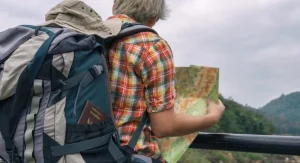
A: Travel.State.gov says travelers should download offline map apps so they can navigate without internet connection.
Q: What should solo travelers do with copies of important documents?
A: Travel.State.gov says travelers should make multiple copies, give a set to a trusted person, keep another set separate from the originals, and store photos on their phone.
Key Takeaway
Strong solo travel safety habits help independent trips feel more under control by turning the most important safety steps into simple routines. Official guidance supports destination review, STEP enrollment, document backups, offline maps, trusted contacts, and a charged phone before departure. Solo confidence often grows from good preparation, not from luck.








Post Comment