8 Morning Reset Habits That Help Solo Travelers Feel More Grounded in a New City
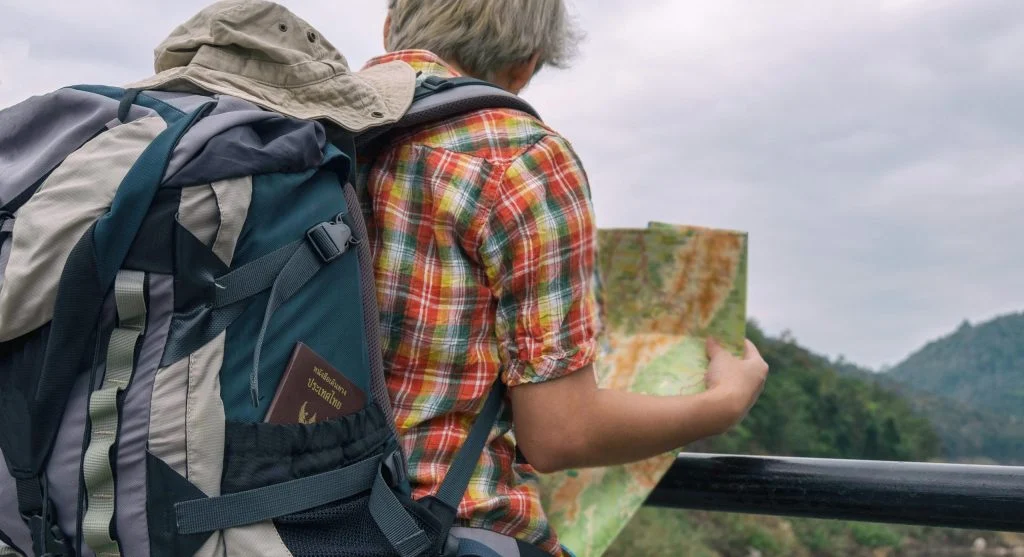
Strong morning reset habits can help solo travel feel steadier before the day even starts. Travel.State.gov says travelers should download offline map apps, keep their phone charged, carry a portable battery, and tell someone at home their itinerary, hotel names, planned locations, embassy information, and emergency contacts while abroad.
1. Start the day by checking the first move, not the whole day
One of the most useful morning reset habits is to confirm the first move before thinking about everything else. Solo travel often feels easier when the traveler knows the first neighborhood, the first route, or the first stop, instead of trying to figure out the entire day at once. That practical idea fits Travel.State.gov’s broader planning guidance, which tells travelers to use the International Travel Checklist and organize core trip details before and during travel.
2. Open the offline map before leaving the room
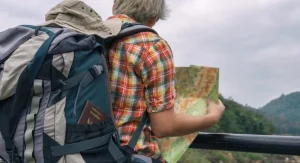
Travel.State.gov says travelers should download offline map apps so they can navigate without internet connection.
This matters because solo travelers often feel the most pressure when they have to work out directions in public while tired, distracted, or unsure of their surroundings. A quick map check in private can make the first hour outside feel calmer. That second sentence is an inference based on the State Department’s offline-map guidance.
3. Check your phone charge and backup power before heading out
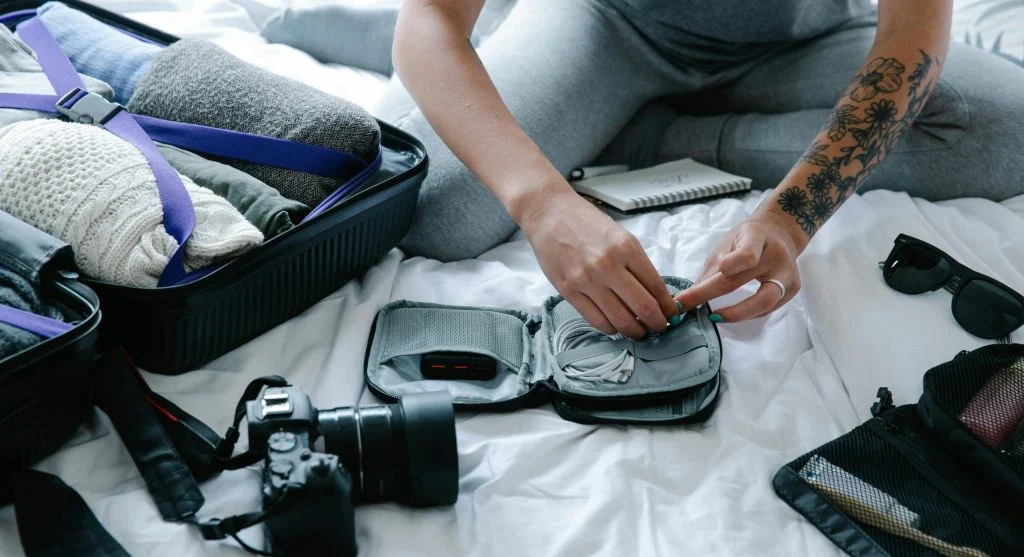
Travel.State.gov says travelers should keep their phone charged and carry a portable battery.
For solo travelers, this is one of the strongest daily routines because a phone often works as a map, ticket record, hotel contact, and emergency tool all at the same time. That is an inference grounded in the same official guidance.
4.Make one quick document check before leaving
Travel.State.gov’s country information pages include a recurring travel tip that says travelers should make two copies of all travel documents in case of emergency and leave one with a trusted friend or relative.
This supports a useful solo routine: before leaving for the day, check that the important items you need are with you and that backups still exist somewhere safe. That is an inference based on the State Department’s document-copy guidance.
5. Share the broad plan with one trusted person, not every detail with everyone
Travel.State.gov says travelers should tell someone at home their travel itinerary, hotel names, locations they will visit, embassy or consulate information, and emergency contacts while abroad.
This can help solo travelers feel more grounded because the day’s basic outline does not exist only in one phone or one tired mind. That is an inference based on the official recommendation to share itinerary and lodging details with a trusted contact.
6. Recheck entry and document basics if the day includes a border, flight, or big move
Travel.State.gov’s planning pages say travelers should review entry and exit requirements, and its country pages often repeat that passport validity, visa or electronic authorization rules, and other entry details must be checked before travel.
This is especially useful on solo trips because long transfer days become much harder when a document problem appears at the last minute. That second sentence is an inference based on the State Department’s repeated document guidance.
7. Keep one simple safety backup in mind for the day
Travel advisories frequently tell travelers to prepare contingency plans for emergency situations and to review the International Travel Checklist before they go.
That supports a practical morning habit for solo travelers: know one fallback option for the day, such as the hotel, a transport hub, or an easy return route. This is an inference grounded in the official advice to prepare contingency plans.
8. Let the first hour be about orientation, not performance
Travel.State.gov’s travel-crime guidance emphasizes preparation, awareness, charged devices, offline maps, and sharing itinerary basics before moving through unfamiliar places.
That points to one final solo-travel habit: use the first hour to get oriented instead of trying to do too much right away. A grounded start often creates a better rest of the day. That is an inference based on the broader official guidance.
Frequently Asked Questions
Q: What are the most useful morning reset habits for solo travelers?
A: The most useful morning reset habits include checking the first move, opening the offline map, confirming phone charge and backup power, checking important documents, sharing the broad plan with a trusted person, and keeping one simple fallback option in mind.
Q: Why are offline maps so important on solo trips?
A: Travel.State.gov says travelers should download offline map apps so they can navigate without internet connection.
Q: Why should solo travelers make document copies?
A: Travel.State.gov’s country information pages repeatedly say travelers should make two copies of their travel documents in case of emergency and leave one with a trusted friend or relative.
Q: Why should solo travelers share their itinerary with someone at home?
A: Travel.State.gov says travelers should tell someone at home their itinerary, hotel names, locations they will visit, embassy or consulate information, and emergency contacts while abroad.









Post Comment