8 Waiting-Time Habits That Help Family Trips Feel Easier With Children
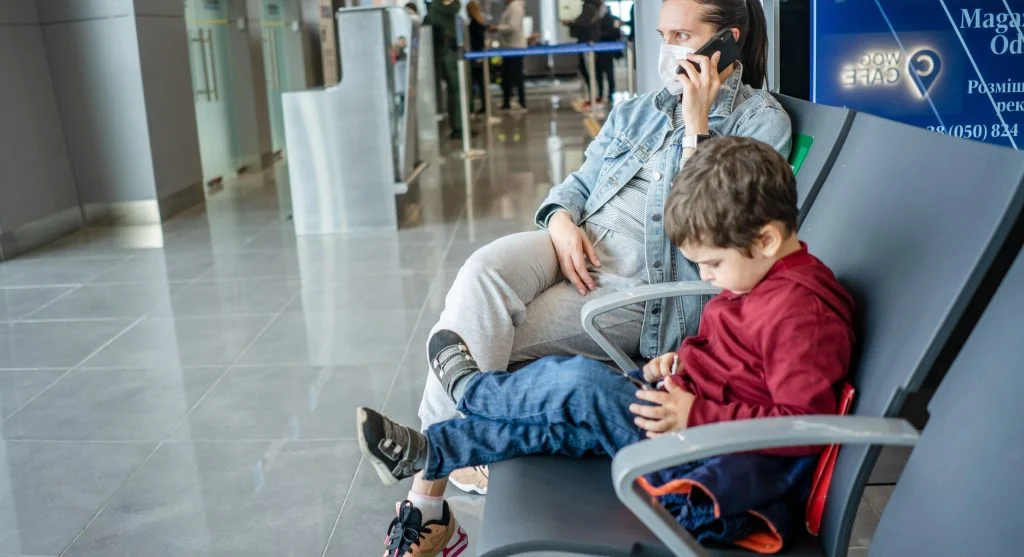
Strong waiting-time habits can make family trips feel much easier when the day includes delays, long check-ins, slow transport, or unplanned pauses. CDC says changes in schedule, activities, and environment can be stressful for children, and it says travelers can reduce that stress by including children in planning and bringing familiar toys or other objects. CDC also says parents may want to bring safe and familiar snacks from home when suitable food may not be available right away.
1. Tell children what the wait is for before it starts
One of the most useful waiting-time habits is explaining the next step before the family gets stuck in a line, lounge, or delay. CDC says including children in planning can help decrease travel stress.
This helps because waiting often feels harder when children do not know what comes next. Even a simple explanation like “we wait here, then we board” can make the pause feel smaller and more predictable. That second sentence is an inference based on CDC’s guidance about planning and stress reduction for children.
2. Keep safe and familiar snacks easy to reach
CDC says parents might want to bring a supply of safe and familiar snacks from home when children are hungry and suitable food may not be available right away. It also says adults should make sure children follow safe food and water precautions.
This matters because waiting time often becomes mealtime by accident. A simple snack routine can keep a short delay from becoming the problem that changes the mood of the whole day. That is an inference based on CDC’s snack guidance for child travelers.
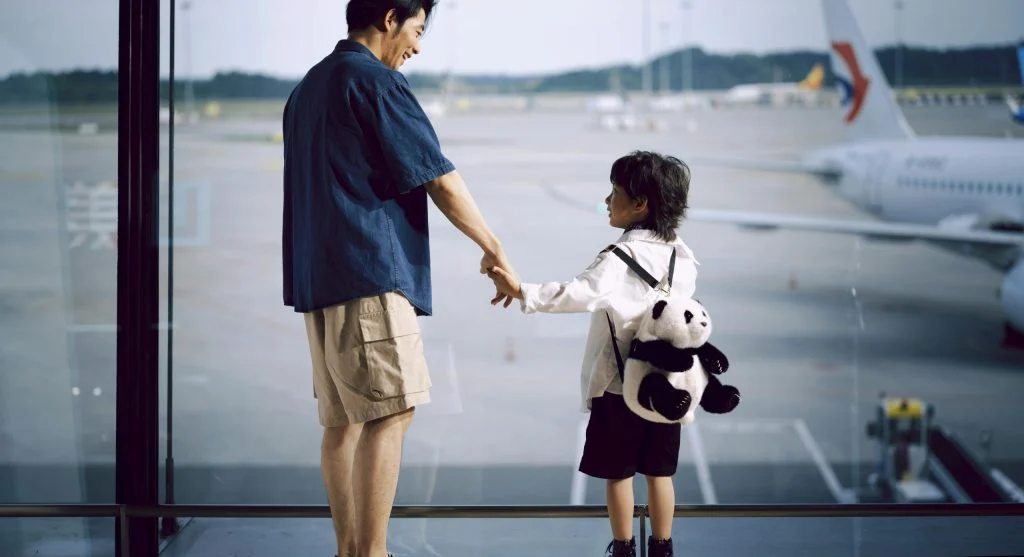
3. Carry one familiar comfort item during every long pause
CDC says travelers can help decrease children’s travel stress by bringing familiar toys or other objects.
This supports a strong family travel habit: when the day includes waiting, one familiar item should stay easy to reach instead of packed away. A small toy, comfort object, or bedtime book often matters most when the child is tired and the day is no longer moving normally. That practical point is an inference based on CDC’s guidance.
4. Treat hand cleaning as part of every wait-and-snack break
CDC says adults should make sure children follow safe food and water precautions and wash their hands frequently to help prevent food-borne and waterborne illness.
This is especially useful during travel delays because children often touch seats, railings, bags, and snacks in quick succession. A simple hand-cleaning routine can make the next part of the day feel much more controlled. That is an inference based on CDC’s handwashing and food-safety guidance.
5. Keep child identification and contact information available
CDC says infants and children should carry identifying information and contact numbers in their clothing or pockets in case family members become separated.
This matters even more during waiting periods because busy gates, platforms, and hotel lobbies can become crowded or confusing very quickly. A calm family wait usually depends on simple preparation long before anything goes wrong. That second sentence is an inference based on CDC’s child-identification guidance.
6. Keep medicine and basic child-care items near the top of the bag
CDC says diarrheal illnesses are among the most common travel-related problems affecting children and notes that infants and children with diarrhea can become dehydrated more quickly than adults. It also says caregivers should carry an adequate supply of medications for children who need them.
This supports a practical waiting-time habit: water, medicine, wipes, and basic child-care items should stay easy to reach during delays instead of packed deep in a larger bag. That is an inference grounded in CDC’s guidance on dehydration risk and medication preparation.

7. Use a simple activity, not a big entertainment plan
CDC’s guidance makes clear that children often handle travel better when stress is reduced through planning and familiar supports.
That supports one useful family habit: during waiting time, simple activities often work better than complicated ones. A small book, drawing item, quiet game, or familiar object can be easier to manage than a bigger setup that creates more cleanup and more pressure. Those points are inferences based on CDC’s stress-reduction guidance.
8. Protect one calmer pause after the wait ends
CDC says changes in schedule, activities, and environment can be stressful for children.
That points to one final habit: after a long wait, families often do better with one calmer transition instead of immediately rushing into the next big activity. A short snack, water stop, or quiet reset can help the next part of the trip feel easier. That is an inference based on CDC’s guidance about schedule and environmental stress in children.
Frequently Asked Questions
Q: What are the most useful waiting-time habits on a family trip?
A: The most useful waiting-time habits include explaining the wait clearly, keeping familiar snacks and comfort items easy to reach, cleaning hands regularly, carrying child identification, keeping medicine accessible, and using simple activities during delays.
Q: Why do familiar snacks matter so much during travel delays?
A: CDC says parents may want to bring safe and familiar snacks from home when suitable food may not be available right away.
Q: Why should children carry identifying information during travel?
A: CDC says infants and children should carry identifying information and contact numbers in their clothing or pockets in case family members become separated.
Q: Why should families keep medicine and water easy to reach during delays?
A: CDC says diarrheal illnesses are common in child travelers and that children can become dehydrated more quickly than adults, while caregivers should also carry an adequate supply of needed medications.
Key Takeaway
Strong waiting-time habits help family trips feel easier with children because they reduce stress during the parts of travel that feel slow and unpredictable. Official guidance supports familiar objects, safe snacks, hand cleaning, child identification, and access to medicine and water. Small routines often make the biggest difference when the family has to pause.












Post Comment