8 Trailhead Habits That Help Outdoor Travelers Start Hikes More Prepared
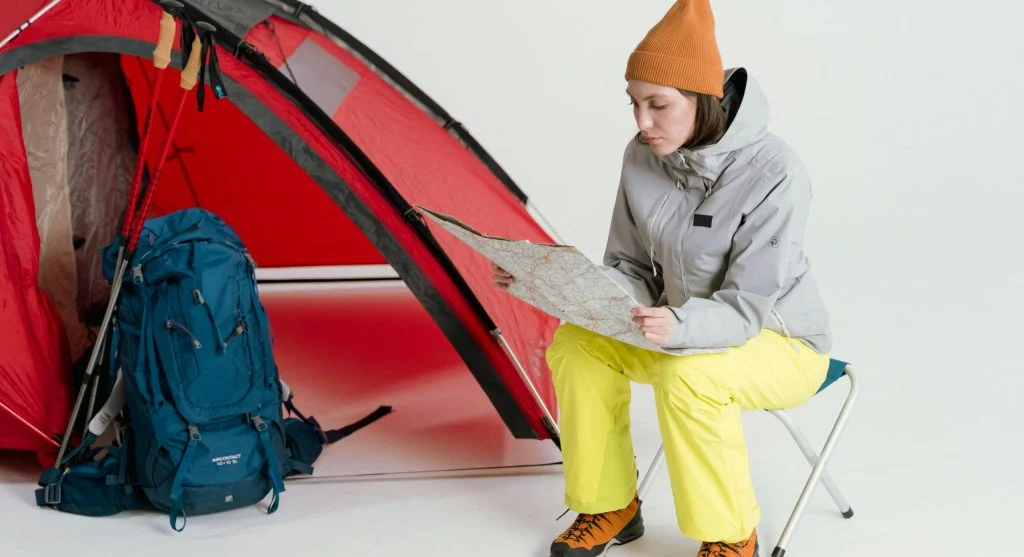
Strong trailhead habits can make outdoor trips feel safer before the first mile even begins. The National Park Service says hikers should plan ahead, check for park alerts, know their route, and carry the Ten Essentials. NOAA also says hikers should schedule day hikes to avoid times when thunderstorms are possible, which often build later in the day.
1. Confirm the exact route before leaving the trailhead
One of the most useful trailhead habits is reviewing the exact route before taking the first step. NPS says hikers should know their route, plan their hike in advance, and have a Plan B ready if conditions are not ideal.
This matters because many hiking mistakes begin with a vague start rather than a difficult trail. A route often feels easier later when the first decision is already clear at the trailhead. That second sentence is an inference based on NPS guidance about route planning and backup plans.
2. Check weather again right before you start
NOAA says outdoor activities can become dangerous because of weather hazards, and it advises hikers to avoid times when thunderstorms are possible, which typically form in the late afternoon. NOAA also says there are no safe places outdoors during a lightning storm.
This is one of the strongest trailhead routines because the morning forecast can still change how the day should be paced. A weather check at the car or trail sign can be more useful than one remembered from the night before. That is an inference based on NOAA’s weather-safety guidance.
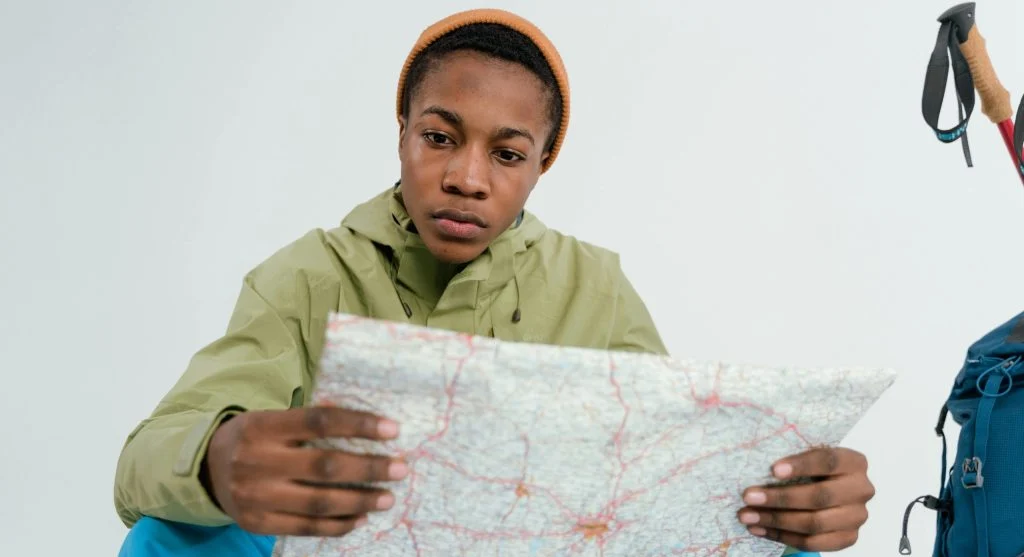
3. Count the Ten Essentials before walking away from the car
The National Park Service says hikers should always pack the Ten Essentials, and it explains these items help with minor injuries, sudden weather changes, and unexpected delays. NPS also notes that navigation, insulation, illumination, food, water, first aid, and emergency tools should be part of trip planning before heading out.
This supports a practical habit: the trailhead is the best place to catch missing gear because it is the last easy place to fix the problem. That is an inference grounded in NPS guidance on carrying the Ten Essentials before the hike begins.
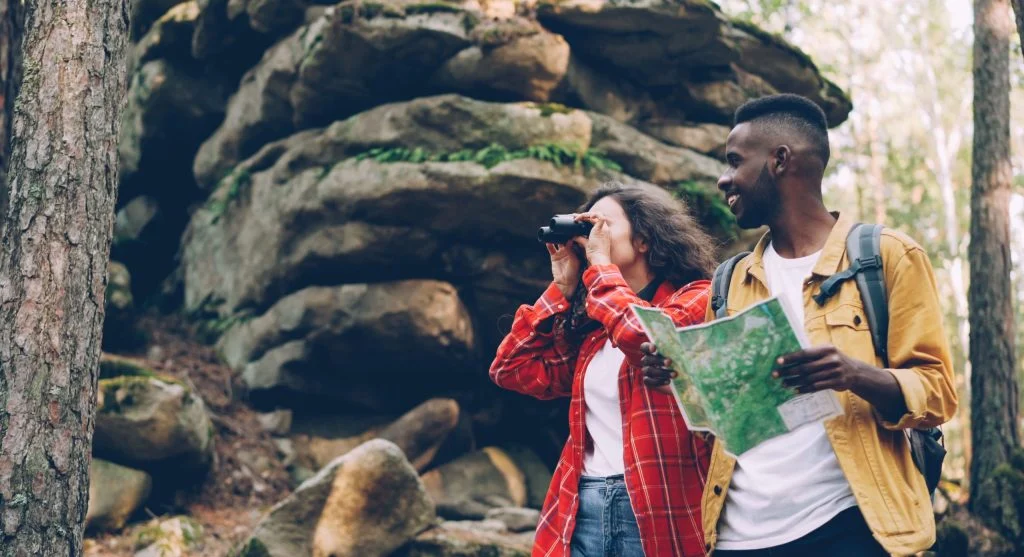
4. Keep navigation tools ready, not buried
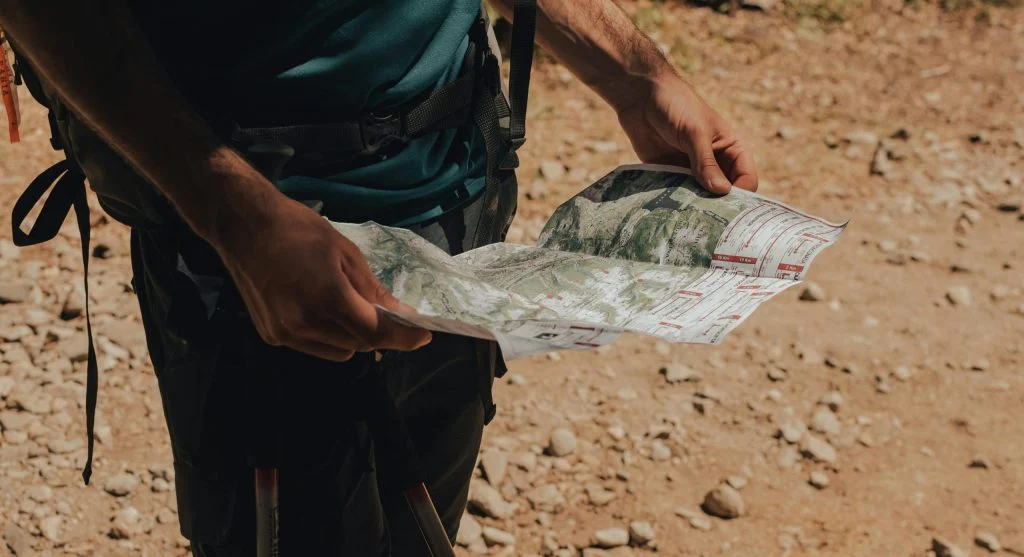
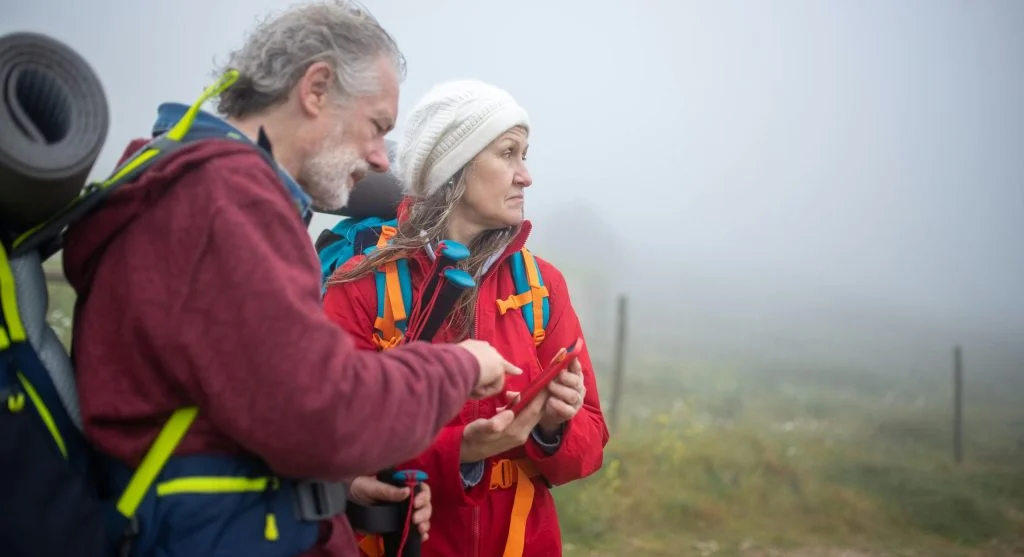
NPS says navigation tools such as a map, compass, and GPS should be used both before the trip and in the field, and its camping preparation page also says navigational supplies should include a map, GPS unit, and compass.
This means maps and route tools usually work best when they are accessible at the start instead of packed too deeply. A trail often feels more manageable when the hiker can confirm the first turn without unpacking half the bag. That is an inference based on official NPS navigation guidance.
5. Start slower than you think you need to
Mount Rainier National Park says hikers should pace themselves, start slowly, and pick up the pace gradually. It also says hikers should take plenty of breaks and rest in the shade during hot weather.
This is a strong trailhead habit because the first few minutes often decide how the next few hours will feel. A steadier start usually protects energy better than beginning too fast and trying to recover later. That is an inference based on Mount Rainier’s pacing guidance.
6. Treat water as a starting requirement, not a backup item
NPS says hikers should bring enough water and food, and Arches National Park says carrying at least 2 to 3 liters per person for front-country hikes, and 4 liters or more for backcountry, can help avoid dehydration. Grand Canyon guidance also says in warm months hikers may need about a gallon, or 4 liters, of water per day depending on conditions.
This makes one practical starting habit very clear: water should be checked before the trail begins, not after the first climb. That conclusion is an inference grounded in NPS hydration guidance.
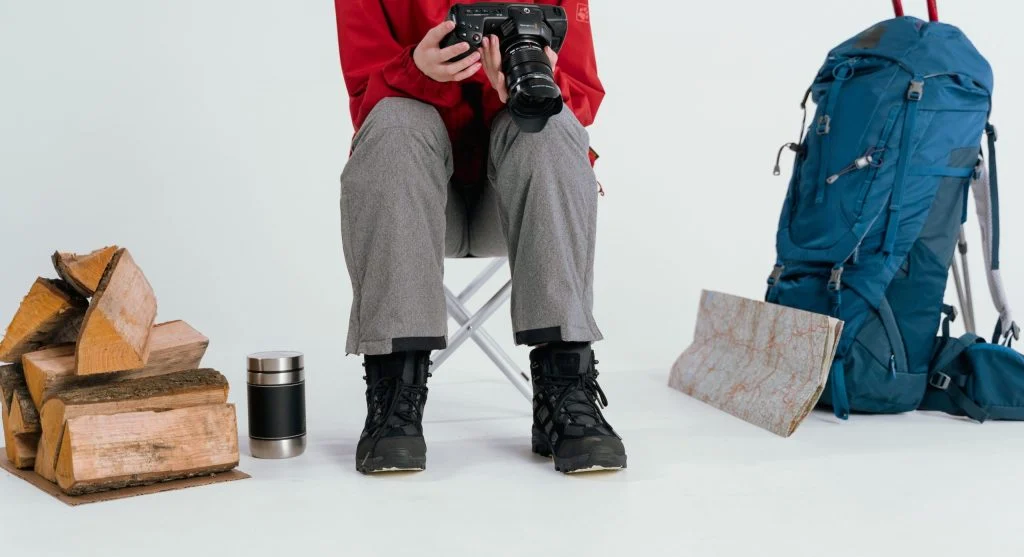
7. Check park alerts and closures before committing to the route
NPS says hikers should check for park alerts, including trail closures, wildland fire risks, and other hazards in the area, and its summer trip-planning guidance says visitors should check park websites, the NPS App, park social media, or ask rangers for closures and hazards.
This matters because a route that sounded fine earlier can still change before the hike starts. A better outdoor day often begins with one last alert check at the trailhead. That is an inference based on NPS guidance about real-time hazards and closures.
8. Tell someone the plan before you lose signal
NPS trip-planning guidance says visitors should have a plan, prepare emergency details, and use a trip plan template where helpful. Many park-specific hiking safety pages also advise telling someone where you are going and when you expect to return.
This is one of the smartest trailhead habits because the trailhead is often the last simple moment to share the route clearly. Once the hike starts, signal, weather, or pace may change how easy that becomes. That is an inference based on NPS trip-planning guidance.
Frequently Asked Questions
Q: What are the most useful trailhead habits before a hike?
A: The most useful trailhead habits include confirming the route, checking weather, counting the Ten Essentials, keeping navigation tools accessible, starting slowly, checking water, reviewing park alerts, and sharing the plan with someone before leaving.
Q: Why should hikers check weather right before starting?
A: NOAA says outdoor activities can become dangerous because of weather hazards and that thunderstorms often build later in the day, so a current check can change the plan.
Q: Do hikers really need the Ten Essentials on shorter hikes?
A: Yes. NPS says hikers should carry the Ten Essentials because they help with sudden weather changes, injuries, and unexpected delays, including on shorter outings.
Q: Why should hikers check park alerts before leaving the trailhead?
A: NPS says hikers should check for closures, wildland fire risks, and other hazards before heading out because trail conditions can change quickly.
Key Takeaway
Strong trailhead habits help outdoor travelers start hikes more prepared by turning the first few minutes into a simple safety routine. Official guidance supports route checks, weather awareness, the Ten Essentials, park-alert reviews, and clear trip planning before leaving the trailhead. A steadier hike often begins before the first step.










Post Comment