8 ATM Safety Habits That Help Travelers Protect Cash and Cards Abroad
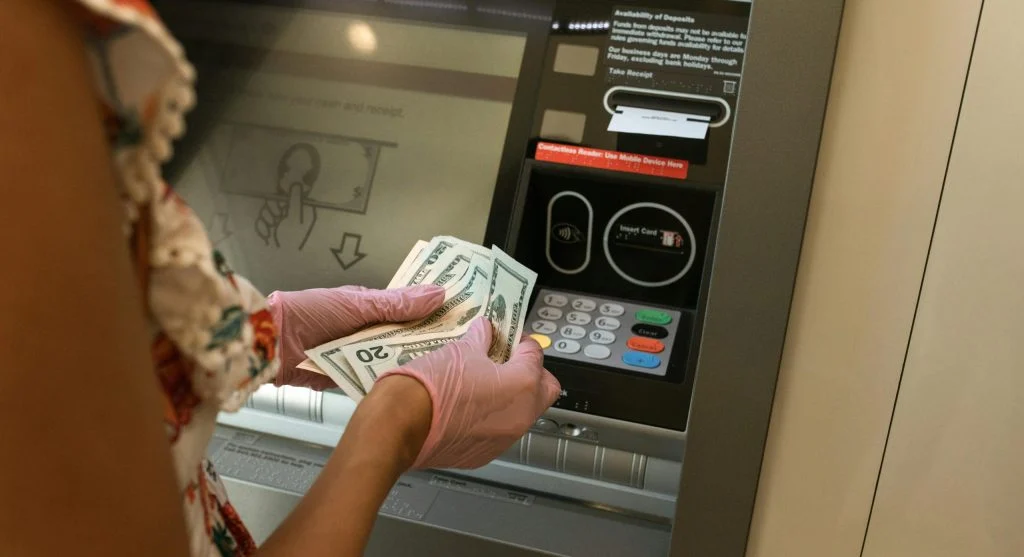
Strong ATM safety habits can make travel feel more secure when cash is needed abroad. Current U.S. travel advisories warn that ATM and credit-card skimming are common in some destinations, and several official pages tell travelers to stay alert when withdrawing cash, use safer ATM locations, and monitor accounts for unauthorized transactions.
1. Use ATMs in safer locations instead of the first machine you see
One of the most useful ATM safety habits is choosing the machine as carefully as the moment. Mexico’s travel advisory says travelers should use ATMs in safe, well-lit areas, ideally within banks, while Colombia’s advisory says ATMs inside banks, shopping malls, or other protected locations are preferable.
This matters because a safer location usually reduces both theft risk and tampering risk at the same time. That second sentence is an inference based on the official advice above.
2. Check the card reader before inserting your card
South Africa’s travel advisory says ATM and credit-card skimming are common and tells travelers to check for unusual devices on card readers. Sri Lanka’s advisory also says ATM skimming is a risk and tells travelers to check ATMs for tampering.
This is one of the strongest cash-withdrawal habits because a quick visual check can catch the kind of problem that is much harder to fix later. That second sentence is an inference based on the official skimming warnings.
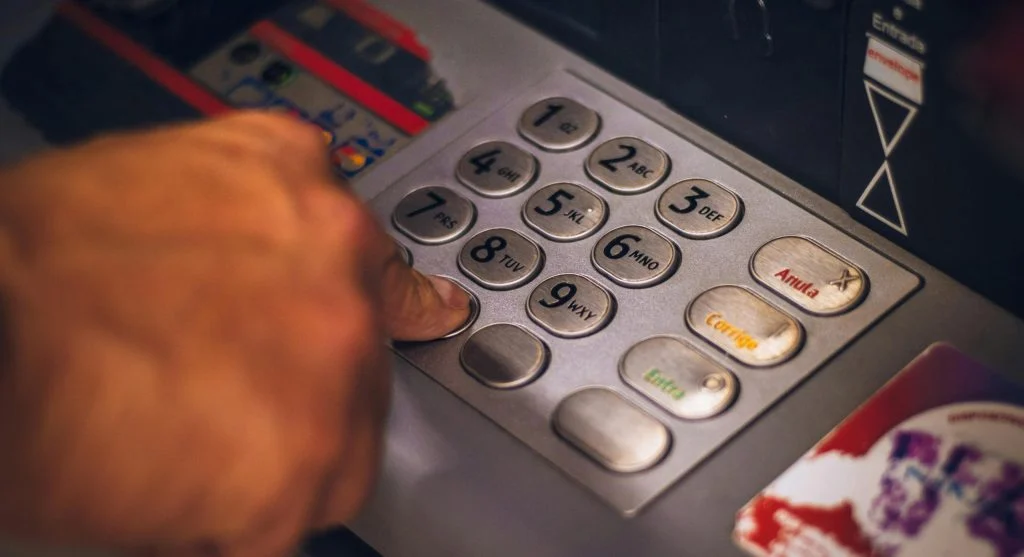
3. Cover the keypad every time you enter your PIN
Sri Lanka’s advisory says travelers should cover the keypad when entering their PIN, and Italy’s advisory includes official guidance to protect against ATM skimming risks.
This habit is simple, fast, and useful in almost any location. Even when the machine itself looks normal, shielding the keypad reduces one more avoidable exposure. That second sentence is an inference based on the official PIN-protection guidance.
4. Do not accept “help” from strangers at the machine
South Africa’s advisory warns that thieves may pretend to help travelers use a “broken” ATM and then steal their cards.
This supports a clear safety habit: if something feels wrong with the machine, stop the transaction and leave instead of letting a stranger become part of the process. That is an inference based directly on the official warning.
5. Stay alert before and after the withdrawal, not only during it
Angola’s advisory tells travelers to stay alert and aware of their surroundings when using ATMs and when departing banks and shopping centers. Trinidad and Tobago’s advisory also says travelers should stay alert when visiting banks and ATMs.
This matters because ATM safety does not end when the receipt prints. The walk to and from the machine is part of the risk too. That second sentence is an inference based on the official wording about using ATMs and departing nearby areas.
6. Keep your card in sight when you pay elsewhere too
South Africa’s advisory says travelers should not hand over a credit card to vendors and that the card reader should be brought to them. Ecuador’s advisory also says travelers should not let credit cards out of their sight to avoid skimming.
This supports a broader travel card-safety habit: ATM security and payment security belong together. A traveler who protects the card at the machine should protect it the same way in shops and restaurants. That is an inference grounded in the official skimming warnings.
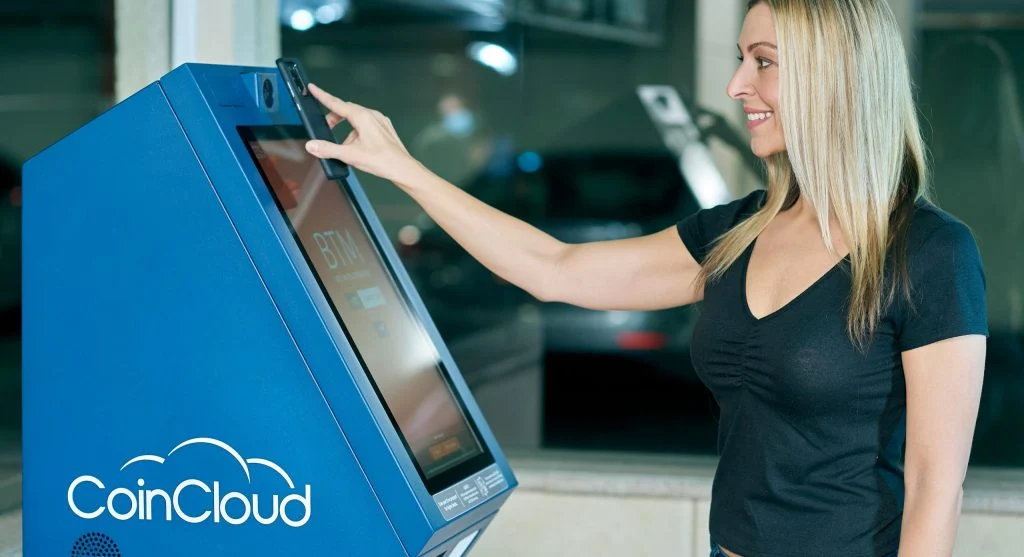
7. Monitor your account after using an ATM
Mexico’s advisory tells travelers to regularly check their accounts for unauthorized transactions. South Africa’s advisory also says travelers should monitor account statements after skimming risks.
This is one of the most practical ATM safety habits because early fraud checks can make a problem easier to catch and report. That second sentence is an inference based on the official guidance to monitor accounts.
8. Limit how much cash you carry after the withdrawal
Colombia’s travel advisory says travelers should limit the amount of cash they carry in public and in checking accounts, and Trinidad and Tobago’s advisory says travelers should not display signs of wealth such as cash, expensive watches, or jewelry.
That points to one final habit: a withdrawal should solve a practical need, not turn the rest of the day into a higher-risk situation. That is an inference based on the official advice to limit visible cash and signs of wealth.
Frequently Asked Questions
Q: What are the most useful ATM safety habits for travelers?
A: The most useful ATM safety habits include choosing safer locations, checking the reader for tampering, covering the keypad, refusing unsolicited help, staying alert before and after the withdrawal, keeping cards in sight, checking accounts afterward, and limiting visible cash.
Q: Where should travelers use an ATM abroad?
A: Mexico’s advisory says travelers should use ATMs in safe, well-lit areas, ideally within banks, and Colombia’s advisory says ATMs inside banks, shopping malls, or other protected locations are preferable.
Q: Why should travelers cover the keypad when entering a PIN?
A: Sri Lanka’s advisory specifically says travelers should cover the keypad when entering their PIN because ATM skimming is a risk
Q: Why should travelers check their accounts after using ATMs abroad?
A: Mexico’s advisory says travelers should regularly check their accounts for unauthorized transactions, and South Africa’s advisory also warns travelers to monitor statements because skimming is common.
Key Takeaway
Strong ATM safety habits help travelers protect cash and cards abroad by turning withdrawals into a more careful routine. Official travel advisories support using safer ATM locations, checking for tampering, covering the keypad, watching accounts, and limiting visible cash after a withdrawal. A safer transaction often depends on the steps taken before and after the machine itself.





Post Comment