8 Hotel Safety Habits That Help Travelers Feel More Secure Overnight
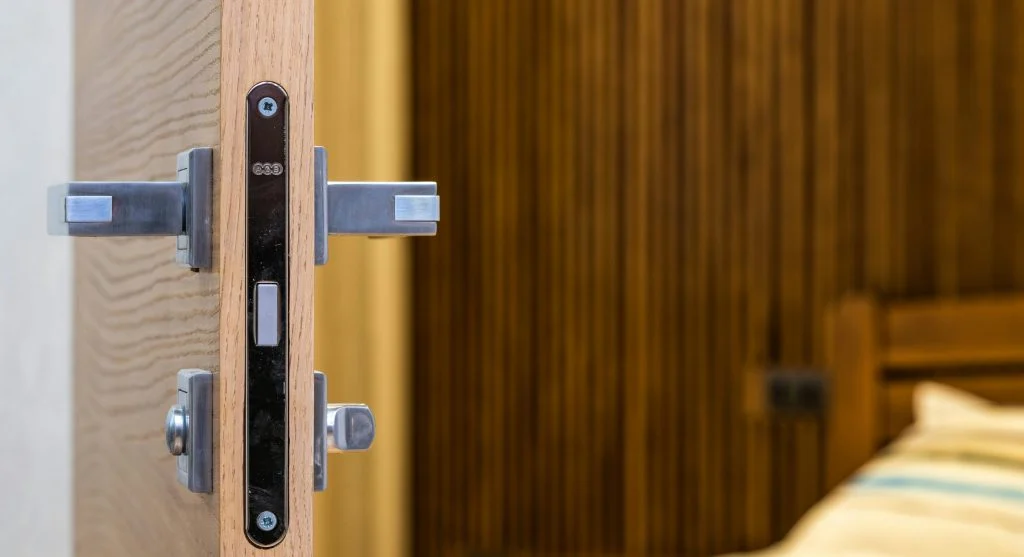
1. Research the hotel before you book it
One of the most useful hotel safety habits is choosing the property carefully before the trip begins. Travel.State.gov says travelers should research hotels and read reviews for safety concerns. Its lodging-safety guidance also says travelers should check crime rates in the area and consider hotels with 24-hour lobby service, gates, or security guards.
This matters because a safer stay often begins with a better location and a better building, not only with good behavior after check-in. That second sentence is an inference based on the State Department’s hotel-research guidance.
2. Stay near important services and transport links
Travel.State.gov’s lodging-safety page says travelers should try to stay near public transportation and important services. This usually helps travelers feel more secure because the area around the hotel becomes easier to understand and easier to leave if plans change. That practical benefit is an inference grounded in the official lodging-safety guidance.
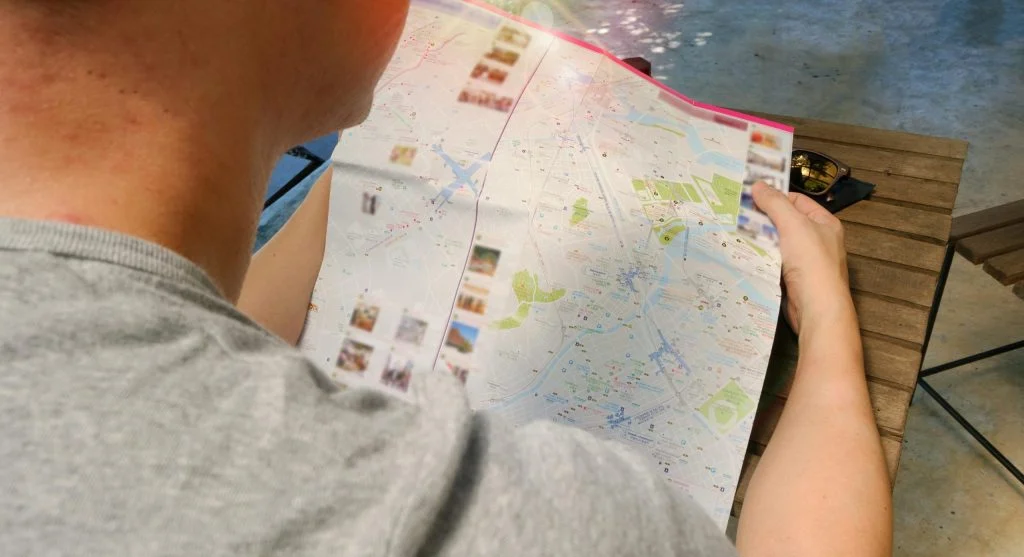
3. Keep hotel details private in public spaces
Travel.State.gov says travelers should not tell strangers where they are staying.
This supports a simple hotel security habit: do not say the room number loudly, do not discuss hotel details with strangers, and do not leave booking papers visible in shared areas. That is an inference based directly on the official advice not to share where you are staying.
4. Secure your key, passport, and ID as soon as you enter the room
Travel.State.gov says travelers should secure their keys, IDs, and personal items.
This is one of the strongest arrival routines because the first minutes in a room can feel rushed and disorganized. A simple place for the keycard, passport, wallet, and phone usually makes the whole stay feel more controlled. That second sentence is an inference grounded in the official advice to secure personal items.
5. Lock the room and check the basics before you relax
Travel.State.gov says travelers should lock doors and windows when they are in their hotel room.
That makes one practical habit very clear: once inside the room, secure the space before unpacking or lying down to rest. A calm first-minute room.
6. Meet unfamiliar visitors in the lobby, not in the room
Travel.State.gov’s lodging-safety guidance says travelers should always meet new visitors or strangers in the public lobby, not in their room. It also says travelers should contact the front desk immediately if they see suspicious activity.
This is a useful habit because it keeps boundaries clear and turns the hotel’s shared security structure into part of the traveler’s own safety plan. That second sentence is an inference based on the same official guidance.
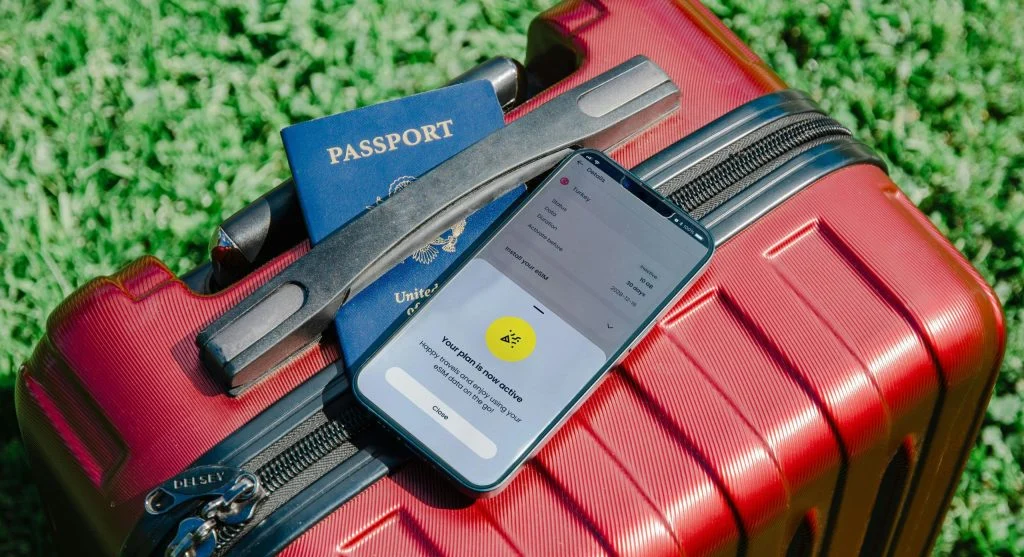
7. Keep the room number off social posts and public notes
Travel.State.gov says travelers should not tell strangers where they are staying, and that advice naturally applies to visible hotel details too. This supports a modern hotel-safety habit: avoid posting room details, printed check-in slips, or visible door numbers in photos or messages that do not need them. That is an inference based on the official guidance about protecting hotel information.
8. Let the first evening be about settling in, not rushing back out
Travel.State.gov’s broader travel-crime guidance emphasizes planning ahead, protecting personal items, and staying aware of surroundings while abroad.
That points to one final routine: let the first evening be about learning the room, understanding the area, and feeling oriented before adding unnecessary pressure. A calmer first night often creates a stronger rest of the stay. The second sentence is an inference grounded in the official security guidance.
Frequently Asked Questions
Q: What are the most useful hotel safety habits for travelers?
A: The most useful hotel safety habits include researching the property, staying near important services and transport, keeping hotel details private, securing keys and IDs, locking the room, and meeting unfamiliar visitors in the lobby instead of the room.
Q: Why should travelers stay near transport and important services?
A: Travel.State.gov’s lodging-safety page says travelers should try to stay near public transportation and important services.
Q: Why should travelers keep hotel details private?
A: Travel.State.gov says travelers should not tell strangers where they are staying.
Q: Should unfamiliar visitors come to a hotel room?
A: No. Travel.State.gov says travelers should always meet new visitors or strangers in the public lobby, not in their room.
Key Takeaway
Strong hotel safety habits help travelers feel more secure overnight by turning arrival and room use into a calmer routine. Official guidance supports researching the property, staying near important services, protecting hotel details, securing keys and IDs, and using the lobby for unfamiliar visitors. A safer hotel stay often begins with the first ten minutes after check-in.







Post Comment