8 Mealtime Habits That Help Family Trips Feel Easier With Children
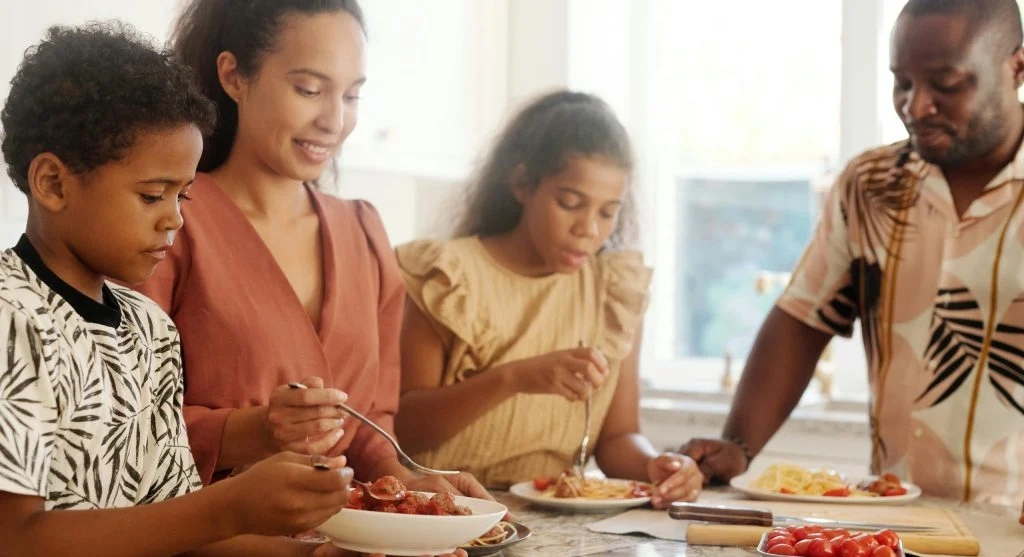
Strong mealtime habits can make family trips with children feel much easier. CDC says adults should make sure children follow safe food and water precautions, and it also notes that parents may want to bring safe, familiar snacks from home for times when children are hungry and suitable food is not available right away. CDC also says changes in schedule, activities, and environment can be stressful for children.
1. Carry safe and familiar snacks every travel day
One of the most helpful mealtime habits is keeping safe and familiar snacks nearby on every family travel day. CDC says parents may want to bring a supply of safe and familiar snacks from home for moments when children are hungry and the available food may not be appealing or safe.
This matters because food delays can quickly change the mood of a travel day. A simple snack routine often keeps hunger from becoming the problem that affects everything else. That second sentence is an inference based on CDC’s snack guidance for child travelers.
2. Keep meal timing steadier than the sightseeing schedule
CDC says changes in schedule and environment can be stressful for children.
That supports a strong family travel habit: keep meals on a steadier rhythm than the rest of the day whenever possible. Even when sightseeing plans shift, familiar eating times can help children feel more settled. This is an inference grounded in CDC’s guidance about stress from schedule changes.
3. Use the first meal after arrival to settle the day, not to do too much
A family trip often feels easier when the first meal after arrival is kept simple. Long food searches, confusing menus, or a late heavy plan can make the first day harder than it needs to be.
CDC’s guidance on travel stress in children supports this kind of calmer arrival routine. A simple meal soon after arrival often helps the day feel more stable before the family moves on to anything else. That second sentence is an inference based on CDC’s discussion of schedule and environment stress.
4. Treat hand cleaning as part of every food stop
CDC says adults should make sure children follow safe food and water precautions and wash their hands frequently to help prevent food-borne and waterborne illness.
This makes one practical family travel habit very clear: hand cleaning should be part of the eating routine, not something left for later if someone remembers. That conclusion follows directly from CDC’s food and handwashing guidance.
5. Keep child health items close during meals and travel breaks
CDC says diarrheal illnesses are among the most common travel-related problems affecting children and notes that infants and children with diarrhea can become dehydrated more quickly than adults.
This is why a mealtime routine often works better when water, wipes, and basic child health items are easy to reach. A simple pouch can make family meals easier to manage, especially on long travel days. That second sentence is an inference grounded in CDC’s discussion of gastrointestinal illness and dehydration in child travelers.
6. Let children know the meal plan before hunger becomes a problem
CDC says travelers can help reduce children’s travel stress by including them in planning.
That supports a useful family habit: tell children the broad meal plan early enough that the day feels predictable. Even a simple sentence about when the next meal or snack will happen can make the day feel more manageable. This is an inference based on CDC’s guidance about including children in travel planning.
7. Keep one backup meal option in mind every day
Not every family travel day goes according to plan. A useful mealtime habit is knowing one easy backup option in case the original meal idea does not work out.
CDC’s guidance about bringing familiar snacks supports this broader idea of meal backup planning. A simple fallback can keep the day from becoming much harder when timing changes. That second sentence is an inference based on CDC’s travel snack advice.
8. Do not overload the evening meal after a long travel day
CDC says changes in activities and environment can be stressful for children.
That supports one final family meal habit: after a long travel day, a calmer and simpler dinner often works better than turning the evening into another big event. A lighter ending usually helps the next morning begin more smoothly. The second sentence is an inference grounded in CDC’s discussion of travel stress in children.
Frequently Asked Questions
Q: What are the most useful mealtime habits on a family trip?
A: The most useful mealtime habits include carrying safe and familiar snacks, keeping meal timing steadier, cleaning hands before eating, keeping water and basic child health items close, and having a simple backup food plan. CDC’s family travel guidance supports all of these habits.
Q: Why do familiar snacks matter so much when traveling with children?
A: CDC says parents might want to bring safe and familiar snacks from home when suitable food might not be available right away.
Q: Why should meal timing stay steadier during a trip?
A: CDC says schedule changes can be stressful for children, so steadier meal timing can help the day feel more predictable.
Q: Why should families treat hand cleaning as part of meals?
A: CDC says adults should make sure children follow safe food and water precautions and wash their hands frequently to help prevent illness.




Post Comment