8 Bedtime Routine Habits That Help Family Trips Feel Calmer With Children
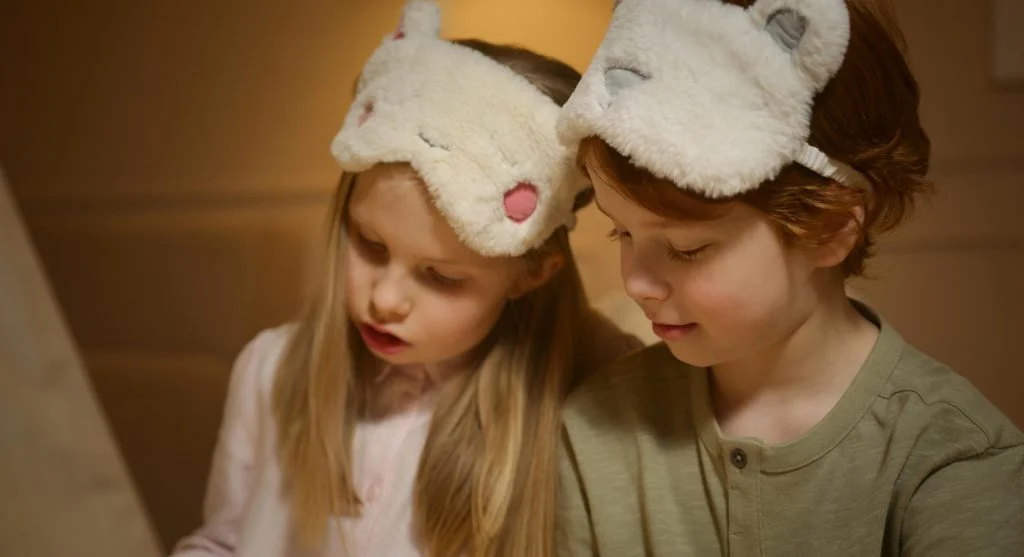
Strong bedtime routine habits can make family trips feel much calmer with children. CDC says changes in schedule, activities, and environment can be stressful for children, and it says travelers can help decrease that stress by including children in planning and bringing familiar toys or other objects.
1. Protect bedtime from becoming the busiest part of the day
One of the most useful bedtime routine habits is keeping the last part of the day lighter than the middle of it. Because CDC notes that schedule and environment changes can be stressful for children, a quieter evening often helps the trip feel steadier. That calmer-evening takeaway is an inference based on CDC’s guidance about travel stress in children.
2. Bring one familiar comfort item every night
CDC says travelers can help reduce children’s travel stress by bringing familiar toys or other objects.
This supports a simple family travel habit: keep one comfort item close at bedtime, even when luggage space is tight. A favorite small toy, blanket, or bedtime book often matters most when the room is new and the day has been long. That practical point is an inference grounded in CDC’s guidance.
3. Let children know the evening plan before bedtime arrives
CDC says including children in planning can help decrease travel stress.
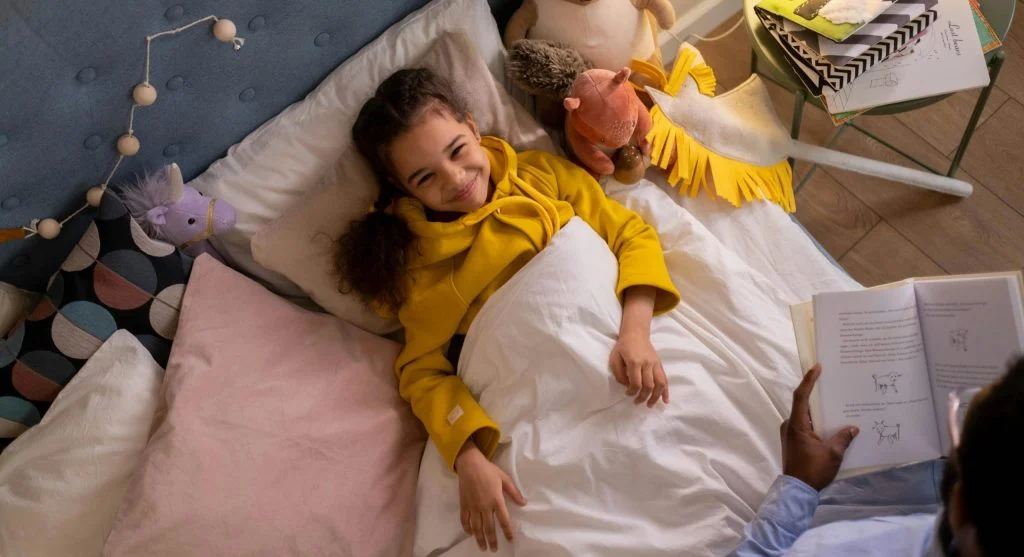
That makes one strong bedtime habit very practical: tell children the broad evening plan before everyone is already tired. Even a simple outline like snack, shower, story, and sleep can make a new place feel more predictable. This is an inference based on CDC’s guidance about including children in travel planning.
4. Keep safe drinks and simple child-care items easy to reach
CDC says diarrheal illnesses are among the most common travel-related problems affecting children and notes that infants and children with diarrhea can become dehydrated more quickly than adults. It also says adults should ensure children follow safe food and water precautions.
This is why bedtime often goes more smoothly when water, wipes, and basic child-care items stay easy to reach instead of buried in larger bags. That practical point is an inference grounded in CDC’s discussion of dehydration risk and safe food and water habits.
5. Keep the room setup simple and consistent
A hotel or rental room often feels less stressful when families create the same small setup each night. Because CDC says changes in environment can be stressful for children, a repeatable room pattern can help children feel more settled. That room-setup idea is an inference based on CDC’s guidance about environmental stress in children.
This can be as simple as keeping pajamas in one place, comfort items near the bed, and the bedtime sequence in the same order each evening. The goal is not perfection. The goal is familiarity.
6. Avoid turning late meals into late bedtimes
CDC says schedule changes can be stressful for children, and its family travel guidance emphasizes routine-supporting choices like familiar snacks and practical preparation.
That supports one useful family travel habit: keep dinner and evening snacks simple enough that bedtime does not slide too far later every night. This is an inference based on CDC’s guidance about travel stress from schedule changes.

7. Keep one backup bedtime plan for harder nights
CDC’s family travel guidance makes clear that children can experience stress from travel-related changes in schedule and environment.
That means some nights will simply go less smoothly than others. A useful bedtime routine habit is having one backup plan, such as a shorter story, quieter lighting, or an earlier return to the room when the day has been especially busy. This is an inference based on CDC’s guidance about stress and adjustment during travel.
8. Reset the next day before the adults go to sleep
CDC says travelers should assess anticipated travel activities and plan for child health and safety needs in advance. It also notes that caregivers should carry an adequate supply of medications for children who need them.
This supports one final evening habit: after children settle, take a few minutes to reset water, medicine, clothes, and next-morning essentials. A calmer morning often begins with a better bedtime routine the night before. That conclusion is an inference based on CDC’s broader family travel preparation guidance.
Frequently Asked Questions
Q: What are the most useful bedtime routine habits on a family trip?
A: The most useful bedtime routine habits include protecting the evening from too much activity, bringing familiar comfort items, explaining the evening plan to children, keeping water and basic child-care items close, and using a consistent room setup. CDC’s family travel guidance supports those routine-based choices.
Q: Why do familiar bedtime items matter so much during travel?
A: CDC says travelers can help reduce children’s travel stress by bringing familiar toys or other objects.
Q: Why should families try to keep bedtime predictable during a trip?
A: CDC says changes in schedule, activities, and environment can be stressful for children, so steadier bedtime patterns can help the trip feel calmer.
Q: Why should water and child-care basics stay easy to reach at night?
A: CDC says diarrheal illnesses are common in child travelers and that children can become dehydrated more quickly than adults.
Key Takeaway
Strong bedtime routine habits help family trips feel calmer with children because they reduce evening stress and make a new place feel more predictable. Official CDC guidance supports familiar objects, advance planning, child-focused preparation, and attention to hydration and health needs during travel. Small bedtime routines often shape the next day more than families expect.












Post Comment