8 Trail Break Habits That Help Outdoor Travelers Stay Steadier on Longer Hikes
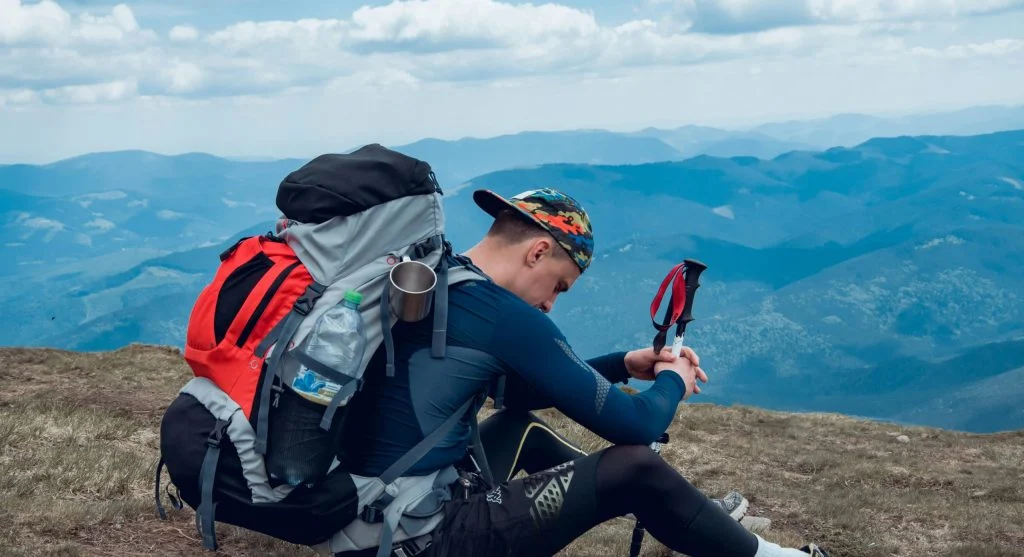
Strong trail break habits can make longer hikes feel steadier long before a hiker reaches the end of the trail. The National Park Service says hikers should pace themselves, take breaks often, and pay attention to how they feel on the trail. Mount Rainier National Park also says hikers should take plenty of breaks and rest in the shade during hot conditions.
1. Treat breaks as part of the hike, not as a delay
One of the most useful trail break habits is thinking of breaks as part of the plan instead of something that only happens when the day starts going badly. Great Smoky Mountains National Park says hikers should take breaks often, and Grand Canyon National Park says a ten-minute break at least every hour can help hikers recharge.
This matters because hikers often make better decisions when rest is built into the route rather than postponed until they already feel worn down. That second point is an inference based on the NPS guidance above.
2. Start slowly so the first break comes before fatigue builds
Mount Rainier National Park says hikers should pace themselves, start slowly, and pick up the pace gradually. Great Smoky Mountains National Park also says the slowest hiker should set the pace and that if hikers can still talk while walking, the pace is about right.
This supports a simple break habit: do not let the first hour become the hardest hour. A steadier start often makes later breaks feel more effective and the whole day feel more manageable. That is an inference grounded in the official pacing guidance.
3. Pair every break with water before you feel thirsty
Mount Rainier National Park says hikers should drink plenty of water, stay hydrated, and drink before they feel thirsty. Saguaro National Park also says hikers should take water breaks often and drink even if they do not feel thirsty, noting that thirst can already mean dehydration is starting.
This is one of the strongest trail break habits because rest stops work better when they include hydration instead of only sitting down. That practical point is an inference based on the official hydration guidance.
4. Use shaded breaks when heat becomes part of the challenge
Mount Rainier National Park says hikers should rest in the shade or cool down in air conditioning during hot weather. NOAA’s heat guidance also says people should reduce time in the sun during the warmest part of the day and stay hydrated.
This matters because not all trail breaks offer the same recovery value. A short shaded stop can often do more for comfort and pacing than a longer break in full sun. That second sentence is an inference grounded in the official heat-safety guidance.
5. Eat a little during breaks instead of waiting too long
Grand Canyon National Park says hikers should eat often and drink fluids during breaks, while Hawaiʻi Volcanoes National Park says hikers should carry food even for day hikes. White Sands also recommends high-energy snacks such as fruit, nuts, and energy bars.
This supports a useful break routine: let short food stops happen before energy drops too far. That is an inference based on the official guidance to eat during trail breaks and carry food on hikes.
6. Let the slowest person influence the break timing
Great Smoky Mountains National Park says hikers should let the slowest hiker set the pace, always stay together, and take breaks often.
This means break timing often works best when it is shaped by how the whole group is doing, not only by the strongest hiker. That is an inference based directly on the NPS group-pacing guidance.
7. Use breaks to recheck time and distance, not only to rest
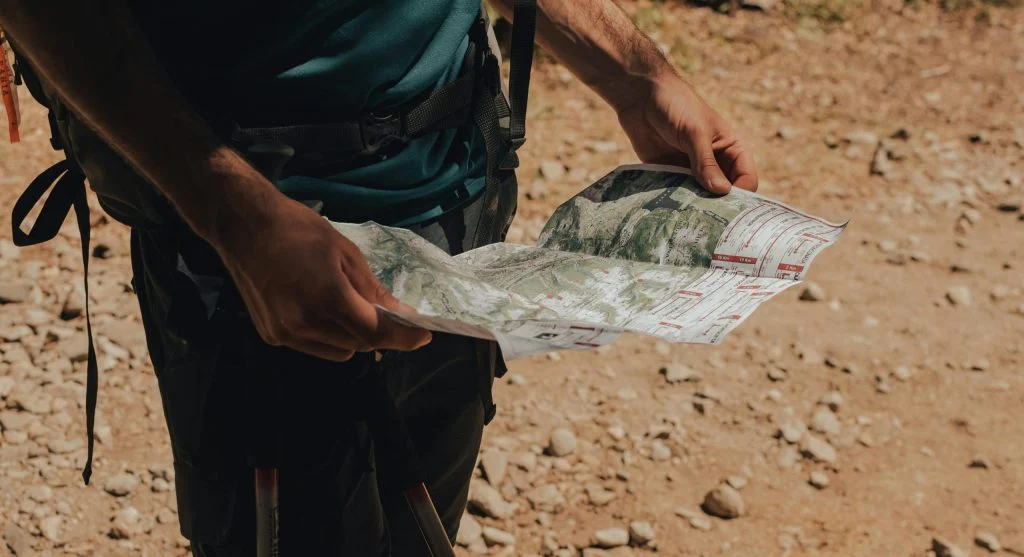
Great Smoky Mountains National Park says hikers should keep track of time and distance and set a turn-around time if the trip is taking longer than planned. NPS Hike Smart guidance also says hikers should remember that total hike time includes both the way out and the way back.
This makes every good break a chance to ask whether the plan still fits the day. That second sentence is an inference based on the official timing and turn-around guidance.
8. Finish breaks before they become too long
Grand Canyon National Park says ten-minute breaks can recharge hikers and that in the long run, breaks will not slow them down.
This supports one final habit: breaks usually help most when they are regular, useful, and long enough to recover without losing momentum. That is an inference grounded in the official Grand Canyon break guidance.
Q: What are the most useful trail break habits on longer hikes?
A: The most useful trail break habits include taking breaks often, starting at a slower pace, drinking before feeling thirsty, using shade during heat, eating during breaks, and rechecking time and distance while resting.
Q: Why should hikers drink before they feel thirsty?
A: Mount Rainier National Park says hikers should drink before they feel thirsty, and Saguaro National Park says thirst can already mean dehydration is beginning.
Q: How often should hikers take breaks?
A: Grand Canyon National Park says a break of ten minutes at least every hour can help hikers recharge.
Q: Why does shade matter so much during trail breaks?
A: Mount Rainier National Park says hikers should rest in the shade during hot weather, and NOAA advises reducing time in the sun during the warmest part of the day.
Key Takeaway
Strong trail break habits help outdoor travelers stay steadier on longer hikes by turning rest, water, food, and timing into part of the route itself. Official guidance supports taking breaks often, hydrating before thirst, using shade in heat, and checking time and distance during stops. A better hiking day often depends on how well the breaks are used.










Post Comment