8 Weather-Shift Habits That Help Outdoor Travelers Adjust Faster on the Trail
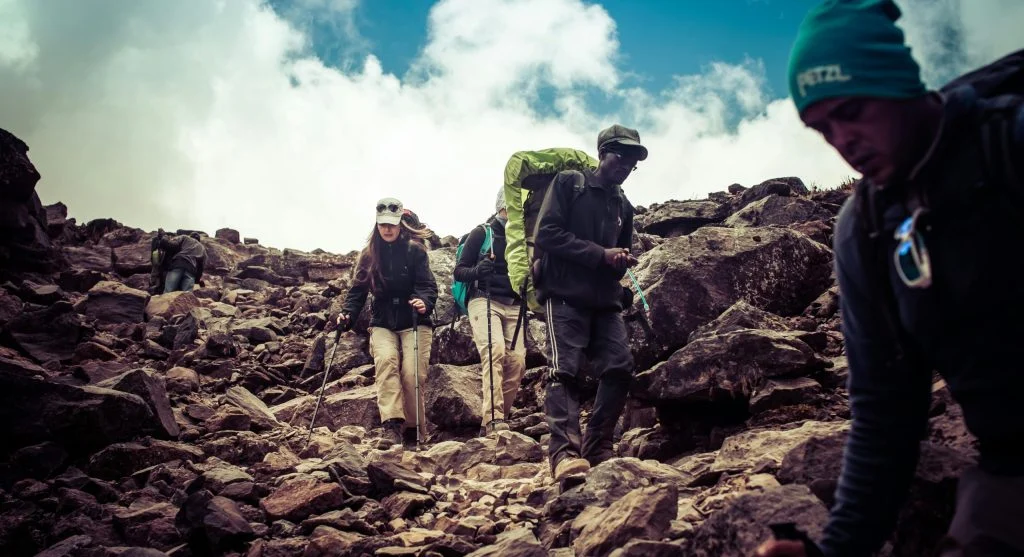
Strong weather-shift habits can make outdoor trips feel much safer when the trail no longer matches the forecast. The National Park Service says hikers should plan ahead, check the weather, and always carry the Ten Essentials, while NOAA says outdoor activities can become dangerous because of weather hazards and notes that thunderstorms often build later in the day.
1. Expect the forecast to change after the hike begins
One of the most useful weather-shift habits is beginning the day with the expectation that conditions may change. Great Smoky Mountains National Park says hikers should be ready for sudden weather changes, including cool, wet, and windy conditions that can lead to hypothermia even in summer.
This matters because hikers often make better decisions when changing conditions feel like part of the plan, not a surprise. That second sentence is an inference based on NPS guidance about sudden weather changes.
2. Check the weather twice and build a Plan B
Another strong trail habit is checking the weather more than once. NOAA says hikers should plan outings to avoid times when thunderstorms are possible, which typically form in the late afternoon. NPS winter-weather guidance also says travelers should have a Plan B because weather can change quickly and conditions may become too hazardous.
This means checking the weather the night before helps shape the plan, while checking again before leaving helps confirm whether the route still makes sense. That practical takeaway is an inference based on the same official guidance.

3. Carry the Ten Essentials even when the day looks easy
The National Park Service says the Ten Essentials are basic first-aid and emergency items that help with minor injuries, sudden weather changes, and unexpected delays. It also says hikers should carry them even on short sightseeing hikes.
This is especially important on days when the trail starts calmly, because an easy beginning can make hikers underestimate what later weather may feel like. That second sentence is an inference grounded in the NPS explanation of why the Ten Essentials matter.
4. Keep extra layers easy to reach, not buried in the pack
Great Smoky Mountains National Park warns that cool, wet, and windy conditions can lead to hypothermia even in summer. The NPS Outdoor Emergency Plan also says travelers should keep warm when temperatures change throughout the day by putting on extra layers when needed.
A simple weather-shift habit is packing insulation where it can be reached quickly. That helps hikers respond early instead of waiting until they already feel cold and uncomfortable. This is an inference based on the official NPS guidance.
5. Let the weather shape timing, not only distance
NOAA says hikers should avoid the part of the day when thunderstorms are most likely, and NPS says hikers should keep track of time and distance and set a turn-around time if the trip is taking longer than planned.
This matters because poor trail decisions often begin when hikers focus only on reaching the next point instead of noticing how the day is changing around them. That second sentence is an inference based on NOAA and NPS timing guidance.
6. Change the plan early instead of waiting for perfect certainty
NPS weather guidance says travelers should stay flexible with their trip plan because weather can change quickly. It also says it is okay to stay indoors or choose an alternative activity if conditions are too hazardous.
This is one of the strongest outdoor habits because making changes early is usually easier than dealing with the consequences of a bad choice later. That second sentence is an inference grounded in the official Plan B guidance.
7. Check park updates before and during the trip
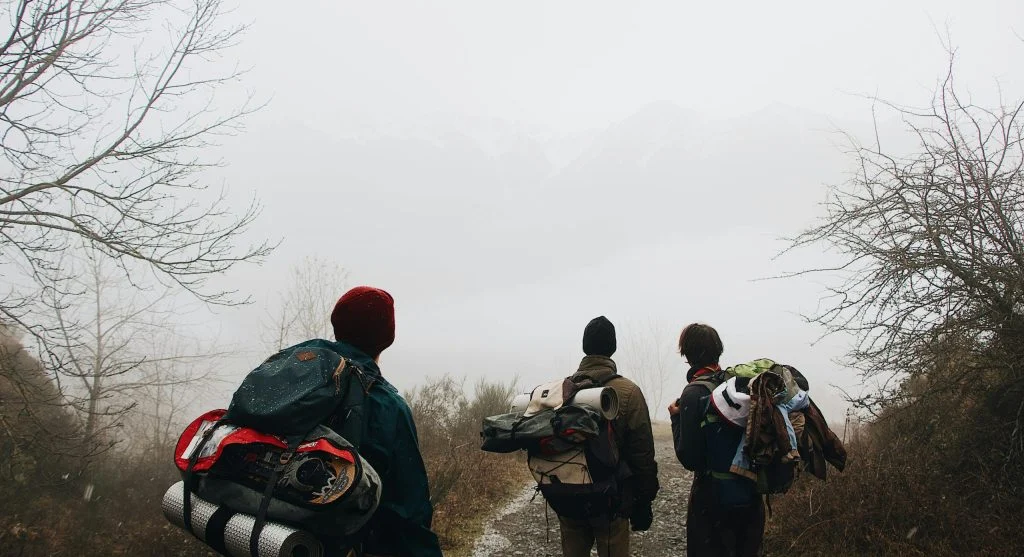
The National Park Service says travelers should check park websites, the NPS App, park social media, or ask park rangers about closures, hazards, or expected weather changes.
This helps because local conditions can change faster than a general trip idea. A route that sounded fine earlier may feel different once new hazard information appears. That final point is an inference based on the NPS advice to monitor closures and hazards.
8. Review the day afterward and improve the next one
The NPS Trip Planning Guide says visitors should fill out a trip plan template, practice an emergency plan, and keep learning how to get the most out of a visit. That supports improving future outings after each trail day.
A short review of timing, layers, route choices, and weather decisions often makes the next outdoor day smoother and safer. That is an inference based on the official trip-planning framework.
Frequently Asked Questions
Q: What are the most useful weather-shift habits on the trail?
A: The most useful weather-shift habits include expecting conditions to change, checking the forecast more than once, carrying the Ten Essentials, keeping extra layers accessible, adjusting timing early, and using a backup plan when needed.
Q: Why do hikers need extra layers even in warmer seasons?
A: Great Smoky Mountains National Park says cool, wet, and windy conditions can lead to hypothermia even in summer.
Q: Why is checking park updates so important?
A: The National Park Service says travelers should check park websites, the NPS App, park social media, or ask rangers for closures, hazards, or expected weather changes.
Q: Why should hikers be ready to change the plan?
A: NPS weather guidance says travelers should be flexible because weather can change quickly, and it is okay to choose an alternative activity or stay indoors if conditions become too hazardous.












Post Comment