8 Photo Etiquette Habits That Help Travelers Respect Places More Thoughtfully
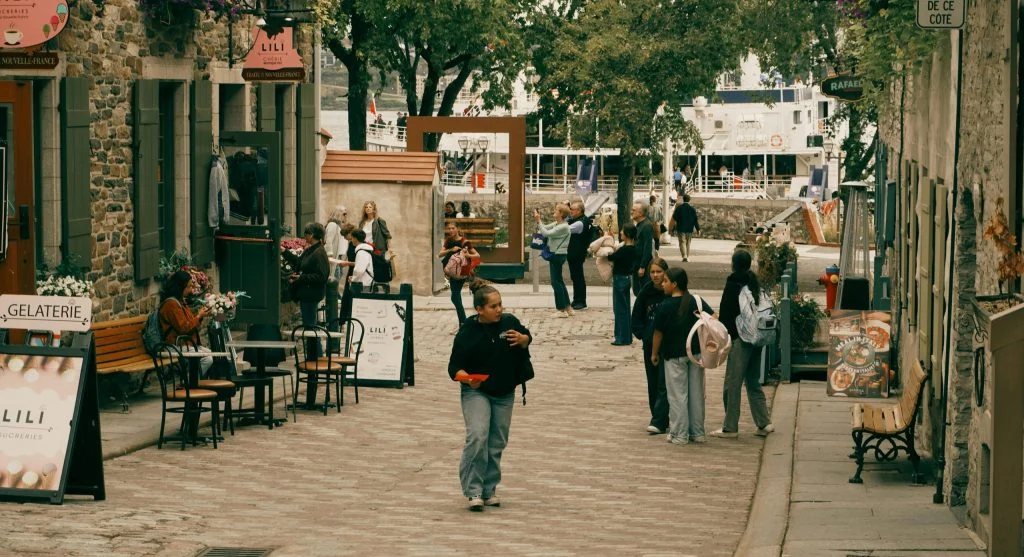
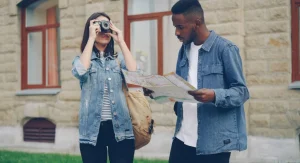
Strong photo etiquette habits can help travelers enjoy pictures without making the place feel less comfortable for everyone else. Travel.State.gov says travelers should learn local laws and customs, keep a low profile, and be mindful of their surroundings while overseas. It also says travelers must follow local laws abroad, even when those rules differ from home.
1. Learn the local rules before taking out the camera
One of the most useful photo etiquette habits is checking local laws and customs before the trip begins. Travel.State.gov says travelers should review local laws and customs on destination pages, and it warns that breaking laws abroad can lead to deportation, fines, or imprisonment.
This matters because photography rules can change from place to place. A traveler who assumes every public place allows the same kind of pictures often creates avoidable problems. That second sentence is an inference based on the official guidance to review destination laws and customs in advance.
2. Keep a lower profile while taking pictures
Travel.State.gov says travelers should keep a low profile and be mindful of their surroundings.
In practical travel photography terms, that often means taking pictures calmly, avoiding flashy behavior, and not turning one short photo stop into a scene that pulls attention away from the place itself. This is an inference grounded in the official low-profile guidance.
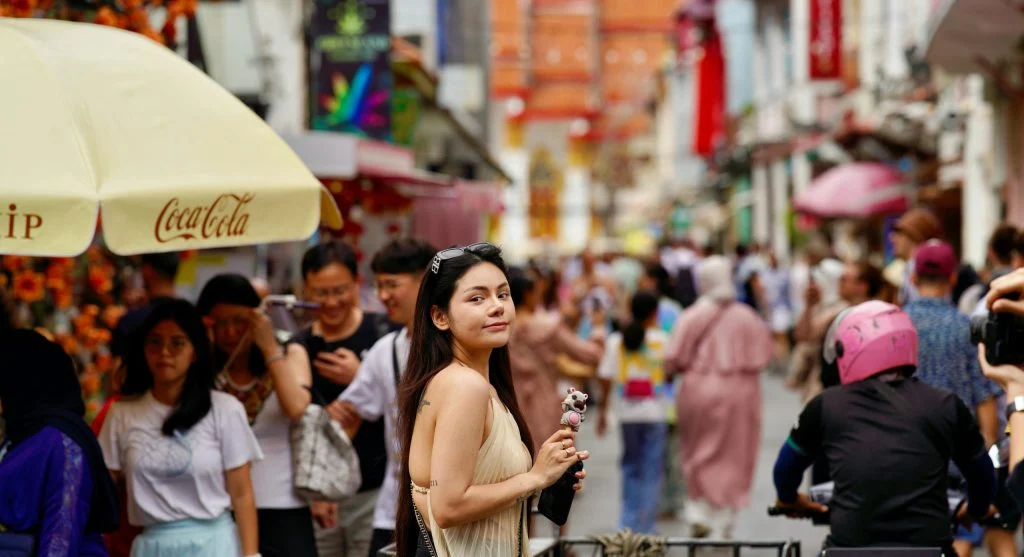
3. Step aside before you stop for a photo
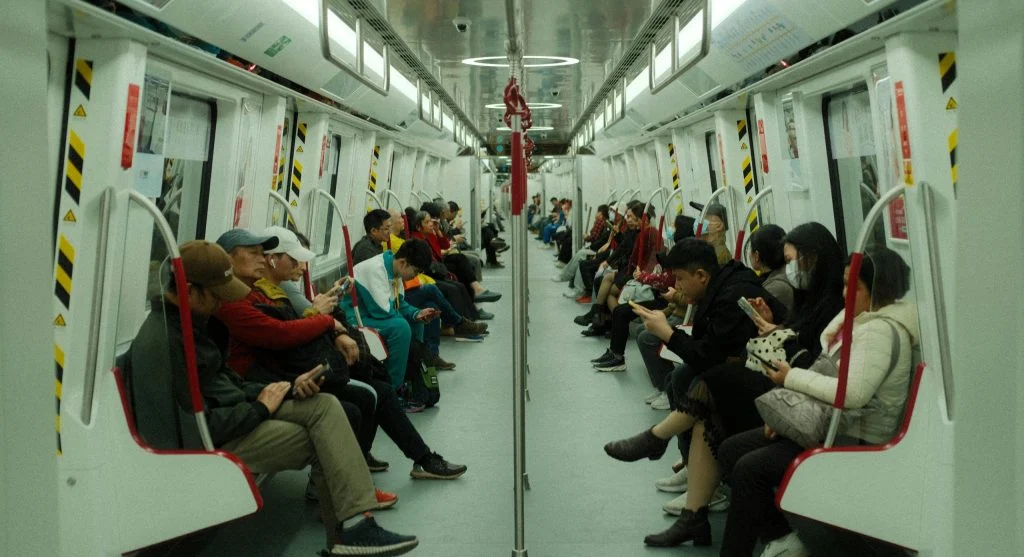
Many photo problems begin when travelers stop suddenly in the middle of a walkway, station entrance, or staircase. Travel.State.gov’s broader safety guidance says travelers should be mindful of their surroundings, and that principle applies strongly in shared public spaces.
A better habit is moving to the side before lifting the phone or camera. That keeps foot traffic clear and usually makes the picture easier to take as well. The second sentence is an inference based on the same official guidance about awareness in public spaces.
4. Do not make strangers the center of the shot without care
Travel.State.gov says travelers should learn local laws and customs and follow them while abroad.
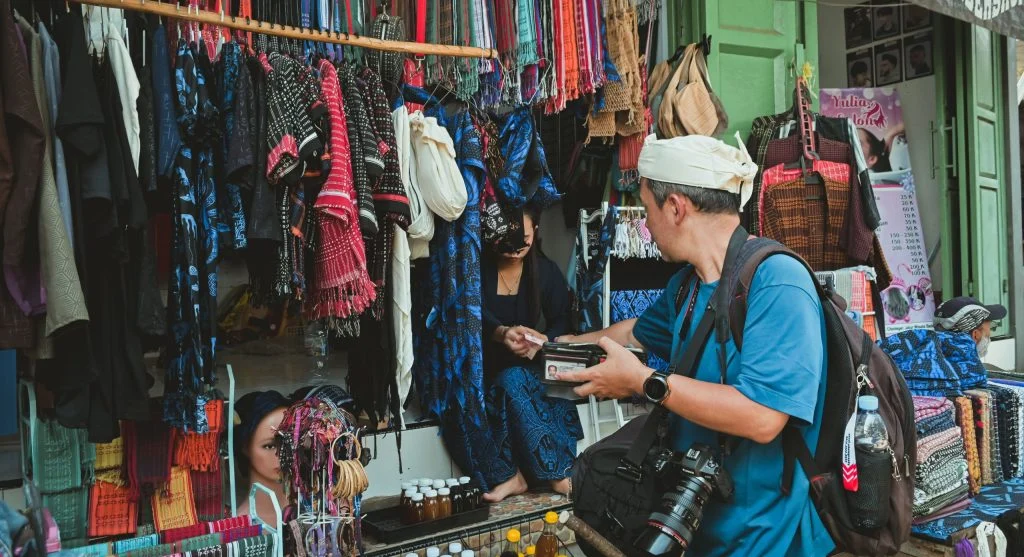
That supports a simple etiquette habit: if a photo is really about a person rather than the place, take more care. In many settings, a wider scene or more distance is more respectful than making someone the main subject without thought. This is an inference grounded in the official guidance to respect local customs and laws.
5. Keep private details out of the frame
Travel.State.gov’s crime guidance says travelers should not tell strangers where they are staying.
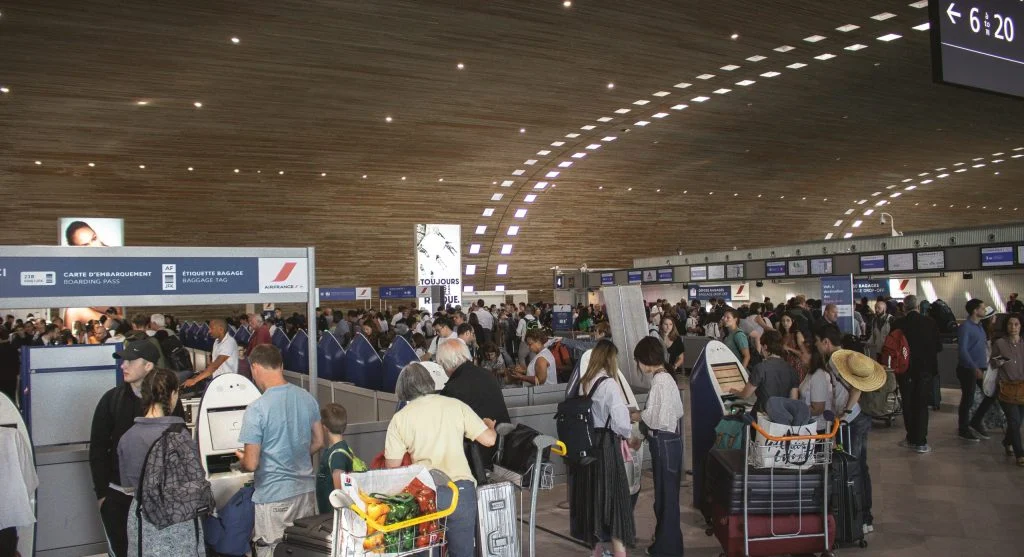
That also supports a modern photo habit: avoid posting hotel names, room details, boarding passes, passports, or other visible personal information in travel pictures. This is an inference based on the official advice to protect lodging details and personal items.
6. Respect places that feel quiet, formal, or sensitive
Travel.State.gov says travelers should learn about their destination, review local laws, and use official embassy and advisory guidance before they go.
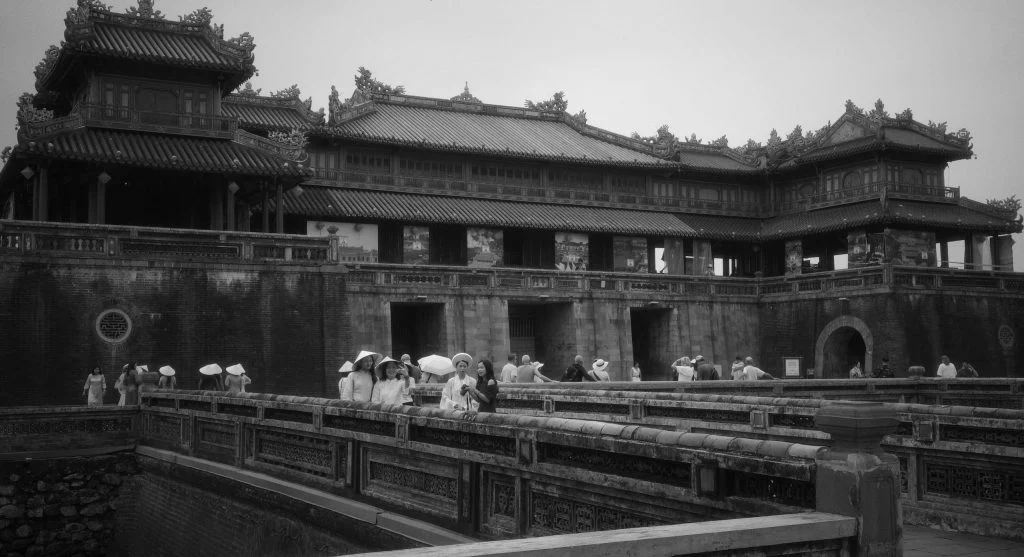
This matters because not every travel setting invites the same kind of photography. Religious spaces, memorial areas, official buildings, and quieter cultural places often call for more restraint than a busy street or open square. That is an inference based on the official advice to understand destination-specific customs and rules before visiting.
Credit: Quang Bach / Pexels
7. Let one photo be enough sometimes
Travel etiquette often improves when travelers stop treating every scene like a long photo session. A quicker, calmer approach usually leaves more room for other people to enjoy the same place.
Travel.State.gov’s low-profile and awareness guidance supports that kind of restraint. A traveler who does not overtake the space often blends in more naturally and causes less friction. This is an inference grounded in the official low-profile guidance.
8. Remember that respect matters more than the picture
Travel.State.gov says travelers must follow local laws abroad and should review the rules for any place they are traveling to, even if they are only passing through.
That leads to one final habit: when a picture feels uncertain, respect should decide the moment. Travelers usually lose very little by taking one less photo, but they can lose a lot by ignoring the tone, rules, or comfort of the place around them. The second sentence is an inference based on the official laws-abroad guidance.
Frequently Asked Questions
Q: What are the most useful photo etiquette habits while traveling?
A: The most useful photo etiquette habits include learning local rules, keeping a lower profile, stepping aside before stopping, protecting private details, and showing more restraint in quiet or sensitive places. :contentReference[oaicite:16]{index=16}
Q: Why should travelers learn local laws before taking photos abroad?
A: Travel.State.gov says travelers must follow local laws abroad, and breaking them can lead to deportation, fines, or imprisonment. :contentReference[oaicite:17]{index=17}
Q: Why should travelers avoid showing hotel or document details in travel photos?
A: Travel.State.gov says travelers should not tell strangers where they are staying, which supports keeping hotel details and personal information out of visible travel images. :contentReference[oaicite:18]{index=18}
Q: Why does keeping a low profile matter in travel photography?
A: Travel.State.gov advises travelers to keep a low profile and be mindful of their surroundings, which supports calmer and more respectful photo behavior in shared spaces. :contentReference[oaicite:19]{index=19}
Key Takeaway
Strong photo etiquette habits help travelers respect places more thoughtfully by turning awareness into simple daily choices. Official guidance supports learning local laws and customs, keeping a low profile, protecting private details, and staying mindful of shared spaces. A better travel photo often starts with more respect, not more camera time.



Post Comment