8 Queue Etiquette Habits That Help Travelers Move More Respectfully Through Busy Places
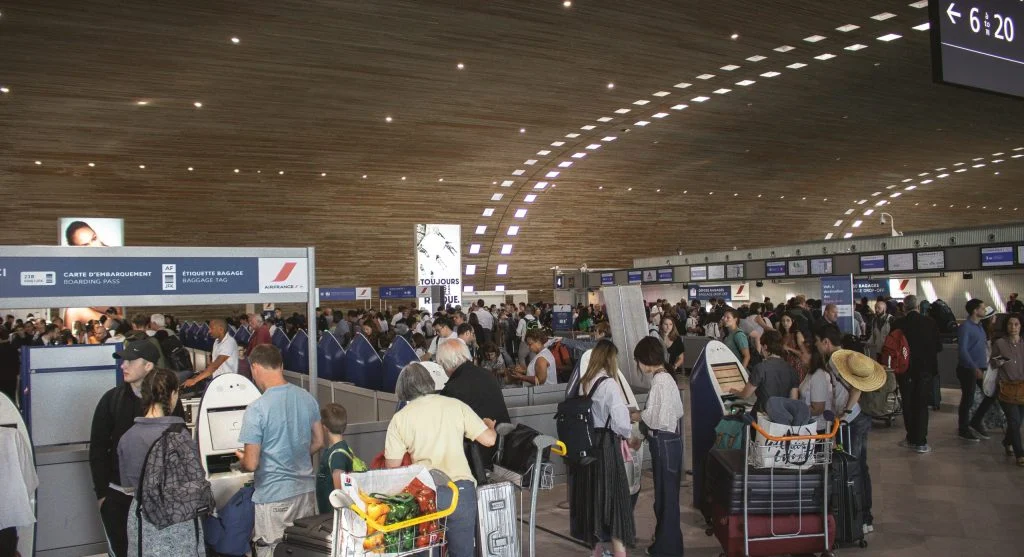
Strong queue etiquette habits can help travelers move through busy places with more respect and less friction. Travel.State.gov says travelers should learn local laws and customs, keep a low profile, and be mindful of their surroundings while overseas. SafeTravel also says local laws and social customs can be different from what travelers are used to at home.
1. Watch the line for a moment before joining it
One of the most useful queue etiquette habits is observing before stepping in. Travel.State.gov says travelers should be mindful of their surroundings, and SafeTravel says local laws and social customs can differ from home. That supports a simple travel rule: in an unfamiliar place, it often helps to watch how people line up before assuming the pattern is obvious.
This matters because queue behavior is often more local than travelers expect. A quick pause can show whether people line up in one file, wait by number, form smaller side lines, or leave room for others to exit first. That second sentence is an inference based on the official guidance to pay attention to local customs and surroundings.
2. Let local customs shape your place in the line
Travel.State.gov says travelers must follow local laws while abroad and should learn local customs. SafeTravel similarly advises travelers to remember that local laws and social customs may differ from what they know at home.
That means respectful waiting often starts with accepting that the line may not work exactly like it does at home. A traveler who adapts to the local rhythm usually creates less tension in busy places. That conclusion is an inference grounded in the same official guidance.
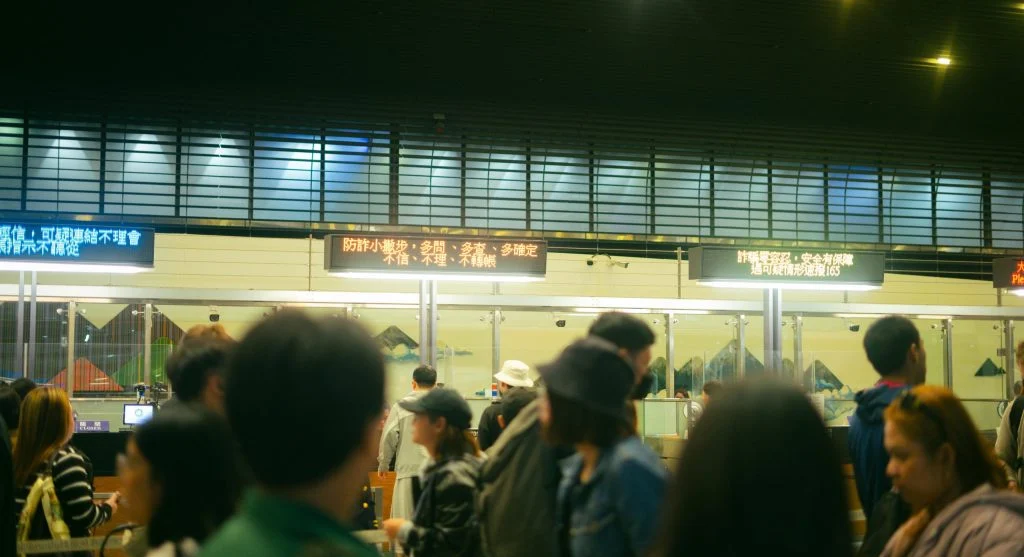
3. Keep bags and luggage inside your own footprint
Travel.State.gov says travelers should be mindful of their surroundings, and its general safety guidance also tells travelers to keep a low profile.
In queue terms, that often means keeping backpacks, suitcases, and shopping bags close enough that they do not block walkways, counters, or exits. That practical point is an inference based on the official guidance about awareness and low-profile public behavior.
4. Step aside for phone checks instead of stopping the whole line
Travel.State.gov’s crime guidance says travelers should download offline map apps so they can navigate without internet connection.
That guidance supports a useful etiquette habit too: if a traveler needs to check directions, booking details, or messages, it often works better to step out of the flow for a moment instead of freezing the line behind them. This is an inference based on the same official emphasis on preparation and awareness.
5. Keep public volume lower than feels natural
Travel.State.gov says travelers should keep a low profile, and U.K. FCDO guidance for Pakistan notes that loud or rowdy behavior in public is likely to attract a negative response and that being considerate of others is important in local culture.
This matters in lines because waiting spaces often concentrate stress, noise, and movement in a small area. A quieter tone usually makes those crowded moments easier for everyone around you. That second sentence is an inference based on the official low-profile and considerate-behavior guidance.
6. Respect the people who are getting out before you move in
Travel.State.gov says travelers should be mindful of their surroundings, while SafeTravel says travelers should look out for risks and suspicious behavior and remember that local norms can differ.
That supports a simple shared-space habit: in stations, lifts, buses, and venue entrances, letting people exit first often keeps the line moving more smoothly than pressing forward early. This is an inference based on the same official awareness guidance.
7. Keep valuables less visible while waiting
Travel.State.gov’s advisories often tell travelers to keep a low profile, stay aware of their surroundings, and avoid displaying signs of wealth such as phones, jewelry, or expensive items.
This is partly a safety habit, but it also affects etiquette. A lower-visibility style usually makes waiting spaces feel calmer and helps travelers blend in more naturally instead of drawing unnecessary attention. That is an inference based on the official low-profile and anti-display guidance.
8. Let patience matter more than being first
Travel.State.gov says travelers should learn the destination, follow local laws, and stay mindful of their surroundings while abroad.
That points to one final queue habit: respectful waiting is often less about speed and more about patience. Travelers usually make a better impression when they adapt to the place instead of trying to force the line to work their way. That conclusion is an inference based on the official laws, customs, and awareness guidance.
Frequently Asked Questions
Q: What are the most useful queue etiquette habits while traveling?
A: The most useful queue etiquette habits include observing first, following local line customs, keeping bags close, stepping aside for phone checks, lowering public volume, and staying patient in shared waiting spaces.
Q: Why should travelers learn local customs before using lines and waiting spaces?
A: Travel.State.gov says travelers should learn local laws and customs, and SafeTravel says local laws and social customs can differ from home.
Q: Why does keeping a low profile matter in busy lines?
A: Travel.State.gov advises travelers to keep a low profile, and some official travel advice also warns that loud or rowdy public behavior can attract a negative response.
Q: Why should travelers keep valuables less visible while waiting?
A: Travel.State.gov advisories often tell travelers to keep a low profile and avoid displaying signs of wealth while staying aware of their surroundings.
Key Takeaway
Strong queue etiquette habits help travelers move more respectfully through busy places by turning patience and awareness into simple public behavior. Official guidance supports learning local customs, keeping a low profile, and staying mindful of surroundings. Small waiting-line choices often shape how respectful a traveler feels to everyone nearby.






Post Comment