8 Day-Bag Habits That Help Travelers Stay More Organized Between Morning and Evening
1. Keep the most important items in the same place every day
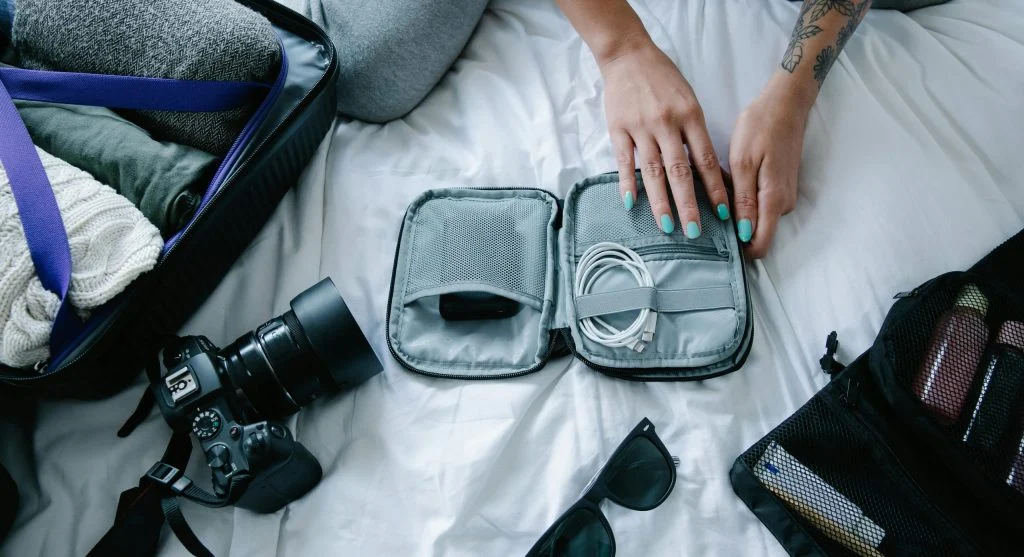
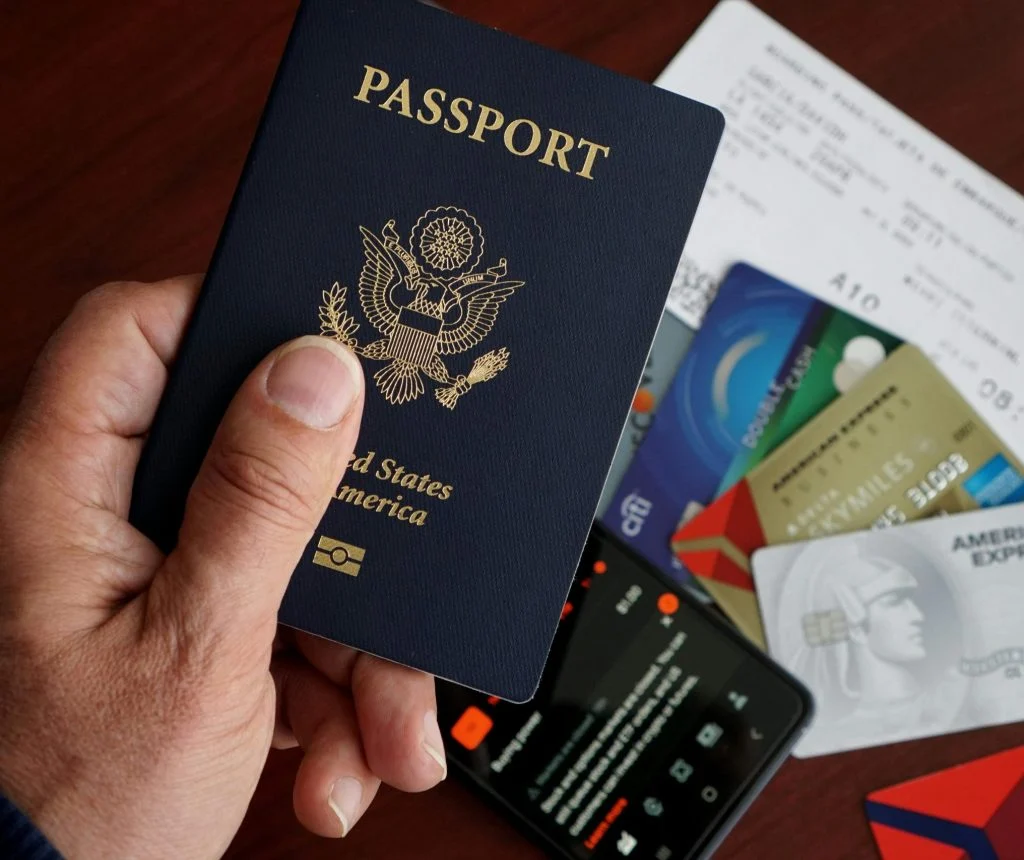
One of the most useful day-bag habits is giving the most important items one reliable home inside the bag. Travel.State.gov’s International Travel Checklist emphasizes organizing key travel documents before departure, including passports, medications, and other essential paperwork.
This supports a simple daily routine too. When a traveler uses the same pocket or pouch for the most important items each day, the bag usually feels easier to manage and quicker to check before leaving. That second sentence is an inference based on the checklist’s emphasis on organized essentials.
2. Separate documents from everything else
Travel.State.gov says travelers should organize important travel documents before departure and review whether they need a passport, visa, electronic travel authorization, medications, and child-travel paperwork.
This makes one practical bag habit very clear: daily documents usually work better in their own pouch or section instead of mixing with snacks, chargers, and receipts. That is an inference grounded in the State Department’s document-organization guidance.
3. Pack liquids for access, not only for space
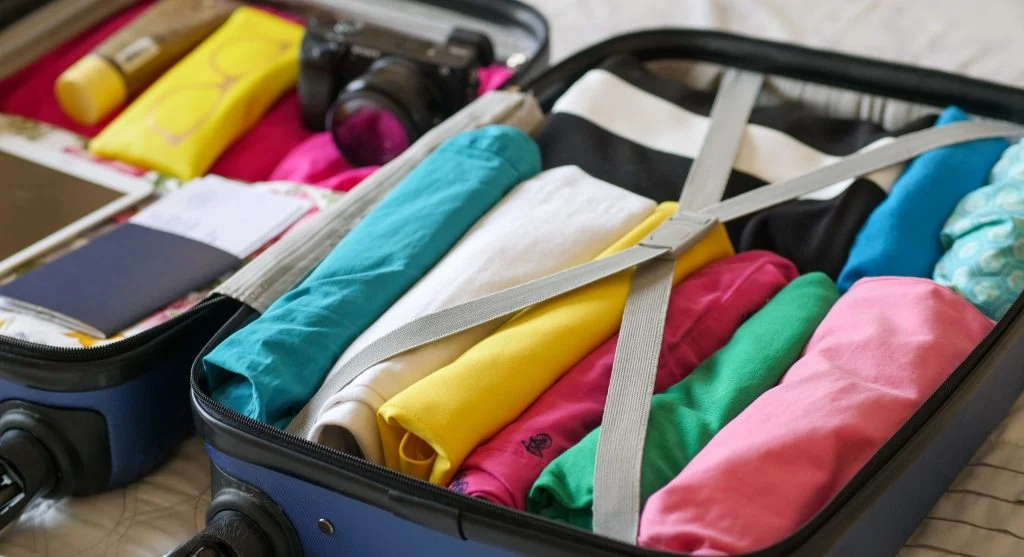
TSA says travelers should place the 3-1-1 bag with liquids, gels, and aerosols in the front pocket of their carry-on and says liquids in carry-on bags must follow the 3.4-ounce, or 100-milliliter, limit inside a quart-sized bag.
Even beyond airport screening, this supports a useful daily travel habit: the items most likely to be needed quickly should not be buried under everything else. That is an inference based on TSA’s accessibility guidance.
4. Keep electronics where they can be reached quickly
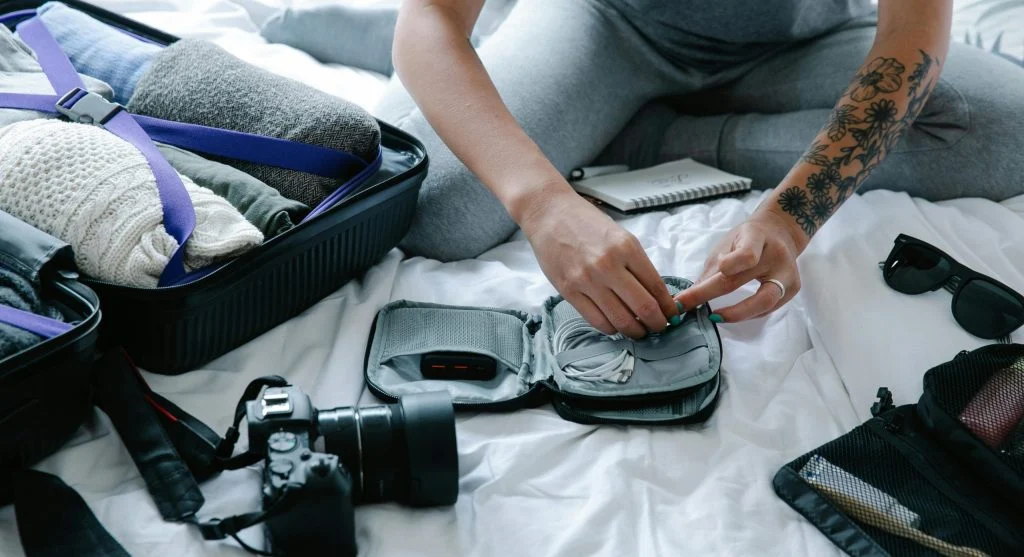
TSA says travelers should pack large electronics on the top layer of the carry-on for screening accessibility.
This idea also works well for day-bag organization. Chargers, power banks, and other often-used tech items usually create less stress when they are easy to reach instead of packed under heavier items. That is an inference grounded in TSA’s accessibility advice for electronics.
5. Check medication needs before leaving the room
Travel.State.gov says the international travel checklist includes medications among the important items travelers should organize before departure. Its medicine guidance also says travelers should verify medication rules for the countries they plan to visit or pass through and pack enough medicine for the trip.
This supports a strong daily bag habit: medication should be part of the going-out check, not only the main packing list. That conclusion is an inference based on the State Department’s medication guidance.
6. Use a short bag reset before going out each morning
TSA’s travel checklist and Travel.State.gov’s international checklist both turn travel prep into repeatable steps rather than one-time decisions.
That supports a useful routine: before leaving in the morning, do one short bag reset for documents, liquids, chargers, and essentials. A small reset often catches the details that otherwise create friction later in the day. That is an inference based on the structure of the official checklists.
7. Review food and liquid items before moving through screening or transit
TSA says liquid or gel food items larger than 3.4 ounces are not allowed in carry-on bags and should be placed in checked bags if possible. It also notes that some food items may require additional screening.
This is useful because snacks and drinks often seem harmless until they become the items that slow the traveler down. That practical takeaway is an inference based on TSA’s food and liquid screening guidance.
8. End the day by setting up the next one
TSA’s checklist says travelers should start with an empty bag and think about accessibility, while Travel.State.gov emphasizes organized essentials before departure. Together, they support ending one day by setting up the next bag configuration instead of starting from zero each morning.
This final habit often makes travel feel smoother because the next morning begins with a prepared bag instead of a rushed search. That is an inference based on the combined logic of both official checklists.
Frequently Asked Questions
Q: What are the most useful day-bag habits for travelers?
A: The most useful day-bag habits include keeping important items in the same place, separating documents, packing liquids and electronics for easy access, checking medications, doing a short morning bag reset, and setting up the next day’s bag the night before.
Q: What does TSA say about liquids and electronics in a carry-on?
A: TSA says travelers should place the 3-1-1 liquids bag in an easy-to-access area and pack large electronics on the top layer of the carry-on for screening accessibility.
Q: What documents should international travelers organize before going out?
A: Travel.State.gov says travelers should organize important documents such as a valid passport, any needed visa or electronic travel authorization, medications, and child-travel paperwork when relevant.
Q: Why should travelers reset their day bag each morning?
A: A short bag reset helps catch missing essentials before they become bigger problems later in the day. This is an inference based on the repeatable checklist structure used by TSA and Travel.State.gov.
Key Takeaway
Strong day-bag habits help travelers stay more organized between morning and evening by turning documents, liquids, electronics, and daily essentials into a simple routine. Official guidance supports packing for access, organizing important travel items, and using repeatable checklists instead of relying on memory. A smoother travel day often starts with a better bag setup.









Post Comment