8 Family Travel Routines That Help Trips With Children Feel More Organized
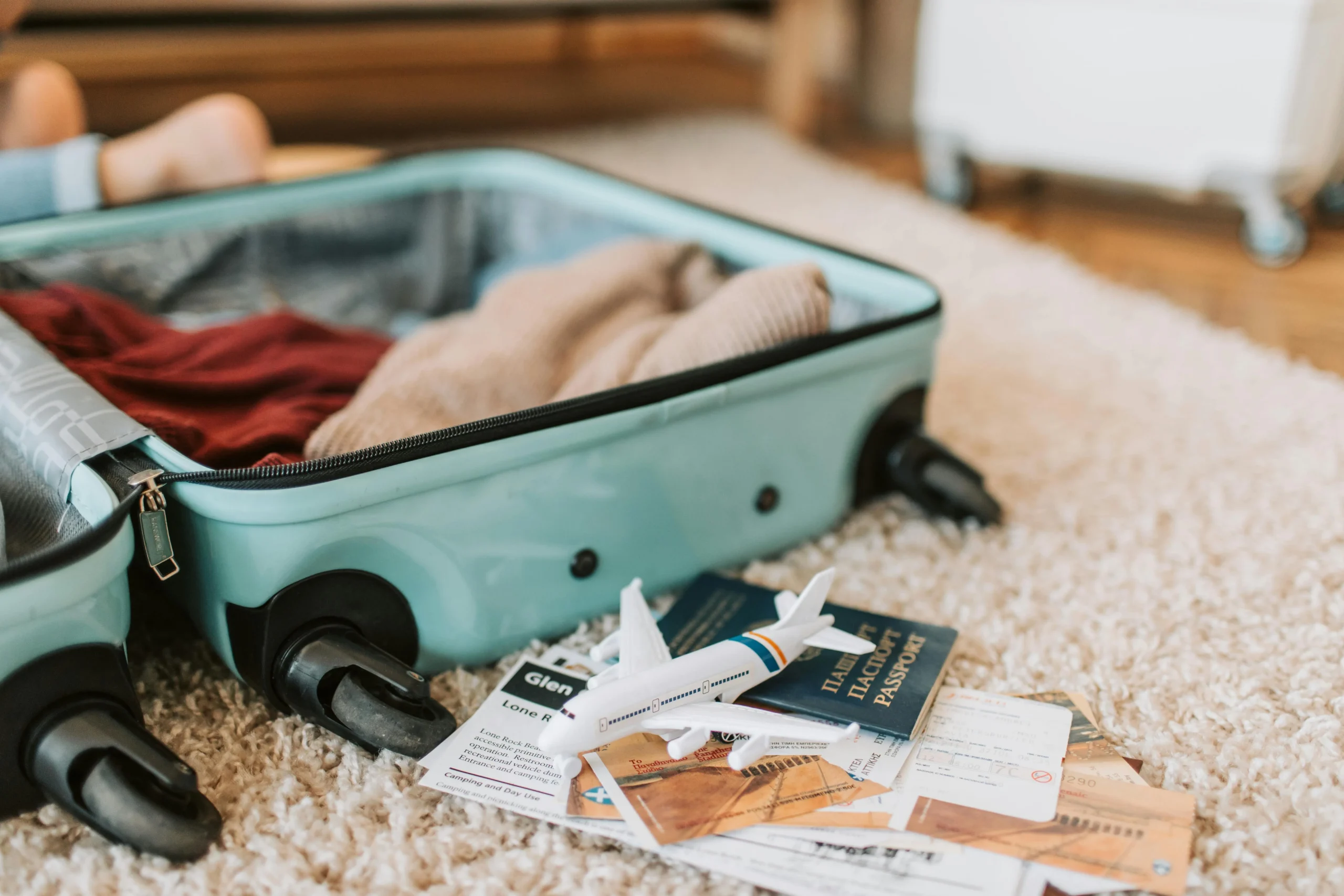
Strong family travel routines can make trips with children feel much easier from the first day. Families often feel the most stress when every part of the journey depends on memory, rushed packing, or last-minute decisions. Simple routines usually create a calmer trip because they reduce confusion before it starts.
Official guidance supports that kind of preparation. Travel.State.gov says families traveling internationally with minors should research destination-specific rules and may need formal consent from a non-traveling parent in some places, while adults should always bring a copy of each child’s birth certificate or other evidence of their legal relationship to the child. CDC guidance also notes that changes in schedule, activities, and environment can be stressful for children, and says travelers can reduce that stress by involving children in planning and bringing familiar items.
1. Keep all child travel documents in one dependable place
One of the most useful family travel routines is keeping child-related documents together in one document pouch or folder instead of spreading them across several bags. This often makes airport, hotel, and border moments much easier to manage.
Travel.State.gov says adults should always bring a copy of each child’s birth certificate or other evidence of their legal relationship to the child, and it notes that some countries may require a signed and notarized consent letter from the other parent or proof of sole legal custody.
When those papers always stay in the same place, parents usually spend less time searching and more time focusing on the trip itself.
2. Start each travel day with one simple family plan
Families often do better when the day begins with a short plan instead of a packed schedule. One main outing, one meal plan, and one easy backup option are often enough to create structure without pressure.
This works especially well with children because family travel rarely feels smooth when every hour is tightly packed. A lighter plan often gives parents more room to respond calmly when timing changes or energy drops.
It also helps children know what comes next, which can make unfamiliar places feel more manageable.
3. Carry familiar snacks as part of the routine
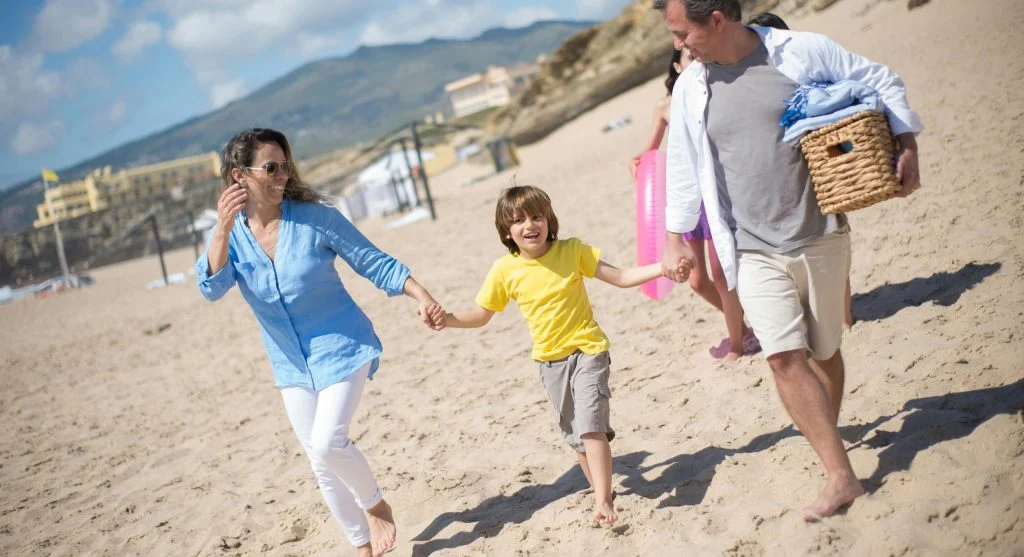
Snacks may seem small, but they often shape how smoothly a travel day goes. Hunger can change the mood of a child very quickly, especially during long waits, delayed meals, or busy arrival periods.
CDC says adults should ensure children follow safe food and water precautions and notes that parents might want to bring a supply of safe and familiar snacks from home when suitable food may not be available right away.
That makes snacks more than a comfort item. They often act as one of the easiest backup tools on a family trip.
4. Keep a child health pouch in the same bag every trip
One of the strongest family routines is using one small health pouch for children’s essentials on every trip. This may include medicine, basic care items, and any doctor-recommended supplies the family already relies on.
CDC guidance says children can experience the same travel risks as adults but may have more serious consequences from illness or injury, and it highlights gastrointestinal illness and dehydration as important concerns for child travelers.
Parents often feel more organized when those items are always packed the same way and kept easy to reach.
5. Build a routine for safe food, water, and hand cleaning
Children often react quickly to changes in meals, water, and hygiene. That is why a simple routine for eating, drinking, and hand cleaning can support a much smoother trip.
CDC says adults should make sure children follow safe food and water precautions and frequently wash their hands to help prevent food-borne and waterborne illness.
This routine does not need to be complicated. It just needs to be steady enough that families do not have to improvise every time a meal or break appears.
6. Plan child road safety before the first ride happens
Many family travel problems begin after the flight ends. The first taxi, transfer, or rental-car ride can matter just as much as the airport itself. A good family routine is deciding road safety plans before the trip starts.
CDC says children should be properly restrained in a car seat, booster seat, or seat belt as appropriate for their age, height, and weight, and notes that car seats may need to be brought from home because approved seats might not be available abroad.
This is one of the most practical family trip organization habits because it prevents rushed transport decisions after arrival.
7. Use one written backup for important family details
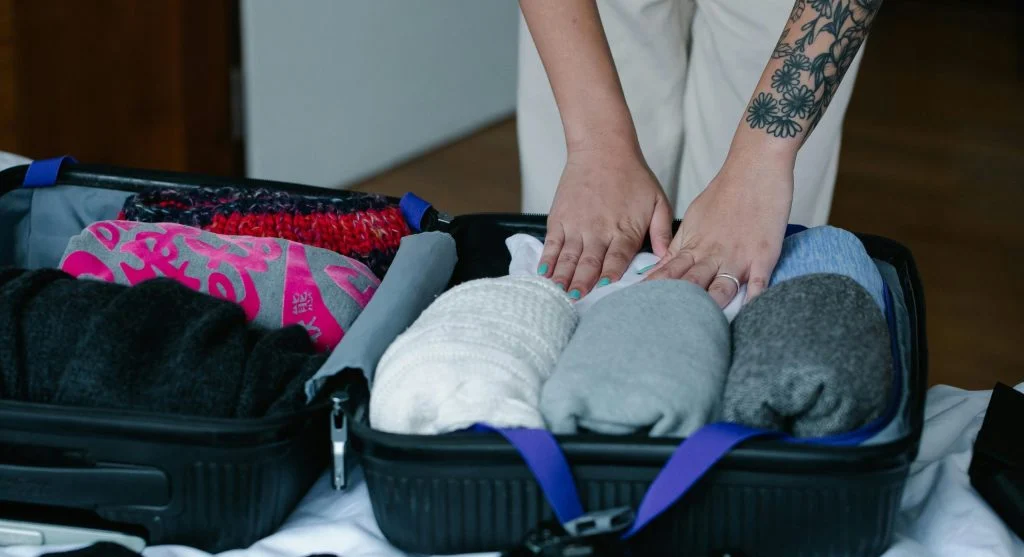
Phones are helpful, but families often benefit from keeping one written backup of hotel details, emergency contacts, and the day’s main plan. This can help when batteries run low or one adult needs quick information while handling children and bags.
CDC says infants and children should carry identifying information and contact numbers in their clothing or pockets in case family members become separated, and it notes that a parent traveling alone with children should carry relevant custody papers or a notarized permission letter from the other parent.
A written backup often feels simple, but it can make a busy family travel day much easier to manage.
8. End the day with a short reset routine
One of the best family travel routines happens at the end of the day. A short reset may include charging devices, returning documents to the same pouch, refilling water, and preparing the first step for the next morning.
CDC says schedule and environment changes can be stressful for children, and that including them in planning and bringing familiar objects can help lower that stress.
A short evening reset often helps the next day begin with less searching, less rushing, and fewer avoidable problems.
Frequently Asked Questions
Q: What are the most useful family travel routines?
A: The most useful family travel routines include keeping child documents together, carrying familiar snacks, using one health pouch, planning road safety early, and ending each day with a short reset.
Q: Why do families need extra paperwork for international travel with children?
A: Travel.State.gov says some countries require evidence of a legal relationship to the child and may require a notarized consent letter from a non-traveling parent or proof of sole legal custody.
Q: Why are snacks such an important part of family trip organization?
A: CDC says parents may want to bring safe and familiar snacks from home when suitable food may not be available right away, and it also stresses safe food and water precautions for children.
Q: What road safety advice matters most for children during travel?
A: CDC says children should be properly restrained in a car seat, booster seat, or seat belt as appropriate, and that approved car seats may need to be brought from home.
Key Takeaway
Strong family travel routines help trips with children feel more organized because they turn important tasks into repeatable habits. Official guidance supports preparing child documents, safe snacks, health items, and road safety before the trip begins. Family travel often feels easier when simple routines reduce the need for rushed decisions. :contentReference[oaicite:12]{index=12}
INTERNAL LINKING SUGGESTIONS
- 8 Family Travel Backup Habits That Help Parents Feel More Prepared on the Go
- 8 Family Arrival Habits That Help Travel Days Feel Easier With Children
- 8 Solo Travel Routines That Help Independent Trips Feel More Organized








Post Comment