8 Low-Profile Travel Habits That Help Visitors Blend In More Respectfully Abroad
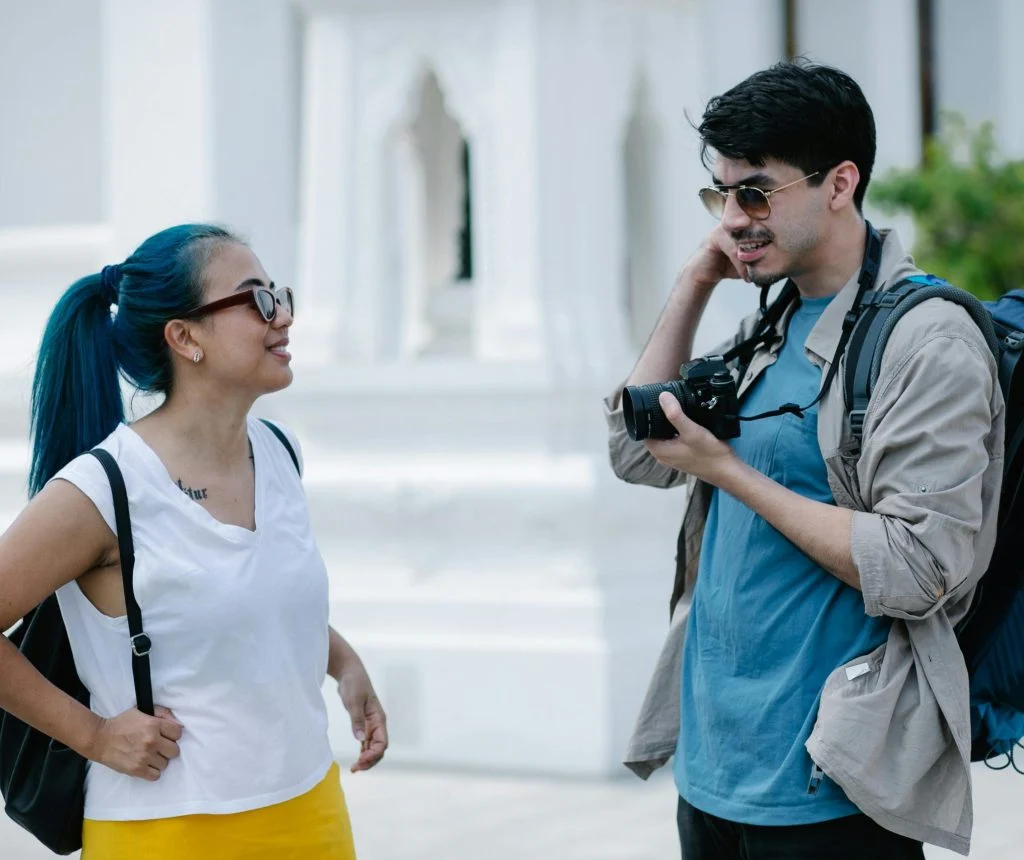
Strong low-profile travel habits can help visitors move through unfamiliar places with more respect and less friction. Many travel etiquette mistakes do not come from bad intentions. They come from assuming that public behavior, local customs, and daily routines work the same way everywhere.
Official U.S. travel guidance supports a more aware approach. Travel.State.gov says travelers should learn local laws and customs, keep a low profile, and be mindful of their surroundings while abroad. It also says travelers must follow local laws and review them even when only passing through another country.
1. Learn local laws and customs before the trip begins
One of the most useful low-profile travel habits is doing some research before the trip instead of waiting until arrival. Travel.State.gov says travelers should learn local laws and customs and must follow local laws while abroad.
This matters because what feels normal in one place may be restricted, impolite, or legally risky in another. A traveler who understands the setting usually makes fewer avoidable mistakes in public. The second sentence is an inference based on the State Department’s guidance to review laws and customs early.
2. Keep a lower profile in public areas
Travel.State.gov specifically tells travelers to keep a low profile and be prepared while overseas.
In practical terms, that often means calmer movement, less flashy display, and more awareness of how much attention a traveler is drawing. A quieter travel style often feels more respectful because it puts the place first instead of the visitor. That second sentence is an inference grounded in the official “keep a low profile” guidance.

3. Step aside before checking maps or making new plans
Many visitors stop suddenly in the middle of a walkway when they need directions. A better habit is moving to the side first, then checking the phone or map in a calmer spot. Travel.State.gov’s crime guidance says travelers should download offline map apps and keep their phone charged.
That guidance supports a simple etiquette habit: use navigation tools without disrupting the flow of the people around you. This is an inference based on the State Department’s advice to prepare navigation tools before travel.
4. Treat shared space like it belongs to everyone
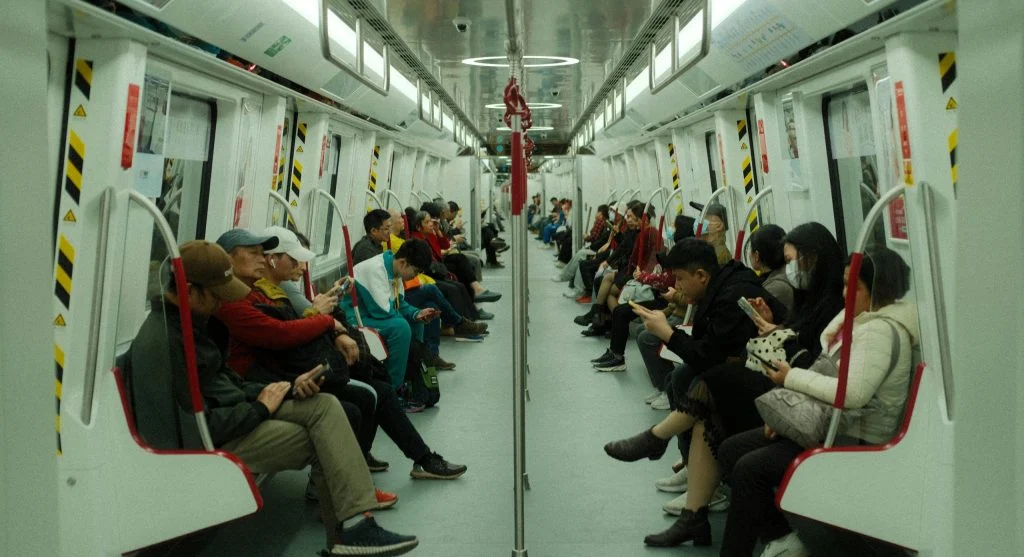
Public courtesy often becomes most visible in sidewalks, station platforms, queues, hotel lobbies, and transit areas. A traveler who spreads bags across a bench, blocks a doorway, or stops in the middle of a narrow path can inconvenience others quickly, even without meaning to.
Travel.State.gov says travelers should be mindful of their surroundings. That guidance naturally supports keeping bags close, leaving walkways open, and noticing how much room a traveler is taking up in shared spaces. This is an inference grounded in the State Department’s awareness guidance.
5. Keep valuables less visible
Travel.State.gov’s crime guidance tells travelers not to display signs of wealth and recommends staying aware of surroundings while abroad.
This supports respectful travel behavior too. A lower-visibility style often helps visitors blend in more naturally and avoid making a place feel like a personal stage. The second sentence is an inference based on the State Department’s advice about valuables and low-profile movement.
6. Share important trip details privately, not loudly
Travel.State.gov says travelers should tell someone at home their itinerary, hotel names, locations they plan to visit, U.S. embassy or consulate information, and emergency contacts while abroad.
That official advice supports a useful etiquette habit: share important plans with trusted people, but do not discuss every personal detail loudly in crowded public places. This is an inference based on the State Department’s advice to share trip details with trusted contacts.
7. Let patience shape the pace of the day
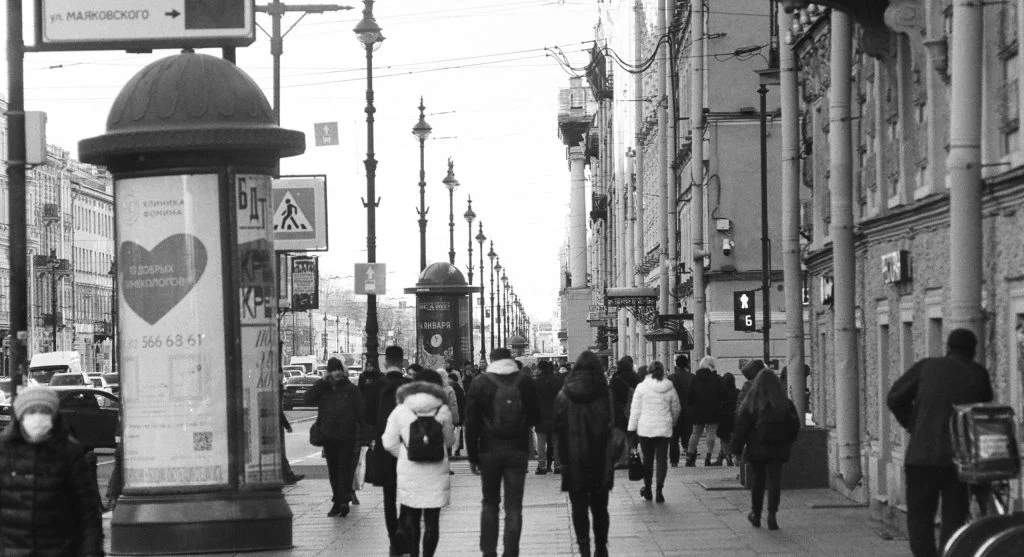
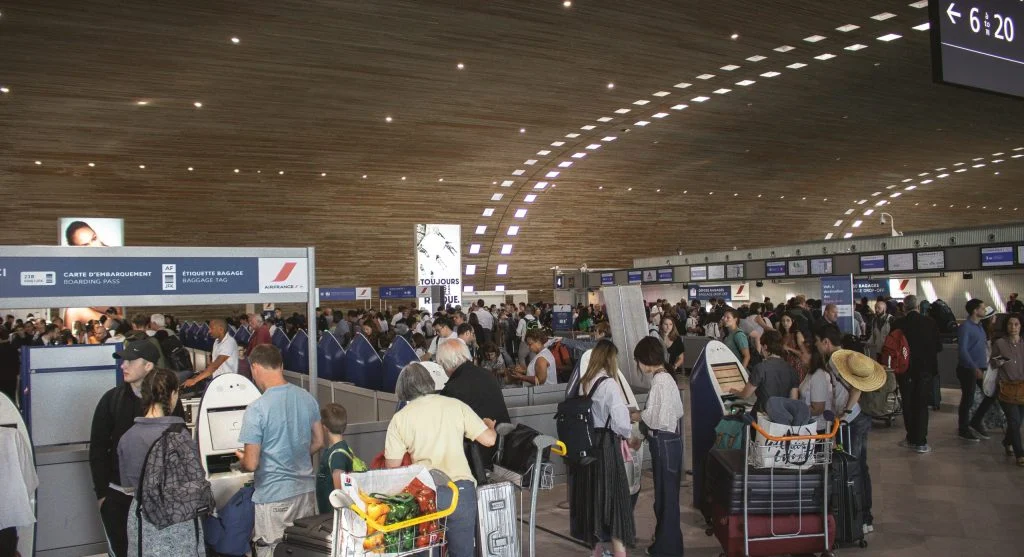
Many public-space problems begin when travelers expect every system to work like home. Lines, service pace, crowd movement, and local routines often work differently from one destination to another.
Travel.State.gov’s planning guidance says travelers should learn the destination, review local laws, and prepare before they go. That supports a simple mindset: the visitor adapts to the place, not the other way around. The second sentence is an inference grounded in the State Department’s preparation guidance.
8. Remember that public etiquette and safety often overlap
Travel.State.gov’s crime guidance says travelers should keep their phone charged, carry a portable battery, download offline maps, and tell someone at home their plans.
Those steps are mainly about safety, but they also help travelers behave more calmly and thoughtfully in shared spaces. Prepared visitors usually need fewer rushed decisions in the middle of a crowd. The second sentence is an inference based on the same State Department guidance.
Frequently Asked Questions
Q: What are the most useful low-profile travel habits?
A: The most useful low-profile travel habits include learning local laws and customs, keeping a lower public profile, stepping aside before checking directions, keeping valuables less visible, and being patient in shared spaces.
Q: Why should travelers learn local laws before going abroad?
A: Travel.State.gov says travelers must follow local laws while abroad and should review the laws for any place they are traveling to, even if only passing through.
Q: Why is “keeping a low profile” part of travel etiquette?
A: Travel.State.gov specifically advises travelers to keep a low profile abroad. In practice, that often supports behavior that is both safer and more respectful in shared public spaces.
Q: Why should travelers download offline maps before a trip?
A: Travel.State.gov says travelers should download offline map apps so they can navigate without internet connection.
Key Takeaway
Strong low-profile travel habits help visitors blend in more respectfully abroad by turning awareness into simple daily behavior. Official guidance supports learning local laws and customs, keeping a lower public profile, and preparing navigation and communication tools before travel. Respectful travel usually starts with attention, not performance.






Post Comment