8 Smart Travel Safety Routines That Help International Trips Feel Easier to Manage
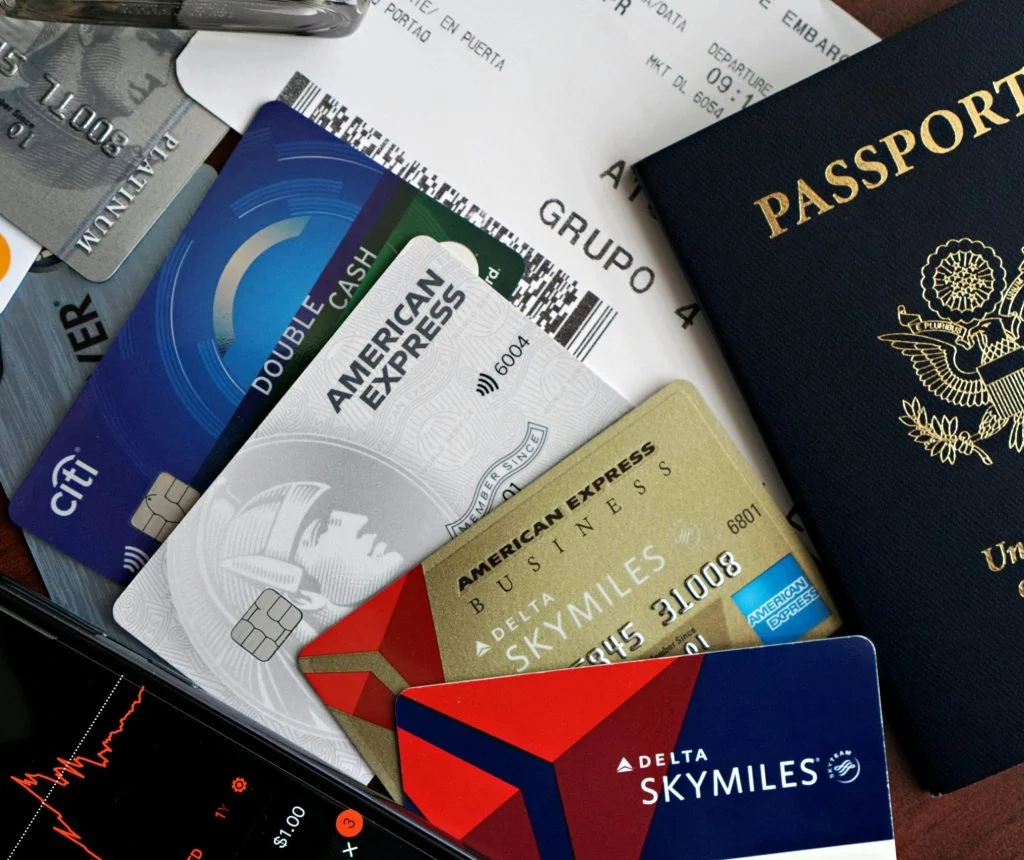
Strong smart travel safety routines can make international trips feel much easier to manage before airport day even begins. Many travel problems do not start with one major emergency. They often start with smaller gaps such as missing document backups, weak medicine planning, or no clear way to receive official updates while abroad.
That is why a safer trip usually begins at home. When travelers use simple routines before departure, they often reduce stress and make problems easier to handle if plans change later.
1. Review the destination before you start packing
One of the most useful smart travel safety routines is checking the destination before focusing on the suitcase. A traveler usually feels more prepared when entry rules, local expectations, and basic safety conditions are already clear.
This habit helps because the rest of the trip depends on those basics. A traveler cannot organize well for departure if the destination itself is still full of unanswered questions.
Even a short review often creates a stronger plan than rushing straight to the booking and packing stage.
2. Use a checklist instead of memory alone
Many travelers know the basics, but they still forget one important detail when the trip gets close. A checklist usually works better than memory because it turns preparation into a routine instead of a last-minute scramble.
A strong checklist may include travel documents, health items, emergency contacts, insurance notes, and one simple arrival plan. It does not need to be long to be useful.
The best routines are often the easiest to repeat on every trip.
3. Make copies of important travel documents
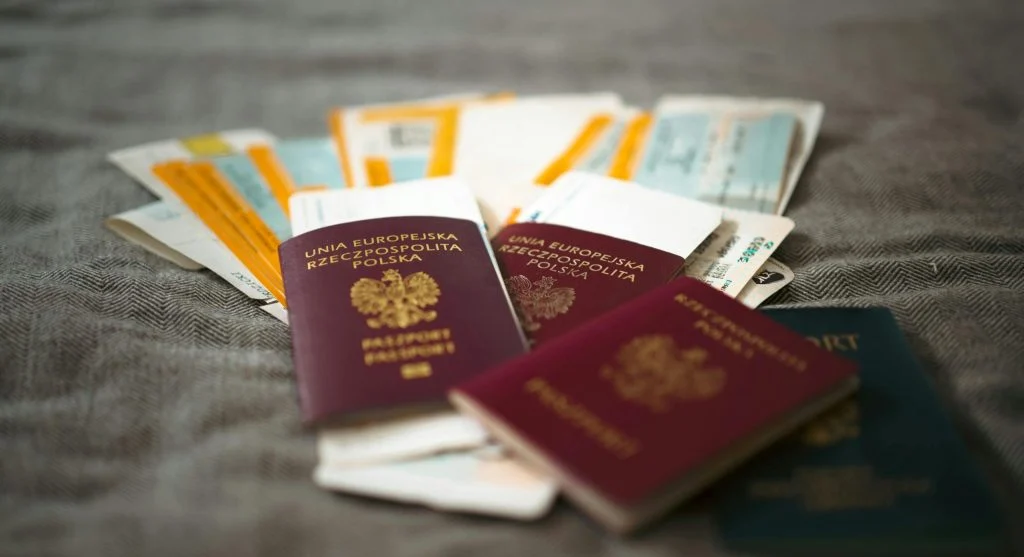
Document backups are one of the simplest ways to reduce travel stress. A lost passport or missing reservation detail becomes much easier to manage when the traveler already has copies prepared.
Many travelers do best when they keep one copy separate from the originals, leave another set with someone trusted, and also save a clear digital version. That way, important information does not exist in only one place.
This habit is simple, but it can save a great deal of time later.
4. Enroll in official travel alerts before you go
Another strong routine is signing up for official alerts before departure. Travelers often feel more secure when they know they can receive updates instead of depending only on last-minute searches or social media posts.
This works well because conditions can change quickly. A traveler who already has an official update system in place usually feels more informed and less rushed.
It is one of the easiest ways to add another layer of preparation without adding much work.
5. Treat medicine planning as a core part of the trip
Medication should never be treated as a small packing detail. A delayed bag, long travel day, or schedule change can become much more stressful when important medicine is hard to reach or not prepared correctly.
Many travelers benefit from keeping medicine in original packaging, carrying enough for the whole trip plus a small backup amount, and keeping supporting details easy to access if needed.
Health items often matter more than travelers expect once the journey begins.
6. Build a small health kit that fits the destination
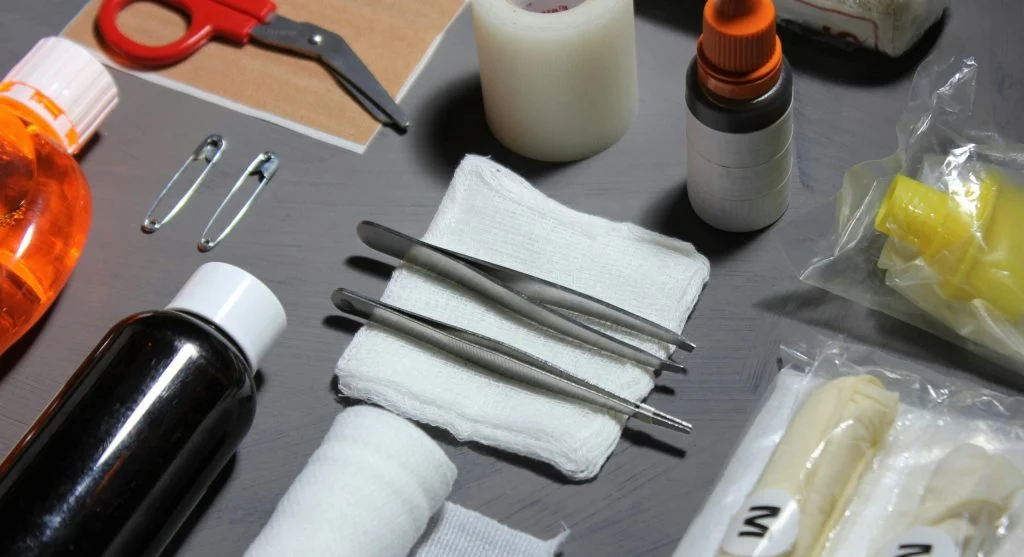
A travel health kit does not need to be large to be useful. It only needs to match the trip. A city visit, an outdoor trip, and a longer multi-stop journey may all call for different basics.
This is why a stronger routine often begins with one simple question: what is most likely to matter on this specific trip? A small kit built around that answer usually works better than random packing.
Preparation feels more useful when it fits the real journey ahead.
7. Share the broad trip plan with one trusted person
A safer trip often includes one person at home who knows the broad outline of the journey. This does not need to mean constant updates. It simply means someone else knows the main destination, travel dates, and where the traveler expects to stay.
This routine helps because important details do not live only on one phone or in one traveler’s memory. If something changes, there is already a simple backup outside the trip itself.
That kind of support often feels small until it becomes useful.
8. Keep preparation going even if the trip is close
Some travelers assume it is too late to prepare once departure feels near. In practice, useful preparation can still happen even when time is short.
A traveler can still review documents, organize medicine, check official guidance, and tighten the plan for the first day. Even a small amount of preparation usually improves the trip more than giving up on preparation entirely.
Good routines do not need to be perfect to be helpful. They only need to happen soon enough to make the trip easier.
Frequently Asked Questions
Q: What are the most useful smart travel safety routines?
A: The most useful smart travel safety routines include reviewing destination guidance, using a checklist, making document copies, signing up for official alerts, planning medicine carefully, and sharing the broad trip plan with one trusted person.
Q: Why does a travel checklist matter so much?
A: A checklist helps reduce stress by turning preparation into a repeatable process. It often catches small details that memory alone can miss.
Q: Why should travelers prepare document backups?
A: Document backups make it easier to handle lost or missing originals because important information is already available in another form.
Q: Is it still useful to prepare when a trip is close?
A: Yes. Even when departure is near, reviewing documents, medicine, alerts, and the first-day plan can still make the trip easier to manage.
Key Takeaway
Strong, smart travel safety routines help international trips feel easier to manage because they reduce avoidable stress before departure. A clear checklist, document backups, medicine planning, official alerts, and one trusted contact often make the whole journey feel steadier. Safer travel usually starts with simple routines done early.












Post Comment