7 Travel Safety Tips That Help Travelers Avoid Common Risks
Good travel safety tips apply to almost any kind of trip. Problems don’t always come from major emergencies. In many cases, they start with small mistakes limited awareness, valuables that are easy to steal, missing document copies, or rushed decisions in unfamiliar places.
Safety professionals and travel advisers often emphasize the same idea: preparation matters more than panic. A few simple habits can reduce the likelihood of common travel issues and make it easier to respond if something goes wrong.
1. Protect travel documents before leaving home
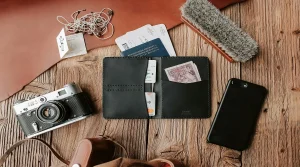
Passports, IDs, tickets, insurance details, and hotel confirmations should be organized before the trip begins. Experts commonly recommend keeping both printed and digital copies of important documents. If one set is lost, the other can still be used.
It’s also wise not to store everything in one place. Keeping your passport in a secure spot and placing backup copies elsewhere can help limit the impact of theft or loss.
2.Use travel safety tips for handling money and valuables
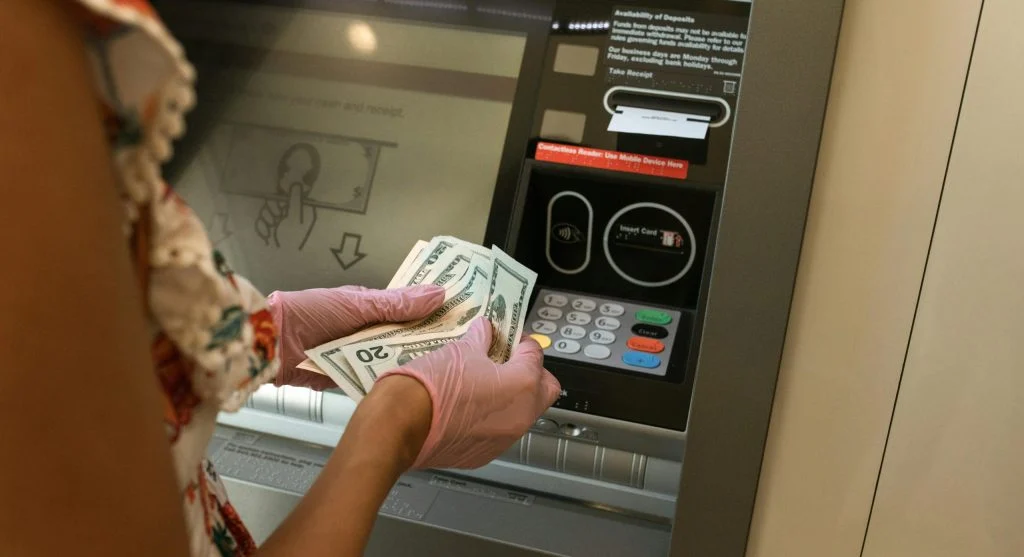
One of the most practical travel safety tips is to divide your valuables. Carrying all your cash, cards, and identification in a single wallet increases risk. Safer travel habits involve spreading these items across a few secure locations.
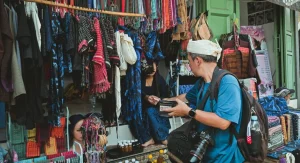
Security advisers also caution against displaying expensive items in crowded areas. Phones, cameras, and jewelry can draw unwanted attention, especially in transport hubs or busy tourist spots.
3. Learn how to avoid travel scams in crowded areas
Scams often work by creating distraction, urgency, or confusion. Someone might offer help too quickly, pressure you into a decision, or try to separate you from your belongings or payment methods. Travelers who stay calm and take a moment before reacting are usually less at risk.
Consumer safety specialists recommend checking transport options, exchange services, and booking details in advance. Doing this helps avoid rushed decisions when you’re navigating unfamiliar surroundings.
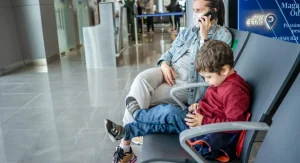
Credit: Vlada Karpovich / Pexels
4.Share plans and keep emergency details easy to find
Before leaving, travelers should share a basic itinerary with someone they trust. It doesn’t have to be detailed hour by hour. Key information like the destination, flight details, hotel name, and expected arrival dates is usually enough.
Emergency contacts should also be easy to access. Travel health and safety professionals often recommend writing down important numbers, so they’re still available if a phone battery dies.
5. Watch surroundings more than screens
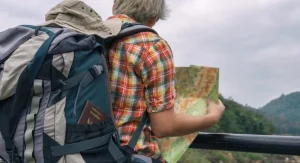
Phones are useful for maps, bookings, and communication, but constant use can reduce awareness. In crowded stations, unfamiliar streets, or late at night, that distraction can make it easier for theft or poor decisions to happen.
A better approach is to check directions briefly, then put the phone away while walking. Travelers who appear alert and aware tend to draw less unwanted attention.
6. Choose transport and lodging with safety in mind
Travel safety doesn’t start after arrival—it begins during the booking process. Transport should be verified through reliable sources, and lodging should be selected with location, access, and lighting in mind. Safety specialists often point out that a cheaper place far from central areas can sometimes lead to more issues than it saves.
Arriving late at night can also affect what feels safe. It’s important to plan in advance how you’ll get from the airport or station to your hotel, especially in an unfamiliar destination.
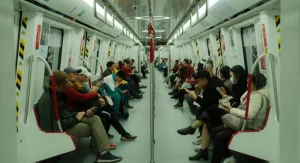
Credit: Ketut Subiyanto / Pexels
Frequently Asked Questions
Q: What are the most important travel safety tips for first-time travelers?
A: Protecting documents, dividing valuables, and staying aware in public are among the most useful safe travel habits. These reduce the chance of common problems.
Q: How can travelers avoid travel scams?
A: Travelers can avoid travel scams by researching common local tricks, refusing rushed offers, and checking transport or payment details before agreeing.
Q: Should travelers carry all their money in one place?
A: No. Spreading cash and cards across secure places lowers the impact if one wallet or bag is lost or stolen.
Q: Why is sharing an itinerary useful for travel safety?
A: It helps a trusted person know where the traveler is supposed to be. That can matter if plans change unexpectedly.
Key Takeaway
INTERNAL LINKING SUGGESTIONS
- Solo Travel Safety Habits That Build Confidence
- How to Keep Important Travel Documents Organized
- What First-Time International Travelers Often Forget







Post Comment