8 Travel Mistakes First-Time Flyers Often Make and How to Avoid Them
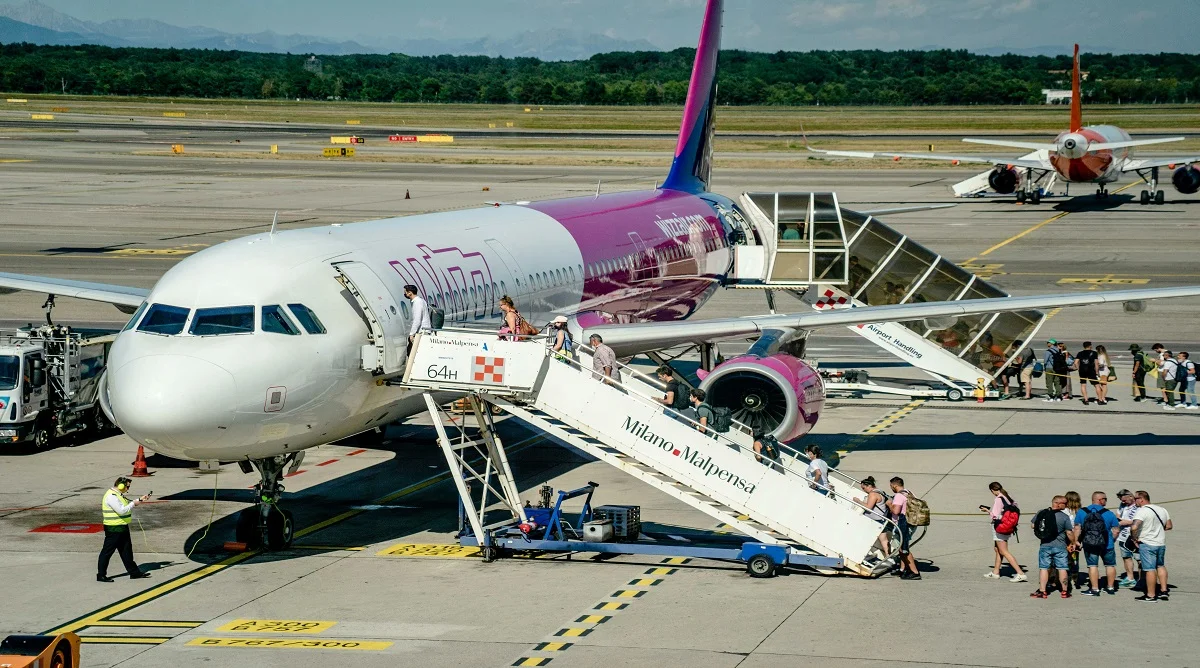
Good first-time flyer tips can make air travel feel much less stressful. Many new travelers focus on the flight itself, but most challenges happen before takeoff. The airport process baggage rules, timing, and boarding often creates more confusion than the time spent in the air.
Travel advisers often point out that flying becomes easier once you understand the flow of the day. Check-in, security, finding your gate, boarding, and arrival all follow a general sequence. First-time travelers usually feel more confident when they know where mistakes tend to happen and how to avoid them.
1. Arriving at the airport too late
One of the most common travel mistakes is not allowing enough time before departure. First-time flyers sometimes expect airports to work like bus or train stations, where arriving shortly before departure can still work. In reality, airports require more time because you need to move through check-in, baggage drop, security, and the gate area.
Travel planners often recommend giving yourself extra time rather than aiming for the minimum. Traffic, long lines, document checks, or simply navigating a large terminal can quickly add pressure. Arriving early usually feels far better than rushing to make it on time.
This becomes even more important at large airports, during busy travel seasons, or on international trips. A relaxed arrival gives you time to understand each step without stress.
2. Not checking baggage rules before leaving home
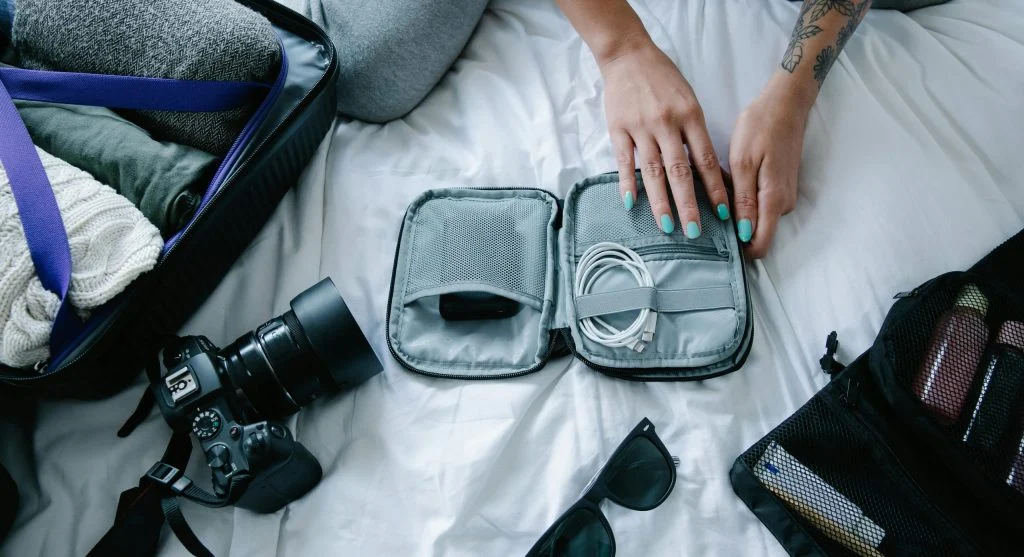
Another common issue is assuming all luggage follows the same rules. In reality, airlines often have different limits for carry-on size, checked baggage weight, and personal items. If you don’t check in advance, you might face extra fees, last-minute repacking, or delays at the airport.
Many first-time flyer tips focus on luggage because these mistakes are easy to avoid. Travel professionals often suggest checking bag size ahead of time and packing important items like documents, chargers, and medications where you can reach them easily.
It’s also important to remember that liquids and certain restricted items have specific rules in carry-on bags. A quick review before leaving home can help you avoid issues at security.
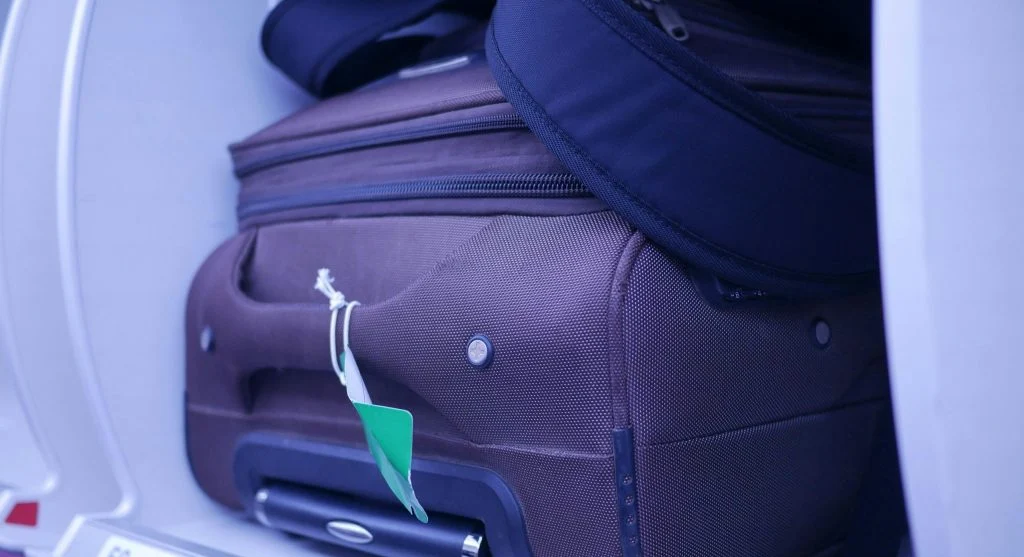
3. Keeping important documents hard to reach
First-time travelers often pack passports, IDs, tickets, or phones too deep inside their bags. That can create unnecessary stress at check-in counters, security checkpoints, and boarding gates where quick access is important. Travel organizers usually suggest keeping all key documents together in one secure, easy-to-reach place.
For domestic trips, this might include an ID and boarding details. For international travel, it can also involve a passport, visa documents if required, and destination information. Keeping everything organized helps reduce fumbling and makes it easier to stay calm while moving through the airport.
Having digital copies can be helpful, but being able to quickly access physical documents still matters on the day of travel.
4. Wearing clothing that makes security slower
Clothing may not seem like a big factor, but it can affect how smoothly you move through security. Shoes that are difficult to remove, too many items in pockets, or bulky layers can slow things down and add frustration.
Air travel tips often recommend simple shoes, light layers, and fewer pocket items on travel days. This doesn’t mean wearing anything special just choosing comfort and practicality over complicated outfits.
Airport staff and security professionals often highlight preparation. Travelers who are ready before reaching the screening area usually move through much more smoothly than those trying to organize everything at the last minute.
5. Ignoring gate changes and boarding updates
Some first-time flyers find their gate and then stop paying attention. However, airports can change gates, adjust boarding times, or make announcements that affect the journey. Missing an update can quickly lead to stress.
One of the most useful first-time flyer tips is to keep checking your boarding pass, airport screens, or airline app while you wait. Travel experts often point out that updates are a normal part of air travel and should be expected, not feared.
It also helps to stay near the correct gate as boarding time approaches. Terminals can be larger than they seem, and reaching your gate may take longer than expected.
6. Forgetting how tiring airport days can feel
First-time flying often involves more walking, waiting, and decision-making than many expect. Airports can feel crowded, noisy, and tiring even before you board the plane. Without some preparation, that fatigue can build up quickly.
Travel wellness specialists often suggest simple habits to make the day easier. Comfortable shoes, a refillable water bottle where allowed, light snacks, and realistic expectations can all help. A traveler who feels calm and rested is usually better able to handle changes or delays.
This also applies after landing. Baggage claim, transportation, and navigating a new destination still require energy at the end of the trip.
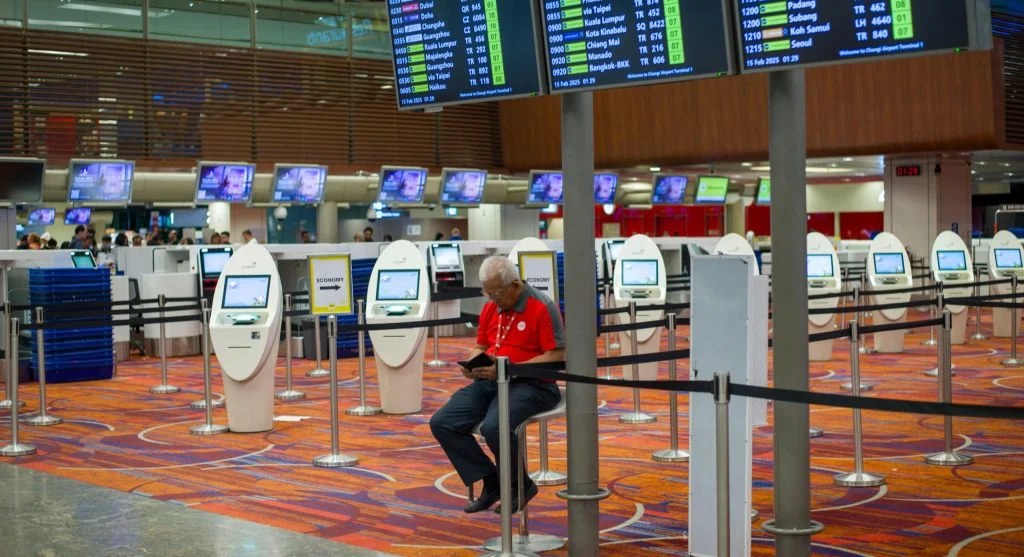
7. Packing everything valuable in checked luggage
Checked bags are useful for larger items, but important belongings are usually better kept with you. Documents, medication, chargers, valuables, and even a change of clothes are safer in a carry-on or personal bag. Airline and travel safety specialists often repeat this advice because delayed baggage can happen.
First-time flyers sometimes assume checked luggage is the easiest place for everything, but that can create problems if the bag arrives late. Keeping essential items nearby gives you more control and peace of mind during the trip.
This isn’t about expecting something to go wrong on every flight it’s simply a practical way to handle small disruptions.
8. Expecting the whole day to go perfectly
Many travel frustrations start with unrealistic expectations. A first flight might include a long line, a delayed boarding time, a gate change, or some confusion after arrival. None of these automatically mean the trip is going badly they’re often normal parts of air travel.
Travel behavior specialists often note that staying flexible makes a big difference. Travelers who expect a few minor inconveniences tend to handle them more easily. Flying for the first time becomes much smoother when the goal isn’t perfection, but moving through each step with a steady mindset.
Preparation helps, but attitude matters just as much. A calm traveler can adapt to small issues far more easily than someone already feeling rushed.
Frequently Asked Questions
Q: What are the most important first-time flyer tips?
A: Arriving early, checking baggage rules, and keeping documents easy to reach are among the most important first-time flyer tips. These habits reduce many common airport problems.
Q: Why do first-time travelers get confused at airports?
A: Airports involve several steps in a set order, and that can feel unfamiliar at first. Confusion usually comes from timing, document handling, and gate changes rather than the flight itself.
Q: Should valuables go in checked luggage?
A: Important items are usually safer in a carry-on or personal bag. Travelers often keep documents, medications, chargers, and valuables with them for easier access and fewer problems.
Q: How early should first-time flyers arrive at the airport?
A: The best timing depends on the trip and airport, but first-time travelers often benefit from extra time. A calmer arrival usually makes the day easier to manage.










Post Comment