8 Local-Awareness Habits That Help Travelers Show Better Respect Abroad
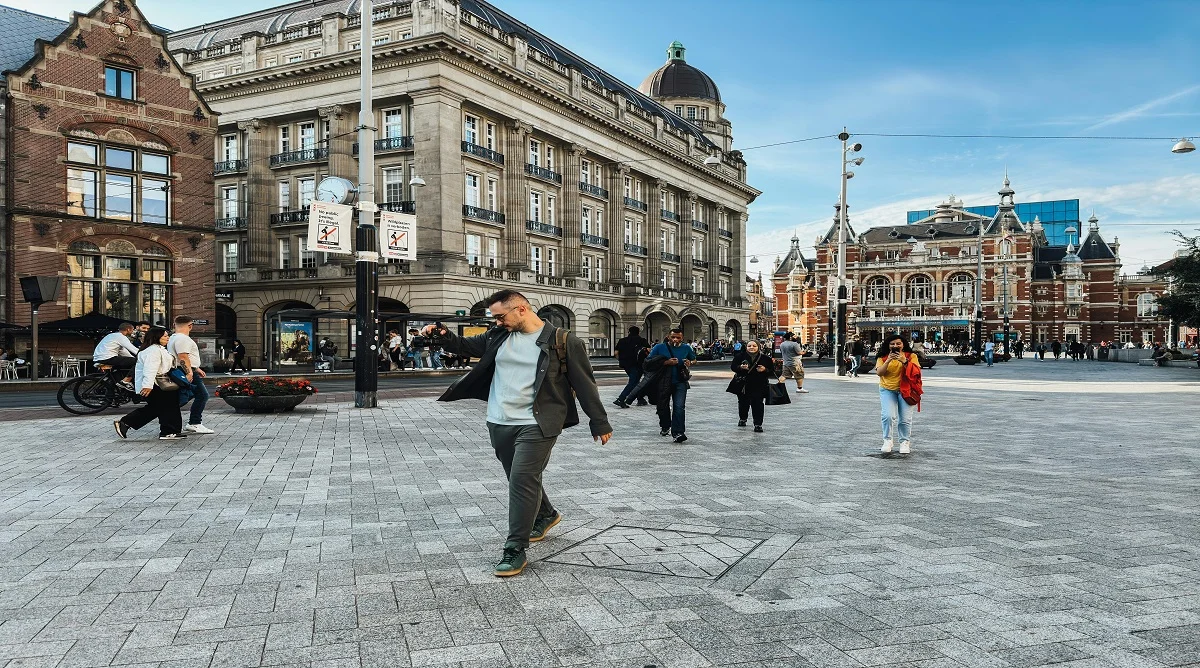
Strong local-awareness habits help travelers move through unfamiliar places with more respect and less friction. Many travel mistakes don’t come from bad intentions they come from assuming that public behavior, local rules, and daily routines work the same everywhere. Travel.State.gov specifically advises travelers to learn local laws and customs before going abroad.
That guidance matters because local rules can carry real consequences. Travel.State.gov explains that U.S. citizens must follow local laws while abroad and warns that breaking them even unintentionally can lead to fines, deportation, or imprisonment.
1. Learn the local rules before you start sightseeing
One of the most useful local-awareness habits is doing a bit of research before the trip begins. Travelers often focus on attractions first and local rules second, but respectful travel tends to work better the other way around. Travel.State.gov recommends reviewing local laws, customs, and destination guidance ahead of time.
This matters because expectations aren’t always obvious once you arrive. Something that feels normal in one country may be restricted or interpreted very differently in another. Travel.State.gov also notes that travelers should check the laws of any place they visit even if they’re only passing through.
That makes basic research both a safety step and a courtesy. Travelers who understand the local setting are less likely to make avoidable mistakes in public.
2. Treat local customs as part of daily travel, not just culture
Many people think of local customs as optional or simply interesting, but in reality, they shape everyday interactions. They influence how people use public spaces, form lines, handle service, communicate, and dress. Travel.State.gov advises travelers to learn these customs and maintain a low profile while abroad.
That’s why observation plays such an important role. Watching how locals move through sidewalks, transport, shops, and queues can reveal more than relying on assumptions. Travelers who treat local customs as part of the practical rules of the trip often find it easier to navigate their surroundings.

3. Keep a lower profile in public spaces
Maintaining a lower profile often makes travel more comfortable and respectful at the same time. Travelers who stay aware of their surroundings, avoid drawing unnecessary attention, and move calmly through public areas tend to have smoother experiences. Travel.State.gov specifically advises travelers abroad to keep a low profile and stay prepared.
This doesn’t mean acting fearful. It simply reflects an understanding that public spaces are primarily for local residents, with travelers sharing that space. Keeping your voice down, moving steadily, and avoiding behavior that turns the setting into a personal stage helps you blend in more naturally.
4. Let shared spaces guide your behavior
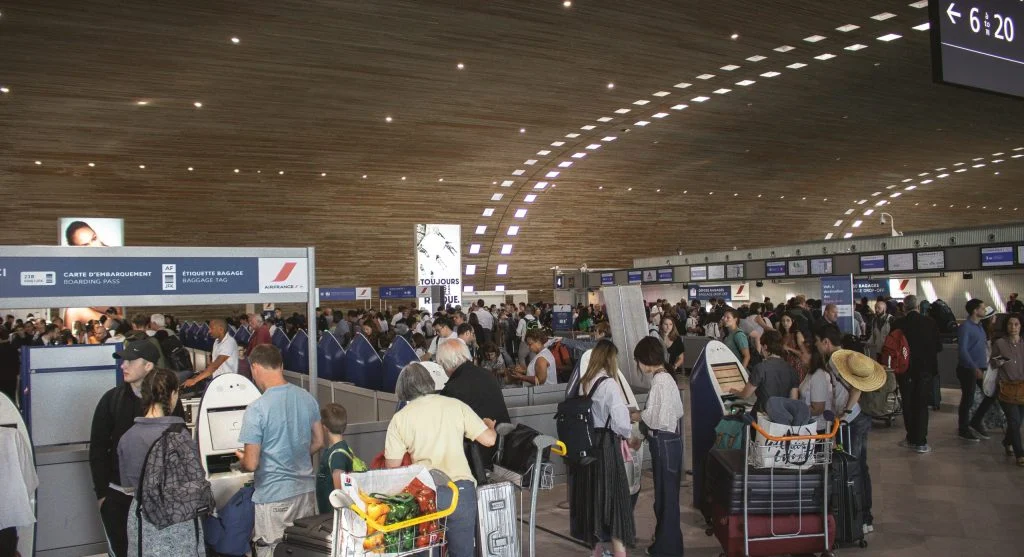
Places like transport hubs, hotel lobbies, sidewalks, ticket counters, and waiting areas work best when people stay aware of those around them. A strong local-awareness habit is paying attention to how much space you take up, where you stand, and when to step aside instead of stopping in the middle of movement.
The guidance from Travel.State.gov to remain alert, keep a low profile, and plan ahead fits well here. Crowded public spaces are often where small travel mistakes become most noticeable.
Respect in these situations is usually straightforward: don’t block the flow, don’t expect others to wait for you, and don’t turn shared walkways into planning spots.
5. Use phones and maps without disrupting other people
Phones are essential for navigation, bookings, and communication, but using them constantly in busy public areas can reduce awareness and inconvenience others. A better habit is to step aside before checking directions or making changes.
Travel.State.gov recommends keeping phones charged and downloading offline maps before traveling. While this supports safety, it also improves etiquette, since prepared travelers are less likely to stop abruptly in crowded areas trying to figure things out.
This is one of the simplest habits to adopt, and it improves both confidence and courtesy at the same time.
6. Respect laws even when they feel unfamiliar
Travel etiquette isn’t just about manners it also involves taking local laws seriously, even when they differ from what you’re used to at home. Travel.State.gov notes that laws abroad can be very different from those in the United States and advises travelers to contact the appropriate embassy or consulate if they have questions.
This matters because respectful travel begins with recognizing that you’re entering someone else’s legal and social environment. Disagreeing with a rule doesn’t change it. Taking time to understand local laws in advance can prevent mistakes that may seem minor to a traveler but carry serious consequences in the destination.

Frequently Asked Questions
Q: What are the most useful local-awareness habits for travelers?
A: The most useful local-awareness habits include learning local laws and customs, keeping a lower profile, stepping aside before checking directions, and using more patience in shared spaces. Travel.State.gov advises travelers to learn local laws and customs and keep a low profile abroad.
Q: Why do local laws matter for travel etiquette?
A: Travel.State.gov says U.S. citizens must follow local laws abroad and that violations can lead to deportation, fines, or imprisonment. Respectful travel includes treating those laws seriously, even when they differ from home.
Q: Should travelers still research customs if they are only passing through a country?
A: Yes. Travel.State.gov says travelers should review the laws for any place they are traveling to, even if they are only changing planes there.
Q: Why is keeping a low profile part of respectful travel?
A: Travel.State.gov advises travelers to keep a low profile and be prepared while abroad. That supports both safety and smoother behavior in shared public spaces.











Post Comment