8 Travel Day Habits That Help Airport Mornings Feel Less Stressful
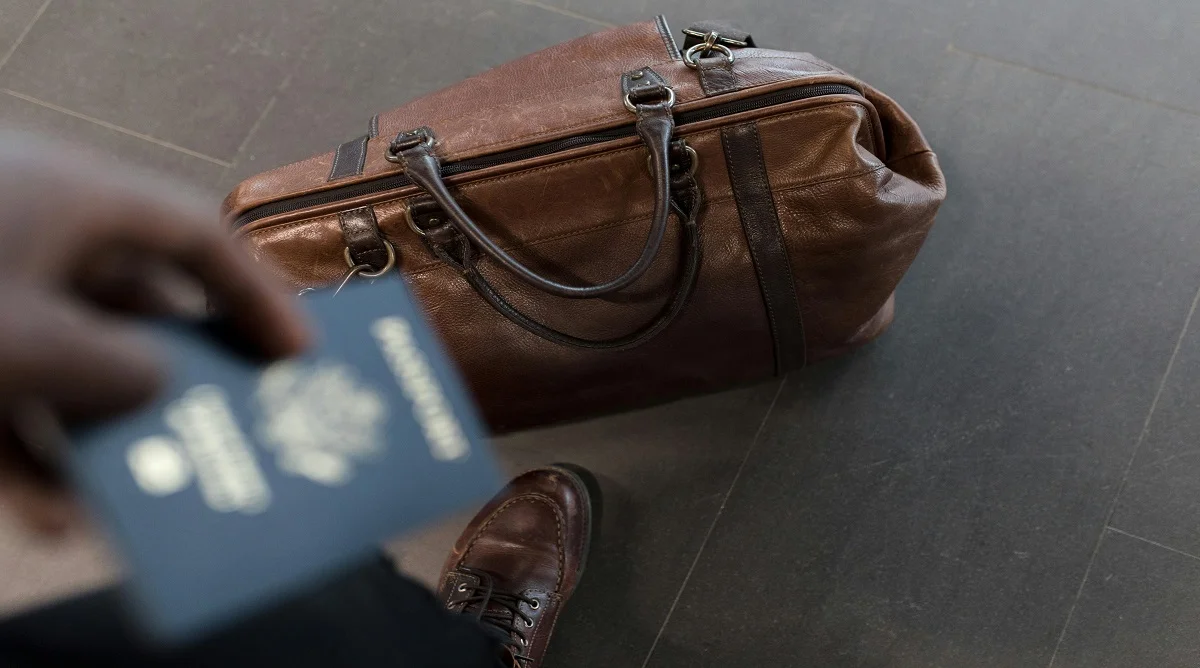
Strong travel day habits can make airport mornings feel much more manageable, especially when the flight is early and everything feels rushed. Many stressful moments at the airport actually begin long before security. They often come from missing documents, overpacked bags, unclear ticket rules, or starting the day without a simple plan.
Official travel guidance consistently points to preparation as the key. Transportation Security Administration recommends starting with an empty bag, following the liquids rule, and keeping larger electronics easy to access during screening. Travel.State.gov highlights passports, visas, medications, and child-related travel documents as essential items to review before leaving home. U.S. Department of Transportation also advises travelers to pay close attention to baggage fees, ticket restrictions, and cancellation rules when booking a flight.
1. End the night with an empty-bag check
One of the most practical travel day habits is checking your bag the night before instead of assuming it’s ready. Old receipts, loose items, and forgotten objects often sit in side pockets longer than expected.
Transportation Security Administration specifically recommends starting with an empty bag and making sure all compartments are clear of leftover items. This simple step helps avoid last-minute issues at security and makes it easier to see exactly what you need for the trip.
It’s especially helpful before an early flight, when even small oversights can feel more stressful due to limited time.
2. Set documents aside before packing the rest
Many airport delays come down to something simple: important documents are packed too deep or checked too late. A passport, valid ID, visa if required, and booking details should be treated as priority items—not things to search for at the last minute.
Travel.State.gov recommends checking passport validity well in advance, confirming visa or travel authorization requirements, and organizing key documents before departure. It also notes that some countries require passports to be valid for at least six months beyond the travel dates.
Using a document sleeve or a dedicated pocket is usually more reliable than placing these items randomly in a bag or suitcase.
3. Pack liquids and electronics for screening, not only for space
A well-packed bag isn’t always a security-friendly one. Travelers often focus on fitting everything into a carry-on and overlook how screening actually works.
Transportation Security Administration states that liquids, gels, and aerosols in carry-ons must follow the 3-1-1 rule, and its checklist also recommends placing large electronics near the top for easy access during screening. This guidance exists for a reason—an organized bag helps the process move faster and reduces stress along the way.
One of the most practical airport morning tips is to pack for accessibility, not just for saving space. A slightly less packed bag is often much easier to handle in a real security line.
4. Check baggage and ticket rules before leaving home
Another common issue on travel day is discovering a rule too late. A bag might be slightly oversized, the ticket may include restrictions that were overlooked, or optional services could cost more than expected at the airport.
U.S. Department of Transportation highlights baggage fees, ticket restrictions, optional services, and 24-hour cancellation policies as key details travelers should review when booking flights. Its “Fly Rights” guidance also encourages comparing schedules and conditions carefully before choosing a flight.
Reviewing these details the day before departure helps prevent last-minute surprises, which often feel more stressful at the airport.
5. Build the morning around one clear sequence
Travel mornings tend to run more smoothly when they follow a simple, repeatable sequence: wake up, get ready, collect documents, do a final bag check, head out, and then handle each airport step one at a time. The goal isn’t perfection—it’s reducing decisions when time feels tight.
Travel.State.gov provides planning checklists and practical guidance that help travelers prepare in advance. Having that structure in place leads to a calmer start, since fewer details are left to figure out in the moment.
Even experienced travelers benefit from relying on a consistent system instead of memory alone.
6. Prepare for the airport, not just the destination
A carry-on should support the journey itself, not just what happens after arrival. Airports often involve waiting, temperature changes, delays, or long transfers, so it helps to pack with the travel day in mind.
Both Transportation Security Administration and Travel.State.gov emphasize practical preparation before departure, including accessible documents, medications, and properly packed carry-on items.
Travelers usually feel more at ease when they keep essentials—like a light layer, necessary medication, chargers, and a few small comfort items—within easy reach.

Credit: Vlada Karpovich / Pexels
7. Use a final review before leaving the house
A quick final check can catch what rushed packing might miss. It can be as simple as confirming your passport or ID, boarding details, wallet, phone, charger, keys, and any necessary medication before heading out.
Transportation Security Administration builds its checklist around this idea of a deliberate review, while Travel.State.gov reinforces it by highlighting documents, medications, visas, and travel-with-children requirements as key items to confirm in advance.
For most travelers, spending one minute checking at home is far easier than dealing with a missing essential on the way to the airport.
8. Expect a few small frictions and plan calmly anyway
Even with good preparation, travel mornings can include delays, longer lines, or last-minute gate changes. The goal of strong travel day habits isn’t to eliminate every inconvenience—it’s to make those moments easier to manage.
U.S. Department of Transportation makes it clear that airline travel involves rules, restrictions, and operational details that travelers should understand before their trip. At the same time, Transportation Security Administration shows that preparation can make the airport experience smoother.
In practice, the best travel mornings feel easier not because everything goes perfectly, but because the traveler is prepared enough to adjust. A calm mindset usually comes from simple steps taken early, rather than trying to fix problems once the day is already in motion.
Frequently Asked Questions
Q: What are the most useful travel day habits before an early flight?
A: The most useful travel day habits include checking the bag the night before, setting documents aside early, and doing one final review before leaving home.
Q: What does TSA recommend for carry-on packing?
A: TSA says travelers should start with an empty bag, follow the liquids rule, and keep larger electronics accessible for screening.
Q: Why should travelers check ticket rules before airport day?
A: DOT guidance says baggage fees, ticket restrictions, optional services, and cancellation rules are important issues to review when buying a ticket.
Q: What documents should travelers review before an international trip?
A: Travel.State.gov says travelers should review passport validity, visa needs, medications, and child-related travel documents before departure.













Post Comment