8 International Travel Checklist Habits That Help Travelers Avoid Preventable Problems
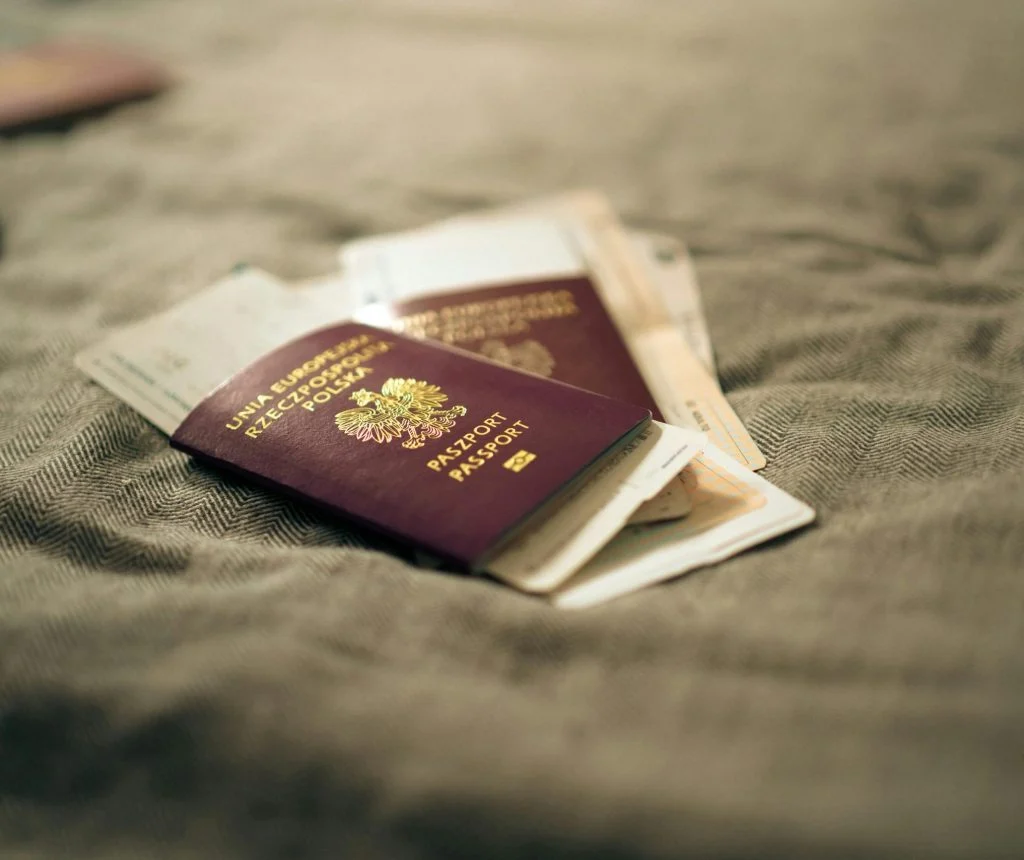
Strong international travel checklist habits can make a trip feel much more manageable before airport day even begins. Travel.State.gov says its International Travel Checklist is designed to help people plan a safe trip abroad, and its planning guidance tells travelers to review destination requirements, local laws, and official travel information before departure.
1. Review the official travel guidance before you start packing
One of the most useful international travel checklist habits is checking the destination guidance before focusing on the suitcase. Travel.State.gov says travelers should review the current Travel Advisory, entry requirements, local laws, and tips from the U.S. embassy or consulate for the place they plan to visit.
This matters because the rest of the trip depends on those basics. A traveler cannot prepare well for airport day if entry rules, local laws, or official warnings are still unclear. This is an inference based on the State Department’s planning guidance.
2. Use a checklist instead of memory alone
Travel plans often involve more moving parts than people expect. Travel.State.gov’s checklist covers destination review, STEP enrollment, travel documents, medicines and health, travel insurance, and other practical planning needs.
A short checklist often works better than memory because it turns preparation into a repeatable routine instead of a rushed last-minute effort. That practical takeaway is an inference from the structure of the official checklist.
3. Enroll in STEP before departure
Another strong safety habit is joining STEP before the trip begins. Travel.State.gov says STEP is the Smart Traveler Enrollment Program, a free service that sends timely email updates and alerts from U.S. embassies and consulates abroad. :contentReference[oaicite:5]{index=5}
This adds one more useful layer of official support before the traveler leaves home. That is a direct practical implication of the State Department’s STEP guidance.
4. Make copies of your important travel documents
Travel.State.gov says travelers should gather required travel documents, make multiple copies, give a set to a trusted friend or family member, keep another set separate from the originals, and take photos of travel documents on a mobile phone.
This is one of the simplest habits on the checklist because lost or stolen originals are much easier to deal with when backup information already exists. That conclusion follows directly from the checklist’s instructions about document copies.
5. Verify medicine rules before the trip feels final
Travel.State.gov’s medicine and health guidance says travelers should verify prescription medication rules for travel with the foreign embassy of each country they plan to visit or pass through. It also says some countries require special permissions or permits for certain medicines.
This matters because medicine problems can become expensive and stressful after booking. A simple early check often prevents a much bigger problem later. The second sentence is an inference based on the State Department’s medicine guidance.
6. Prepare your health plan around the actual itinerary
CDC’s Yellow Book says the pre-travel consultation should consider the traveler’s health background, itinerary, trip duration, travel purpose, and planned activities because all of these affect travel risk. It also says the pre-travel consultation is the best opportunity to educate travelers about destination health risks and how to reduce them.
That means a stronger travel plan often starts with matching health preparation to the destination rather than using the exact same routine for every trip. This is an inference grounded in CDC’s itinerary-based guidance.
7. Build a small travel health kit before departure
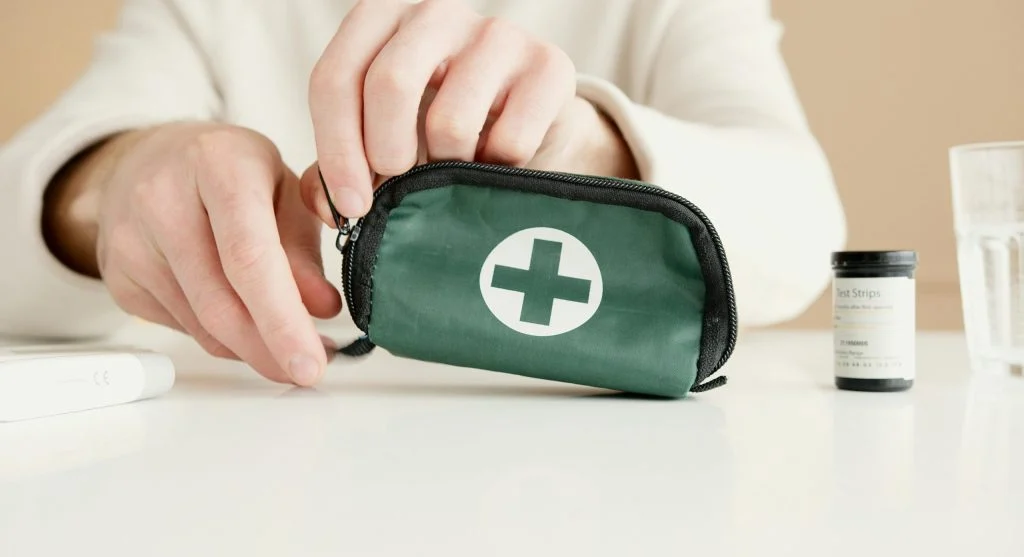
CDC’s Yellow Book includes travel health kits as a core topic in preparing international travelers, alongside pre-travel consultations, food and water precautions, and last-minute travel planning.
This supports a simple habit: prepare a small kit before travel instead of hoping familiar supplies will be easy to find after arrival. That practical takeaway is an inference based on CDC’s preparation framework.
8. Do not skip preparation just because departure is close
CDC’s Yellow Book says even last-minute travelers can still benefit from essential vaccines and travel-health advice, which means useful preparation can still happen even when departure is close.
This is one of the most helpful checklist lessons because it reduces the temptation to give up on preparation once the travel date feels near. That conclusion is an inference based on CDC’s last-minute traveler guidance.
Frequently Asked Questions
Q: What are the most useful international travel checklist habits?
A: The most useful international travel checklist habits include reviewing official guidance, using a checklist, enrolling in STEP, copying documents, checking medicine rules, and preparing a health plan that fits the trip.
Q: Why should travelers enroll in STEP?
A: Travel.State.gov says STEP is a free service that sends timely email alerts and updates from U.S. embassies and consulates abroad.
Q: Why does the pre-travel consultation matter?
A: CDC says the pre-travel consultation is the best opportunity to educate travelers about destination health risks and how to mitigate them.
Q: Is it still useful to prepare when a trip is close?
A: Yes. CDC’s Yellow Book says last-minute travelers can still benefit from essential vaccines and health advice.
Key Takeaway
Strong international travel checklist habits help travelers avoid preventable problems by turning official safety guidance into a repeatable routine. Travel.State.gov and CDC both support reviewing advisories, copying documents, checking medicine rules, using STEP, and matching health planning to the actual trip. A smoother journey often starts with a better checklist at home.














Post Comment