8 Day-Hike Planning Habits That Help Outdoor Trips Feel Safer From the Start
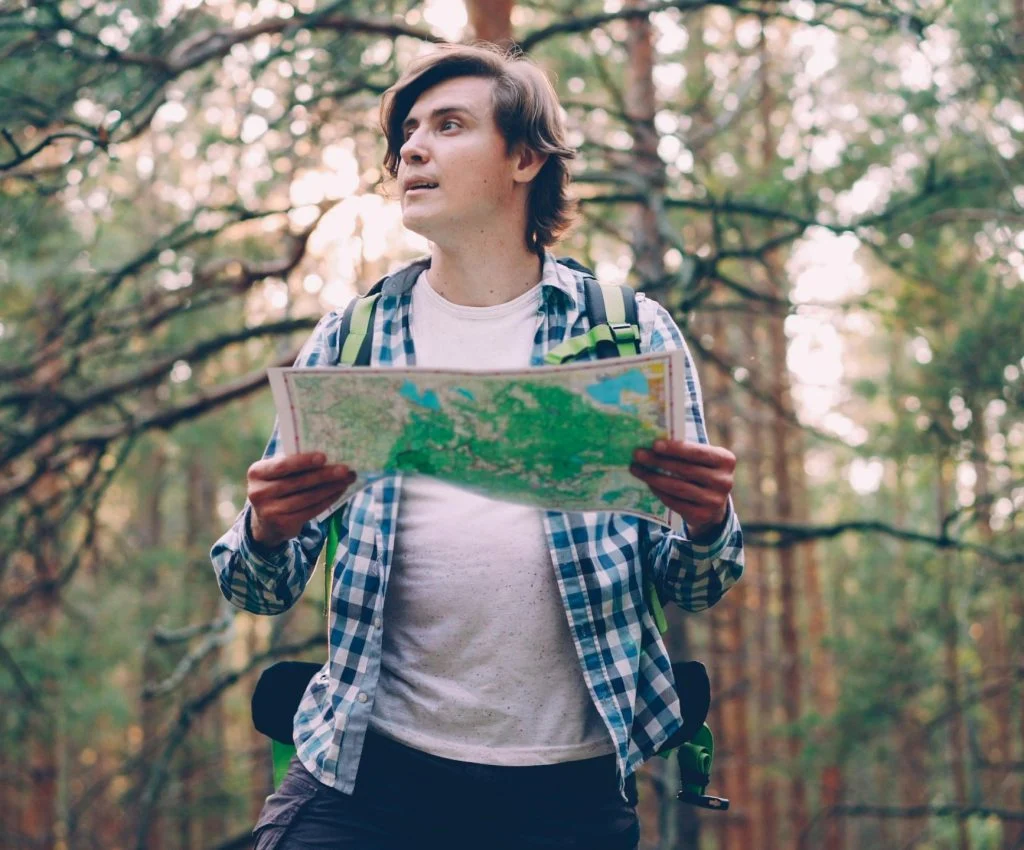
Strong day-hike planning habits can make an outdoor trip feel much safer before the first step on the trail. Many hiking problems do not begin with one dramatic mistake. They begin with smaller planning gaps, such as choosing a route that does not fit the group, skipping a weather check, or heading out without core emergency gear. The National Park Service says planning is an important step in being prepared for a hike and tells hikers to pick the right trail, leave a trip plan, check the weather, and always pack the 10 Essentials.
1. Pick the trail that fits the group, not only the goal
One of the most useful day-hike planning habits is choosing a route that fits the real abilities of the people going. The National Park Service says hikers should pick the right trail for themselves and their group, recognize everyone’s abilities, and choose a trail the group can complete safely and enjoy. It also says hikers should think honestly about experience level, fitness, trail conditions, and whether they are hiking alone or with others.
This matters because a trail day often feels safer when the route is realistic from the start. A better hike is usually the one the group can finish calmly, not the one that only looks exciting on paper. That second sentence is an inference based on NPS guidance about choosing trails by skill and group ability.
2. Leave a trip plan with someone who is not going
A strong hiking day starts with someone else knowing the basics. The National Park Service says hikers should complete a trip plan with route details, contact information, arrival and return timing, and the names of the people going, then leave that information with a trusted friend or family member who is not on the trip. NPS says those details can be very helpful to search and rescue teams in an emergency.
This is one of the simplest planning habits because it takes little time but creates a strong backup if the day changes unexpectedly. That practical point follows directly from the NPS explanation of why trip plans matter.

3. Check the weather and keep a Plan B ready
Weather is one of the biggest reasons a simple hike can become much harder than expected. The National Park Service says hikers should check the weather before heading out, be prepared to seek shelter if severe weather appears, and have a Plan B ready if conditions are not ideal.
This makes weather review one of the strongest trail routines, not a last-minute extra. A forecast check is useful, but the habit becomes stronger when hikers are also willing to shorten the route, start earlier, or switch plans when conditions do not look right. The second sentence is an inference supported by NPS advice to check weather and keep a Plan B ready.
4. Pack the Ten Essentials every time
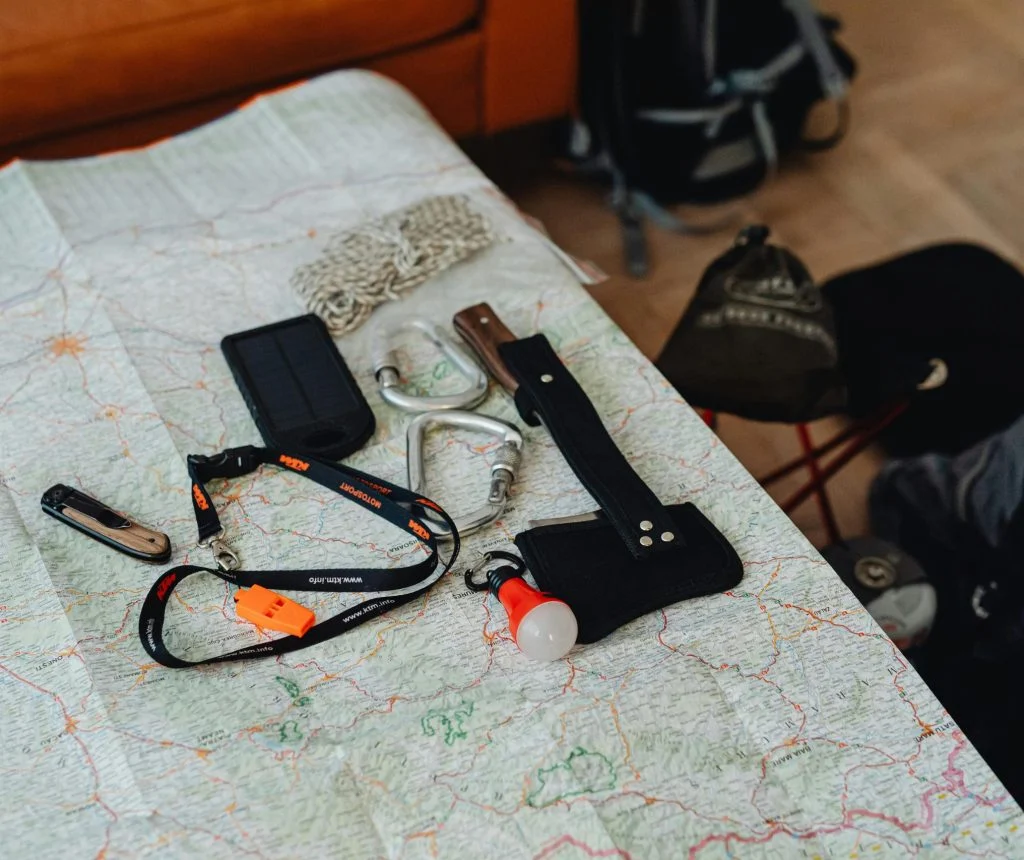
The National Park Service says hikers should always pack the 10 Essentials and explains that they are the minimum items everyone should have while recreating outdoors. NPS also says hikers should carry them even on short sightseeing hikes because they help with minor injuries, sudden weather changes, and unexpected delays. Leave No Trace similarly recommends packing the Ten Essentials for every outdoor trip.
This matters because emergency gear works best as a routine, not as a debate before each trail day. Hikers usually feel more prepared when the basics are always packed. That last sentence is an inference based on NPS and Leave No Trace guidance.
5. Plan water and food before you plan speed
The National Park Service says hikers should think about how much water they will need, especially in hot weather, and should plan ahead to prevent dehydration or heat-related illness. It also says hikers should think about how long they will be out, bring food with good nutritional value, and even carry an extra day’s supply of food just in case.
This is a useful reminder that strong trail planning is not only about distance. Water and food affect judgment, pace, and overall comfort throughout the day. That conclusion is an inference grounded in NPS guidance about hydration and extra food.
6. Set a turn-around time before the hike begins
The National Park Service says hikers should keep track of time and distance, remember that total hike time includes both the way out and the way back, and set a turn-around time if the trip is taking longer than planned. NPS specifically says hikers should stick to that turn-around time so they do not get stuck outside in the dark.
This works well because it removes one of the hardest trail decisions from the most tiring part of the day. Instead of debating when to head back after everyone is already tired, the rule already exists. That is an inference based on NPS guidance about tracking time and setting a turn-around point.
Credit: www.kaboompics.com / Pexels
7. Let the slowest hiker shape the pace
The National Park Service says hikers should let the slowest hiker set the pace, keep the group together, and put the slowest hiker near the front. NPS says this reduces the chance of someone getting lost and makes it easier to help if someone gets injured. It also says hikers should take breaks often and that a good rule of thumb is that if you can talk while walking, the pace is about right.This is one of the most helpful outdoor habits because strong pacing supports both safety and enjoyment. A group that moves steadily usually makes better decisions than one trying to move as fast as its strongest member. The second sentence is an inference grounded in NPS pacing guidance.
8. Review the hike after you return
Leave No Trace says travelers should evaluate their trip upon return and note changes they will make next time.
This habit often improves future hikes more than people expect. A short review of route choice, water needs, group pace, and gear can make the next trail day safer and more organized. That practical benefit is an inference based on Leave No Trace guidance to evaluate the trip and adjust future planning.
Frequently Asked Questions
Q: What are the most useful day-hike planning habits?
A: The most useful day-hike planning habits include choosing the right trail, leaving a trip plan, checking the weather, packing the Ten Essentials, setting a turn-around time, and pacing for the slowest hiker.
Q: Do hikers really need the Ten Essentials on short hikes?
A: Yes. The National Park Service says hikers should carry the 10 Essentials even on short sightseeing hikes because they help with minor injuries, sudden weather changes, and unexpected delays.
Q: Why is a turn-around time so important on a hike?
A: NPS says hikers should set a turn-around time if the trip is taking longer than planned and stick to it so they do not get stuck outside in the dark.
Q: Why should hikers review the trip after they come back?
A: Leave No Trace says travelers should evaluate their trip upon return and note changes they will make next time.
Key Takeaway
Strong day-hike planning habits help outdoor trips feel safer from the start by turning route choice, weather checks, trail backups, and gear planning into a repeatable system. Official guidance supports leaving a trip plan, packing the Ten Essentials, tracking time, and reviewing the day afterward. A safer hike usually begins long before the trailhead.












Post Comment