8 Travel-with-Kids Habits That Help Family Trips Feel More Prepared From the Start
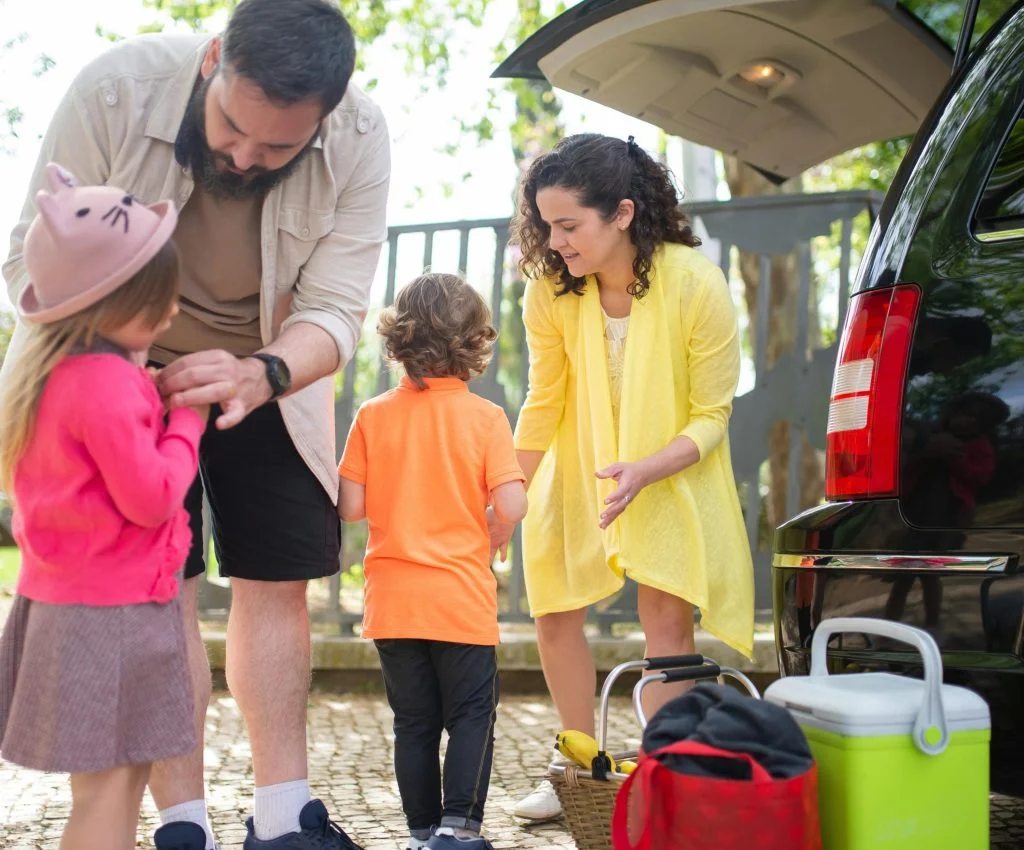
Strong travel-with-kids habits can make family trips feel much easier before the journey even begins. Many family travel problems do not start with a major emergency. They often start with smaller gaps, such as missing child paperwork, no snack backup, or too much planned for the first day. Official guidance supports a more careful approach. Travel.State.gov says families should research destination-specific rules for minors, and CDC says changes in schedule, activities, and environment can be stressful for children.
1. Keep all child travel documents in one reliable place
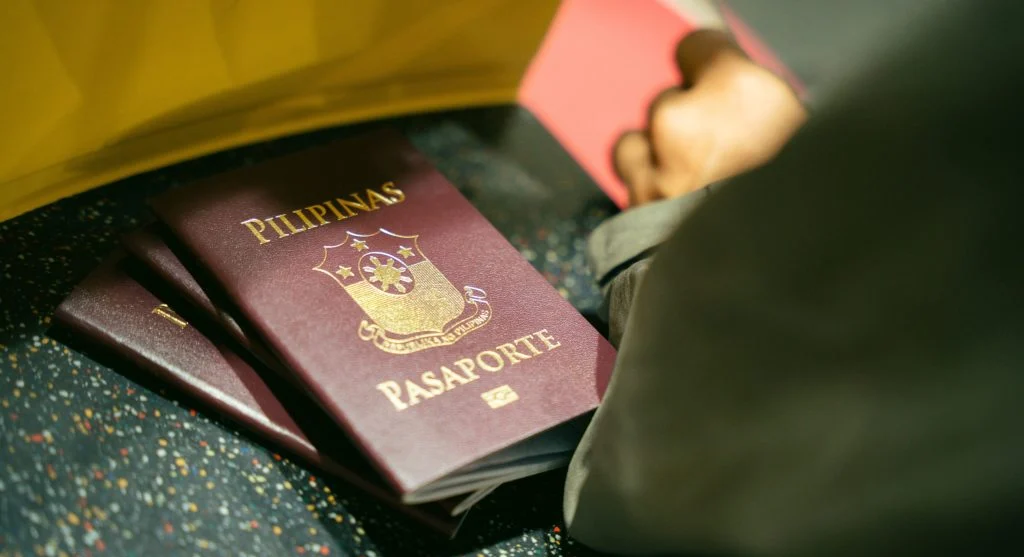
One of the most useful travel-with-kids habits is keeping all child-related papers together in one document pouch instead of spreading them across several bags. Travel.State.gov says adults should always bring a copy of each child’s birth certificate or other evidence of their legal relationship to the child. It also says some countries may require a signed and notarized consent letter from the non-traveling parent or proof of sole legal custody.
This often helps because airport, hotel, and border moments feel much easier when the right papers are already together and easy to reach. That is a direct practical takeaway from the State Department’s guidance.
2. Check destination rules for minors before the trip feels final
Family travel paperwork is not the same everywhere. Travel.State.gov says travelers should research destination-specific requirements for minors and review the entry or exit rules that apply to the family. It notes that laws and regulations vary and that in some places a minor cannot depart without a legal parent or guardian, while others require formal consent from the non-traveling parent.
This makes one early planning habit especially useful: check what the destination expects from children before the trip becomes hard to change. That conclusion follows directly from the official guidance.

3. Build safe snacks and food routines into the plan
Food can shape the tone of a family travel day very quickly. CDC says adults should make sure traveling children follow safe food and water precautions and wash their hands frequently to help prevent food-borne and waterborne illness. CDC also says parents might want to bring a supply of safe and familiar snacks from home for times when children are hungry and available food might not be appealing or safe.
This makes snacks more than a comfort item. They are often one of the easiest ways to keep a family day calmer and more manageable when timing shifts. That is an inference based on CDC’s guidance about safe food, handwashing, and familiar snacks.
4. Treat child road safety as part of the trip, not just the destination
Many family trips involve more than flights. The first taxi, transfer, or rental-car ride can matter just as much as the airport itself. CDC says children should be properly restrained in a car seat, booster seat, or seat belt, as appropriate for their age, height, and weight. It also says car seats often must be brought from home because well-maintained and approved seats might not be available in other countries.
This is why safer ground transport should be decided before arrival instead of improvised when everyone is already tired. That recommendation is a direct practical inference from CDC’s road-safety guidance for children.
5. Keep a child health pouch easy to reach
Health items often matter most when children are tired, delayed, or uncomfortable. CDC says diarrheal illnesses are among the most common travel-related problems affecting children and notes that infants and children with diarrhea can become dehydrated more quickly than adults.
A small pouch for children’s medicine and basic care items often helps parents respond faster and with less stress. That is an inference based on CDC’s warning about common gastrointestinal illness and dehydration risk in child travelers.
6. Reduce separation risk with simple identifying information
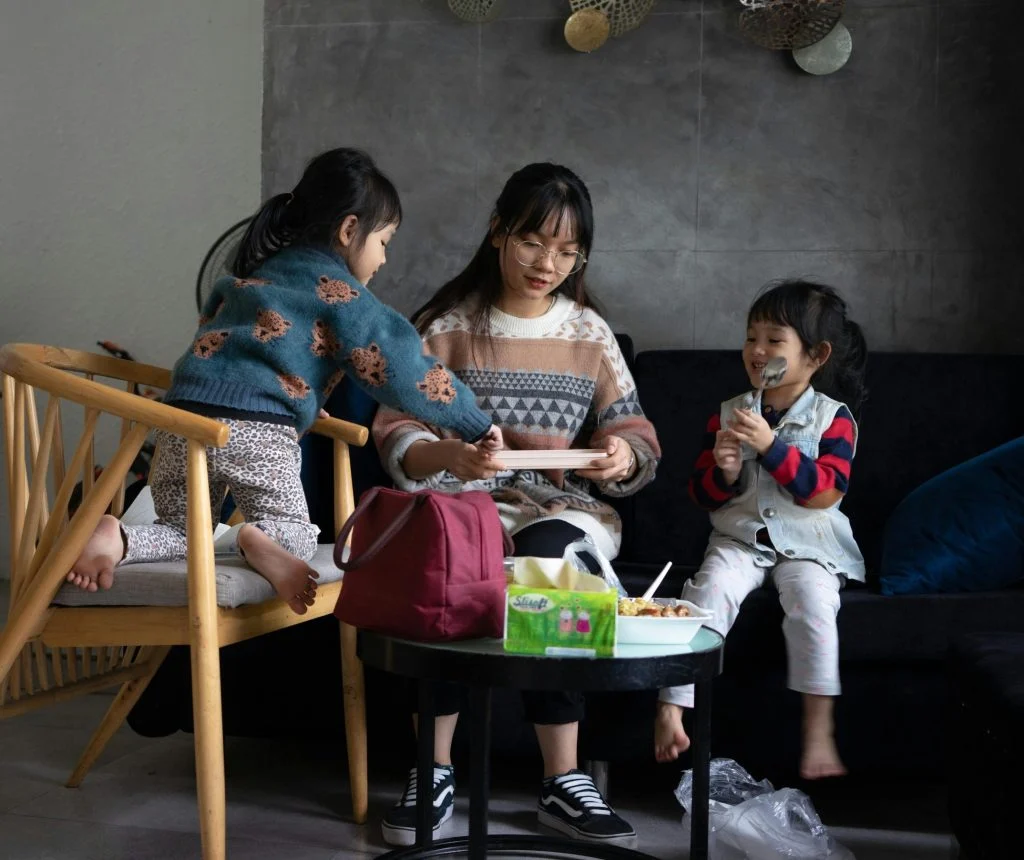
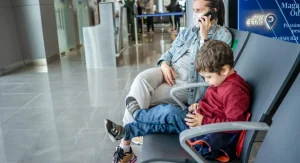
Busy airports, stations, and public spaces can feel overwhelming to children. CDC says infants and children should carry identifying information and contact numbers in their clothing or pockets in case family members become separated. It also says a parent traveling alone with children should carry relevant custody papers or a notarized permission letter from the other parent.
This is one of the simplest family safety habits because it takes very little effort but can matter a great deal in a crowded place.
Credit: Q. Hưng Phạm / Pexels
7. Help children handle travel stress with familiar routines
CDC says changes in schedule, activities, and environment can be stressful for children. It adds that travelers can help decrease these stresses by including children in planning for the trip and bringing along familiar toys or other objects.
This means one of the strongest travel-with-kids habits is not only packing better, but also keeping parts of the day familiar enough that children feel steadier in an unfamiliar place. That is an inference grounded in CDC’s guidance on travel stress in children.
8. Keep the first day lighter than the rest of the trip
Family trips often go more smoothly when arrival day is simpler than the rest of the schedule. CDC’s guidance makes clear that travel can be stressful for children because of changes in routine and environment.
That suggests a practical habit: protect the first day from too much activity. A calm check-in, a meal, and a short easy outing often work better than trying to fit in a full sightseeing schedule right away. This is an inference based on CDC’s discussion of travel stress and the value of familiar supports for children.
Frequently Asked Questions
Q: What are the most useful travel-with-kids habits?
A: The most useful travel-with-kids habits include keeping child documents together, checking destination rules for minors, packing safe snacks, planning road safety early, and keeping identifying information with children.
Q: Do families need extra paperwork for international travel with children?
A: Sometimes. Travel.State.gov says some countries require proof of a legal relationship to the child and may also require a notarized consent letter from a non-traveling parent or proof of sole legal custody.
Q: Why are snacks and food precautions so important for children during travel?
A: CDC says adults should make sure children follow safe food and water precautions and notes that parents may want to bring safe and familiar snacks from home when suitable food may not be available right away.
Q: What road safety advice matters most for children during travel?
A: CDC says children should be properly restrained in a car seat, booster seat, or seat belt as appropriate, and it notes that approved car seats may need to be brought from home.
Key Takeaway
Strong travel-with-kids habits help family trips feel more prepared from the start because they reduce avoidable stress before the journey begins. Official guidance supports carrying the right child documents, planning safe food and road routines, and using familiar supports to help children handle travel changes. Family travel usually feels easier when simple safety habits are already built into the plan.









Post Comment