8 Solo Arrival Habits That Help Travelers Feel More Confident in a New Place
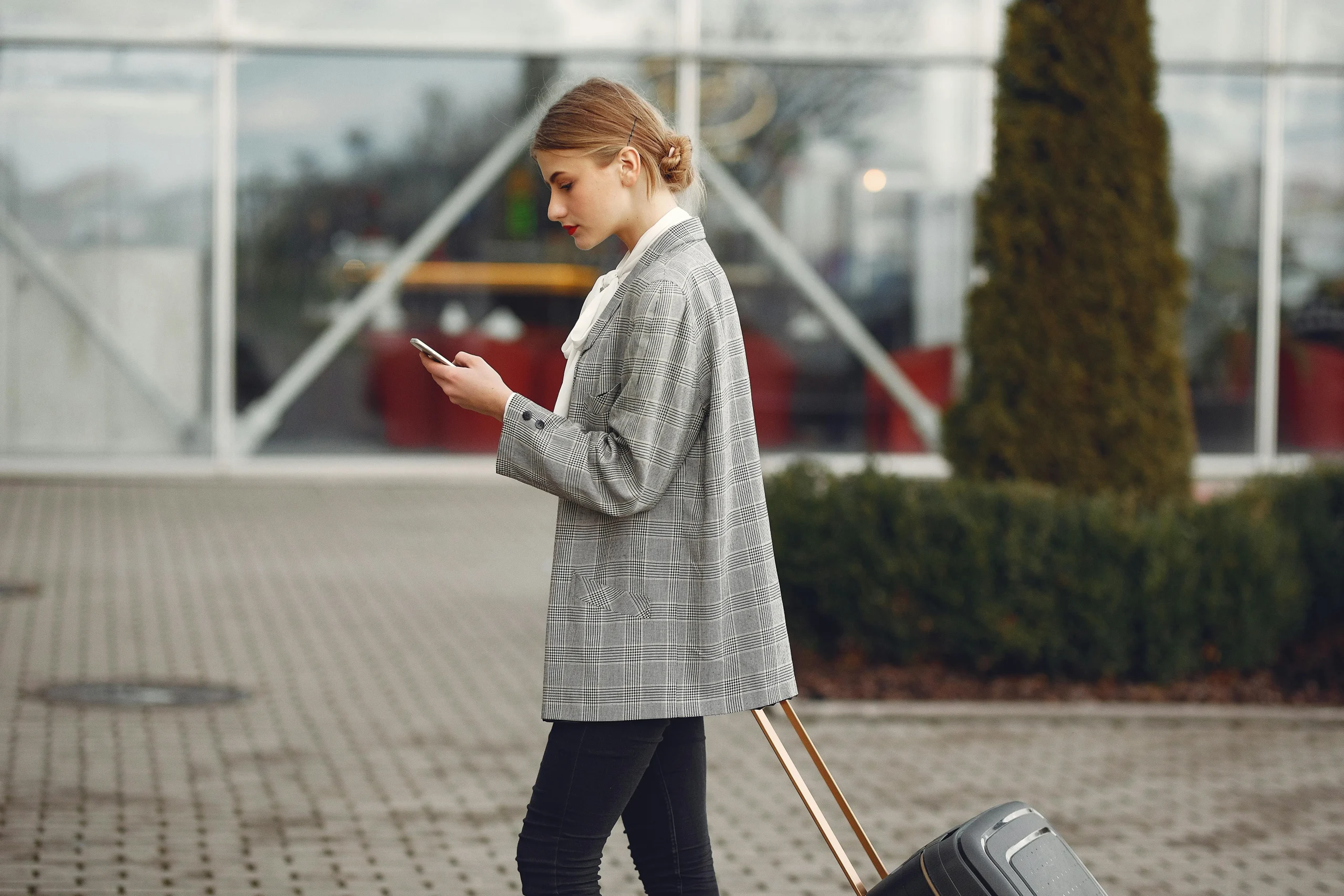
Good solo arrival habits can make the first hours in a new destination feel calmer and easier to manage. Many solo travelers feel most uncertain right after landing or arriving at a station. There may be crowds, luggage, unfamiliar signs, and the pressure of reaching the hotel without delays.
That first stage often shapes the whole trip. When the arrival plan is simple, the traveler usually feels more confident. When the first step is unclear, even a good destination can feel stressful at the start.
1. Decide the first move before the trip begins
One of the strongest solo arrival habits is knowing exactly what the first move will be after arrival. This usually means deciding how to leave the airport or station, how to reach the accommodation, and what to do if the first plan changes.
Solo travel often feels hardest when every decision begins at once. A clear first step reduces that pressure. It can be as simple as knowing which transport option is most practical and where to go after baggage claim or platform exit.
This habit helps because the traveler is not solving the whole trip at once. The only goal is reaching the first safe stop smoothly.
2. Keep documents and key details easy to reach
Important items should never be packed so deeply that they become hard to access during arrival. Passport, booking details, phone, charger, and one payment method usually work best when they stay in one easy-to-reach section of the bag.
Traveling alone often means there is no second person nearby to help search for something quickly. A repeatable document system saves time and prevents panic in public places.
Many solo travelers feel more in control when the same pocket or pouch is used every time. Consistency often matters more than complicated organization.

3. Step aside before checking directions
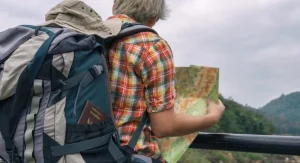
Many travelers stop suddenly in the middle of a busy walkway when they need to check maps or arrival details. A better habit is stepping into a quieter corner, café entrance, or waiting area before looking at the phone or changing the plan.
This helps in two ways. First, it reduces confusion in crowded spaces. Second, it lets the traveler think more clearly without feeling rushed by the flow of people around them.
For solo travelers, that small pause often creates a stronger sense of control. Calm decisions are easier when the traveler is not trying to solve everything while still moving through a crowd.
4. Keep one contact plan that does not depend on memory
A solo traveler often feels more secure when one trusted person at home knows the broad plan. This can include the hotel name, general arrival timing, and the main destination for the first day.
That backup does not need to feel dramatic. It is simply a practical layer of preparation. If a flight is delayed, the phone runs low, or the traveler changes plans, someone else still has the basic context.
Many solo travelers also find it useful to keep a written version of key contact details in the bag. A paper note can still help when a battery runs low or signal becomes unreliable.
5. Pack arrival-day essentials at the top of the bag
A solo arrival often feels smoother when the bag is packed for the journey, not only for the destination. Items needed in the first few hours should be easy to reach without opening the whole suitcase.
This may include a light layer, charger, medication, transport note, headphones, or one small comfort item. These things are not glamorous, but they often shape how manageable the first day feels.
Travelers usually do better when they think about the arrival window separately from the rest of the trip. The first few hours have their own needs.
6. Keep the first day lighter than the rest of the trip
One of the best solo travel habits is avoiding an overloaded first day. Even an exciting destination can feel tiring after a flight or long train ride. Arrival day often works better when it includes only one or two clear goals.
This may mean reaching the accommodation, having a simple meal, taking a short walk nearby, and reviewing the next day’s plan. A slower first day often makes the rest of the trip feel stronger.
Solo travelers do not need to prove anything in the first few hours. They often gain more confidence by settling in well than by rushing into sightseeing immediately.
7. Use low-profile habits in public spaces
Solo travel often feels more comfortable when the traveler keeps a calm and lower-profile style in unfamiliar public areas. This usually means moving steadily, avoiding open displays of valuables, and keeping attention on surroundings rather than only on the phone.
That kind of behavior can support both confidence and comfort. A traveler who looks organized and aware often feels more settled as well.
Low-profile habits are not about fear. They are about reducing avoidable stress in the first hours of a trip.
8. End arrival day with a reset routine
A good solo trip often becomes easier when the first day ends with a short reset. This may include charging the phone, checking documents, reviewing the next morning’s first step, and placing important items back in the same place.
That simple habit turns the next day into a clearer start instead of another rushed beginning. Solo travelers often sleep better when they know the most important details are already in order.
Confidence on a solo trip often grows from these small routines. The traveler does not need to feel fully certain all at once. Simple habits build that feeling over time.
Frequently Asked Questions
Q: What are the most useful solo arrival habits?
A: The most useful solo arrival habits include planning the first move early, keeping documents easy to reach, stepping aside before checking directions, and keeping the first day simple.
Q: Why is the first hour of a solo trip often the hardest?
A: The first hour often combines fatigue, new surroundings, transport decisions, and luggage handling at the same time. A clear arrival plan usually reduces that pressure.
Q: Should solo travelers share their arrival details with someone at home?
A: Many travelers find that sharing the broad plan with one trusted person creates a useful backup. It can make solo travel feel more organized and secure.
Q: What helps solo travelers feel more confident after arriving?
A: A lighter first day, simple routines, organized documents, and calm decision-making often help more than a packed schedule. Confidence usually grows from preparation and repetition.
Key Takeaway
Strong solo arrival habits help travelers turn the most uncertain part of the trip into a calmer, more manageable experience. A clear first-step plan, organized documents, lower-profile public habits, and a simple first day often make traveling alone feel easier. Solo confidence usually grows from good preparation, not from rushing.
INTERNAL LINKING SUGGESTIONS
- 8 Solo Trip Planning Habits That Help Travelers Feel More Prepared
- 8 Backup Travel Safety Habits That Help When Plans Go Wrong Abroad
- 8 Travel Day Habits That Help Airport Mornings Feel Less Stressful






Post Comment