How to Prepare for a Hiking Trip Without Overpacking
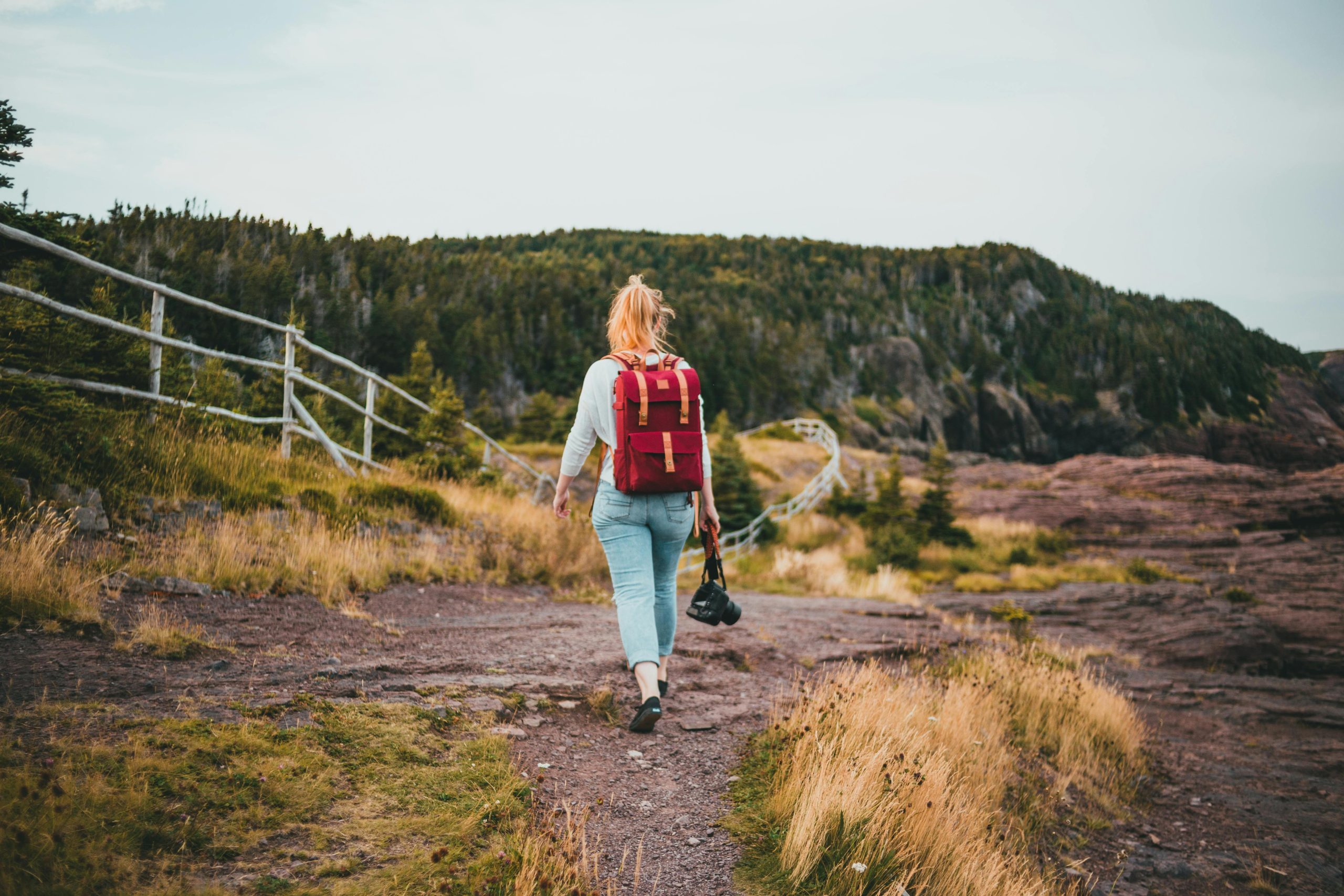
Understanding how to prepare for a hiking trip can make an outdoor day feel safer, easier, and far more enjoyable. Many hiking problems do not begin on the trail itself. They start earlier, with rushed planning, poor weather awareness, the wrong clothing, or a backpack filled with things that are not needed.
Outdoor safety educators often explain that preparation matters more than speed or experience. A shorter hike with the right gear and a realistic plan is usually more comfortable than a longer hike planned in a hurry. Good outdoor travel habits help hikers carry what matters without turning the backpack into extra weight.
Why how to prepare for a hiking trip starts with the trail choice
The first step is choosing a trail that matches the hiker’s comfort level, fitness, and available time. Many outdoor travelers make the mistake of selecting a route based only on photos or popularity. A trail may look simple online while still including steep sections, uneven ground, or longer walking times than expected.
Park guides and hiking educators often recommend checking distance, elevation, surface type, and estimated duration before leaving home. This helps hikers choose a route that fits the day instead of creating pressure halfway through the walk.
A realistic choice usually leads to a better outdoor experience. Hikers who match the trail to their current ability often feel more confident and less tired by the end of the day.
How weather affects how to prepare for a hiking trip
Weather can change the whole meaning of a hike. Heat, wind, cold, or rain may turn a comfortable trail into a much harder one. That is why weather awareness is one of the most important parts of how to prepare for a hiking trip.
Outdoor safety specialists often suggest checking the forecast more than once, especially the evening before and again on the same day. It also helps to think beyond temperature. Strong sun, muddy trails, sudden rain, or changing mountain conditions can affect clothing, water needs, and walking pace.
When conditions look uncertain, hikers often benefit from choosing a shorter route or keeping a backup plan. Changing the plan is not a failure. It is often the smarter outdoor decision.
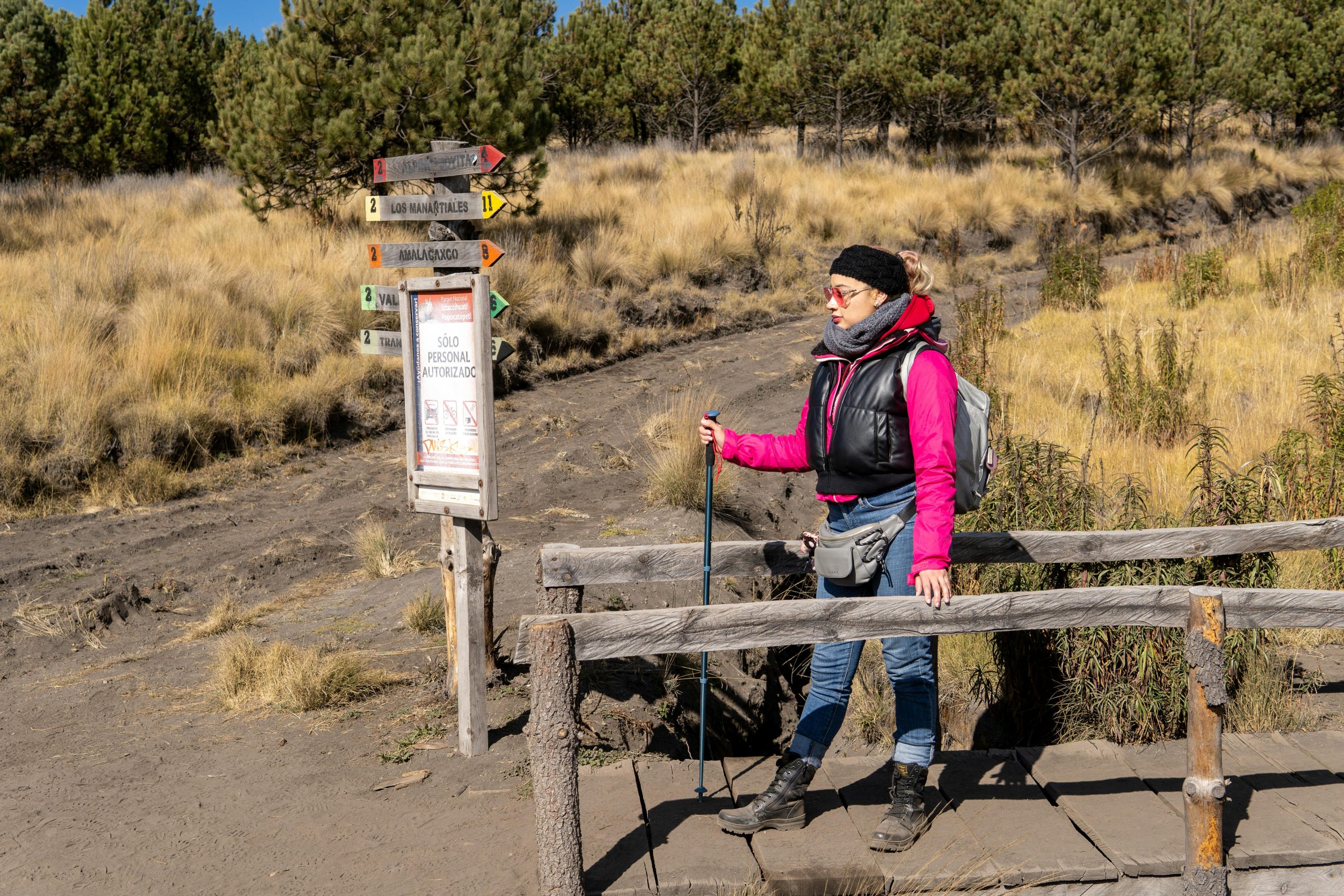
Credit: Israyosoy S / Pexels
What belongs in a simple hiking trip checklist
A practical hiking trip checklist should focus on essentials, not extras. Water, weather-appropriate clothing, sun protection, snacks, a phone or map, and basic personal items often cover most day hikes. Outdoor guides usually recommend thinking in terms of need rather than possibility.
For many hikers, the most useful items are the least dramatic ones. A hat, light rain layer, refillable water bottle, and trail-friendly shoes often matter more than carrying too many gadgets. Emergency educators also note that a charged phone, identification, and a small first-aid item can be helpful even on shorter routes.
Day hike packing becomes easier when items are grouped by purpose. One pocket for hydration, one for quick-access items, and one for food or spare layers keeps the bag organized and easier to use on the trail.
Why overpacking makes hiking harder
Many people assume it is safer to carry as much as possible. In reality, extra weight can make a hike less comfortable, especially for beginners. Heavier bags increase strain on shoulders, lower energy levels, and can make uphill sections feel much harder.
Outdoor travel tips often stress balance. Hikers should bring enough to stay comfortable and prepared, but not so much that walking becomes tiring before the best part of the trail begins. This is especially important on warm days when heavy packs can add to fatigue.
One helpful question is simple: will this item likely be used today? If the answer is no, it may not belong in the backpack for a short or moderate hike.
How clothing choices change the whole hike
Clothing should support movement and changing conditions. Light layers often work better than one bulky piece because they give hikers more control as the day warms or cools. Outdoor specialists often recommend comfortable fabrics that dry faster and allow easier movement than heavy everyday clothing.
Shoes also deserve careful attention. A beautiful trail becomes much less enjoyable when feet hurt early in the walk. Supportive shoes with grip usually matter more than fashion or brand appearance. Socks can matter too, especially on longer trails where friction may become a problem.
Sun exposure should not be ignored either. A hat, light long sleeves, or sunscreen can make a major difference on exposed routes.
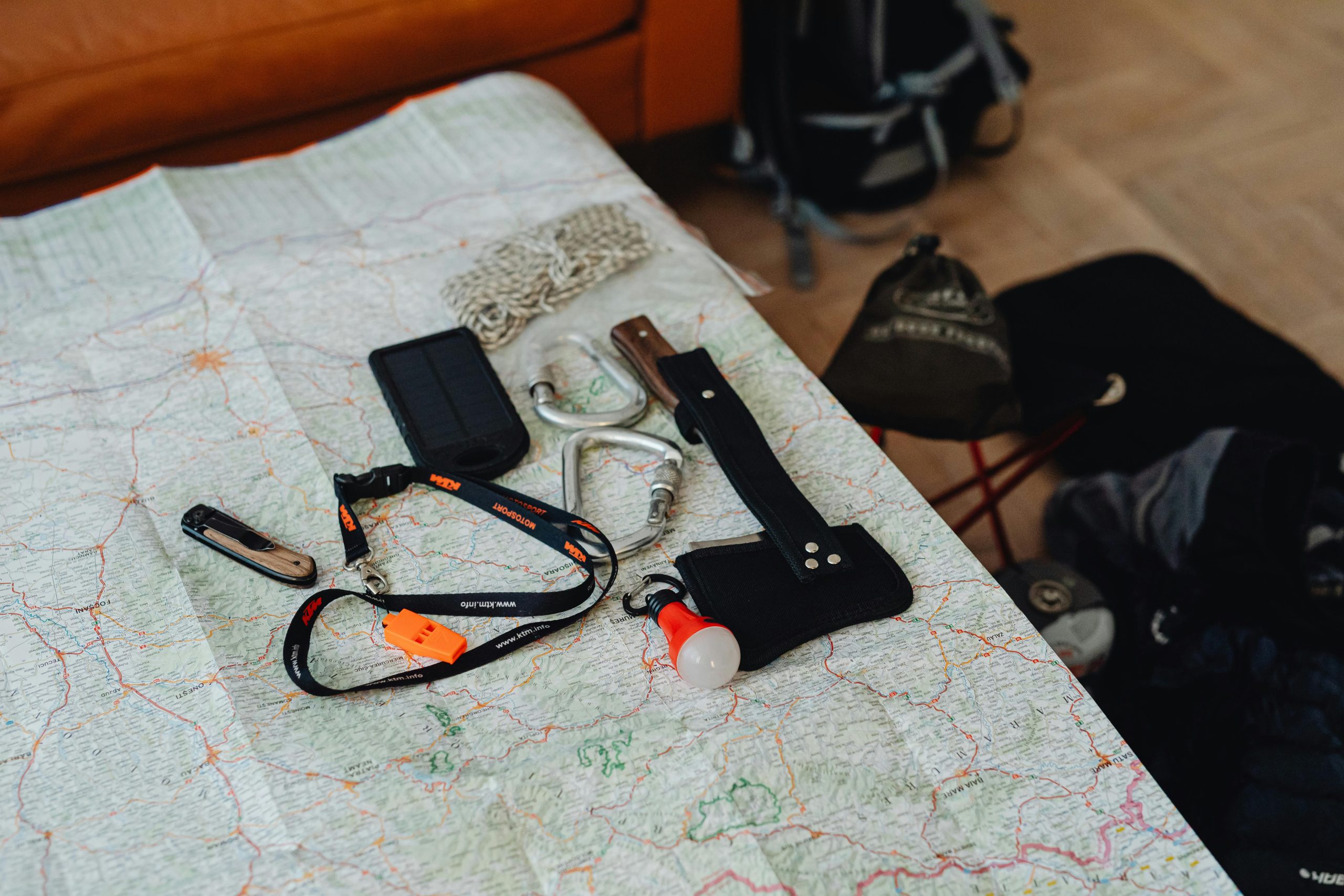
Credit: www.kaboompics.com / Pexels
Outdoor travel tips for timing, food, and hydration
Start time can shape the whole day. Many hikers prefer earlier starts because trails may be cooler, quieter, and easier to manage before the busiest hours. This can be especially helpful on warm-weather routes or popular locations.
Hydration is one of the simplest but most important outdoor travel tips. Hikers often underestimate how much water they need, especially on sunny or uphill routes. Outdoor health educators usually recommend bringing enough water for the full walk and drinking before feeling overly thirsty.
Food should be practical too. Light snacks that are easy to carry and easy to eat during a short break often work better than heavy meals. The goal is steady energy, not a large bag of unnecessary food.
Common mistakes hikers should avoid before leaving
One common mistake is starting too late in the day. Another is assuming a short trail does not require planning. Even simple routes can feel harder when the sun is strong, the weather changes, or the hiker has not eaten or packed well.
Another mistake is forgetting to tell someone the plan. Outdoor safety groups often recommend sharing a basic route and expected return time with a trusted person, especially for quieter trails or less familiar areas.
The final mistake is ignoring the body’s signals. If a route feels harder than expected, a smart hiker can slow down, rest, or turn back. Outdoor travel does not have to become difficult to feel worthwhile.
Frequently Asked Questions
Q: What is the first step in how to prepare for a hiking trip?
A: The first step is choosing a trail that fits the hiker’s time, ability, and comfort level. A realistic route makes planning easier from the start.
Q: What should be on a hiking trip checklist?
A: A hiking trip checklist should include water, suitable clothing, snacks, sun protection, navigation help, and basic personal essentials. The exact list depends on the trail and conditions.
Q: Why is overpacking a problem for hiking?
A: Overpacking adds weight and can make walking more tiring, especially on hills or warm days. Most hikers do better with essential items only.
Q: How much water should hikers carry?
A: Water needs vary by trail length, weather, and effort, but hikers should bring enough for the full route and not rely on finding water later. Hot or exposed trails often require more.
Key Takeaway
Learning how to prepare for a hiking trip means choosing the right trail, checking the weather, packing light, and focusing on essentials. Hikers often have a better outdoor experience when they avoid unnecessary gear and plan for real trail conditions. A well-prepared hiking day usually feels safer, lighter, and far more enjoyable from start to finish.
INTERNAL LINKING SUGGESTIONS
- Travel Safety Tips That Help Travelers Avoid Common Risks
- Budget Travel Tips for National Park and Nature Trips
- How to Pack for a Trip Without Forgetting the Essentials











Post Comment