8 Travel Safety Checks to Make Before an International Trip
Simple travel safety checks before departure can prevent many common issues during an international trip. It’s easy to focus first on flights, hotels, and activities, but safety often comes down to handling the basics early. A few thoughtful steps before leaving home can reduce stress if plans shift, luggage is delayed, or documents go missing.
Official travel guidance consistently highlights the value of preparation. The U.S. State Department recommends reviewing destination-specific advisories, entry requirements, local laws, health considerations, transportation, and weather risks before traveling abroad. The CDC also advises preparing a travel health kit, carrying emergency contacts, and bringing necessary medications from home instead of relying on finding them at the destination.
1. Review destination rules before anything else
One of the most important travel safety checks is understanding the rules and conditions of your destination. Entry requirements, local laws, safety concerns, and transportation systems can vary widely. Even experienced travelers can run into problems when they assume every country operates the same way.
Government travel resources usually organize this information by destination. Official guidance recommends checking travel advisories along with entry rules, local regulations, and transportation details before departure.
2. Make copies of important documents
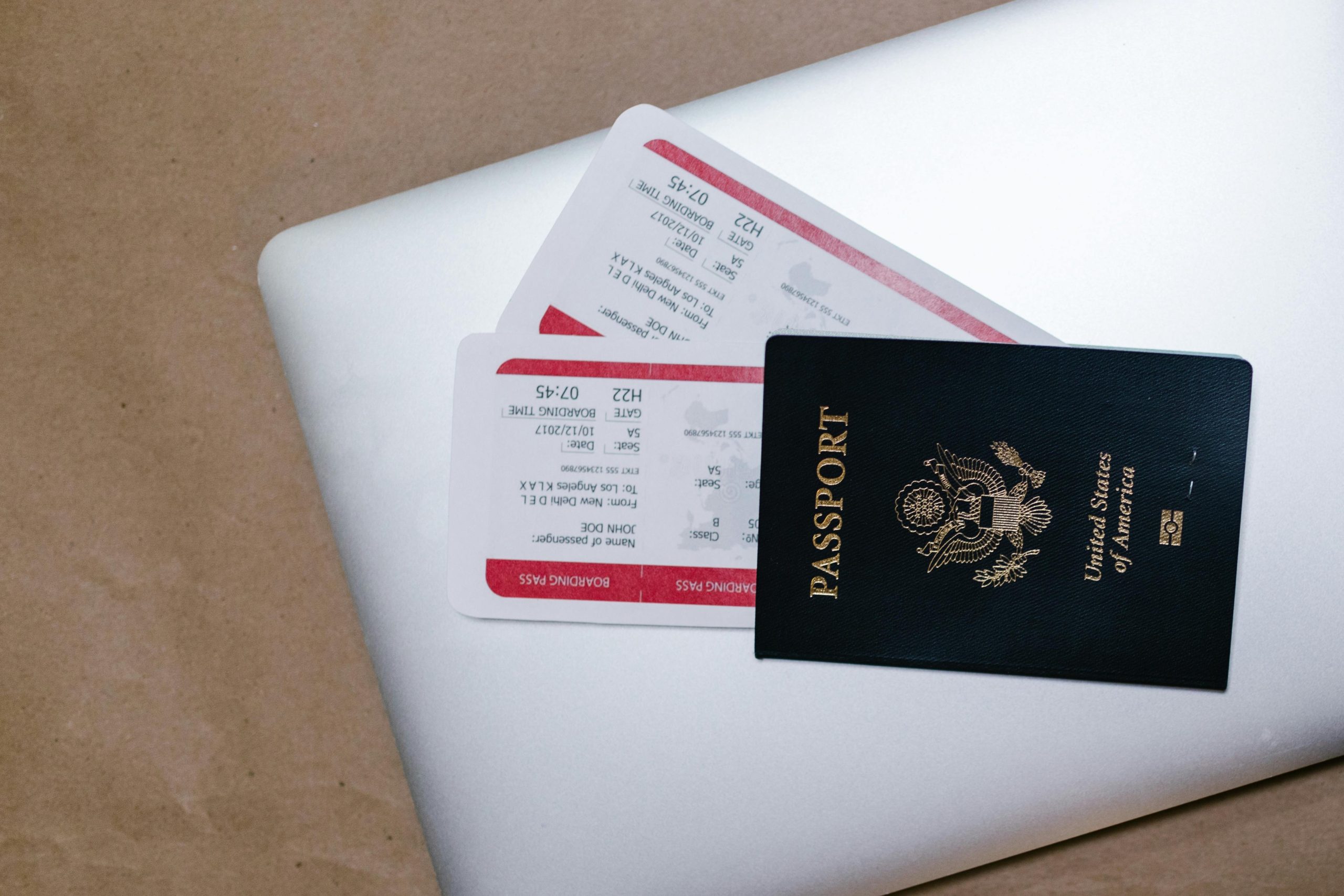
Passports, identification, travel confirmations, insurance details, and reservations should never exist in just one place. A lost bag, a dead phone battery, or a rushed moment at the airport can become much more complicated if everything is stored in a single location.
Travel health and safety guidance suggests carrying both physical and digital copies of important documents, along with key contact information. For some travelers, this also includes prescription details. Having backups gives you more flexibility if something goes wrong.
Credit: RDNE Stock project / Pexels
3. Pack medicines the right way
Medication mistakes can quickly turn into serious travel problems. Some travelers pack important medicine in checked bags, bring too little for the trip, or overlook rules about carrying certain medications across borders.
CDC guidance recommends bringing enough medication for the entire trip, plus extra in case of delays. Medicines should stay in their original labeled containers, and it helps to carry copies of prescriptions with generic names. Keeping medications in your carry-on is especially important in case checked luggage is lost or delayed. It’s also wise to check country-specific rules about medications before traveling.
4. Build a small travel health kit
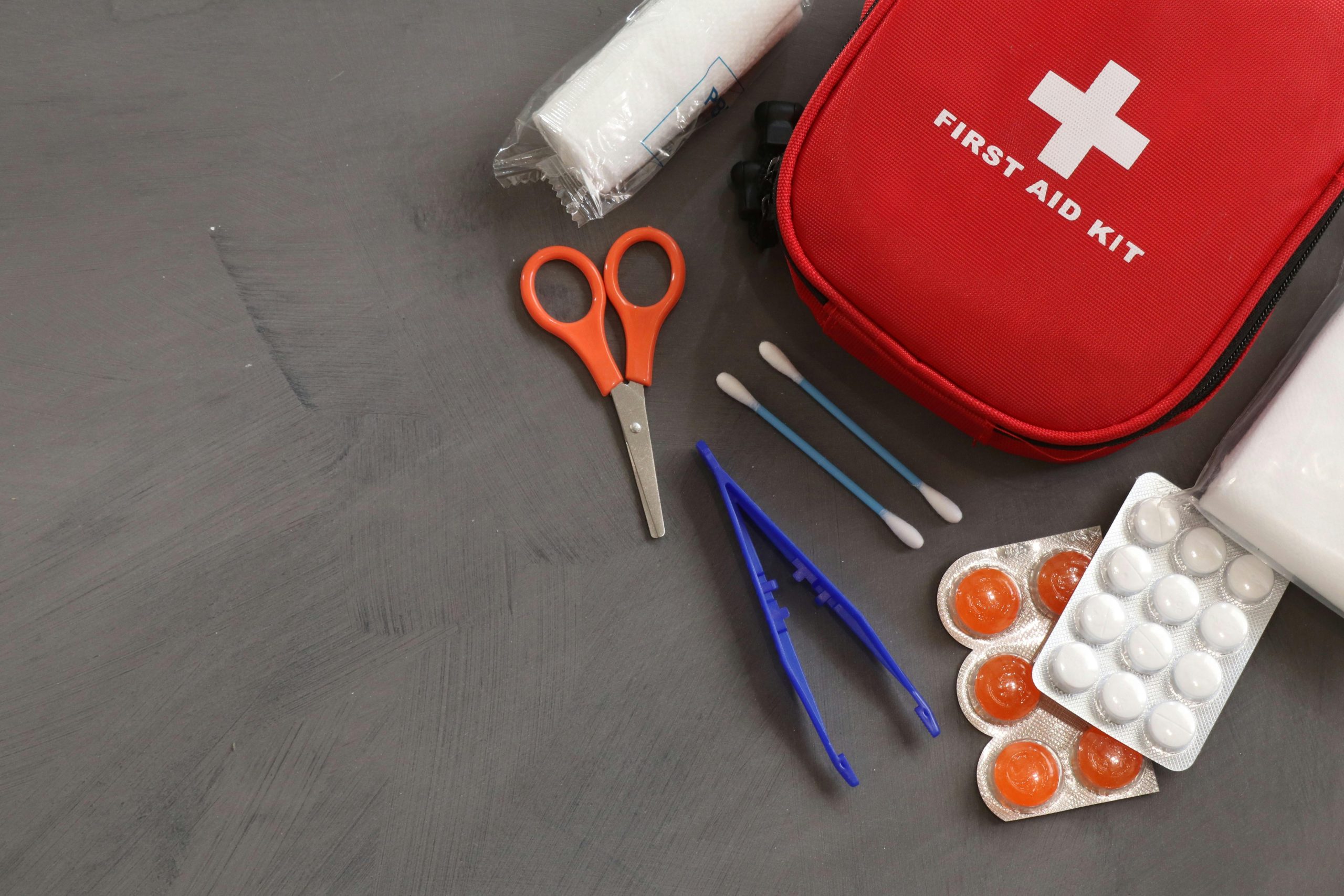
A travel health kit does not need to be extensive to be effective. The goal is to cover common minor issues and personal needs that may be harder to manage in an unfamiliar place.
The CDC Yellow Book recommends that all travelers bring a basic health or first-aid kit tailored to their needs and the type of trip. These kits can help manage minor illnesses, recurring conditions, or small injuries without needing to search for supplies right away.
5. Keep emergency contacts easy to reach
Emergency details are easy to overlook when everything is going smoothly, but they become critical when something goes wrong. Losing a phone, misplacing a bag, or needing urgent help is much easier to handle when key information is already accessible.
CDC travel guidance recommends carrying emergency contacts, including family details, accommodation information, and important phone numbers. Having at least one written copy that does not depend on a phone battery can be especially helpful.
6. Know where help is available abroad
Most travelers won’t need emergency assistance, but it’s still important to know where to turn if something happens. Situations like lost passports, legal issues, or urgent travel problems are easier to manage when you already know which official offices can help.
The U.S. State Department explains that embassies and consulates can assist with emergencies abroad, including lost documents and support in difficult situations. Looking up this information in advance can save time and reduce stress if you need it.
Credit: Roger Brown / Pexels
7. Do not assume everyday items will be easy to replace
It’s common to assume that anything forgotten can be purchased after arrival. That may be true for some items, but not always for medications, health supplies, important documents, or specific personal items. Small oversights can become bigger challenges when you’re tired, delayed, or unfamiliar with your surroundings.
CDC guidance warns that counterfeit medications are common in some areas and recommends bringing necessary medicines from home. The same idea applies more broadly to other essential items—having them with you is often more reliable than trying to replace them later.
8. Share the basic trip plan with someone you trust
Sharing a simple version of your travel plans can be helpful if communication breaks down or schedules change. This doesn’t need to be detailed—flight information, accommodation details, key contact numbers, and general travel dates are usually enough.
Safety experts often recommend this as a basic precaution. When combined with document backups, emergency contacts, and destination research, it helps create a more complete and reliable pre-trip safety routine.
Frequently Asked Questions
Q: What are the most important travel safety checks before an international trip?
A: Reviewing destination rules, copying documents, packing medications properly, and carrying emergency contacts are some of the most important steps.
Q: Should travelers keep medicine in checked luggage?
A: No. CDC guidance recommends keeping medications in carry-on bags in case checked luggage is lost or delayed, along with original labels and prescription copies.
Q: Why is a travel health kit useful?
A: A travel health kit helps manage minor illnesses, injuries, and ongoing conditions without needing to find supplies immediately in a new location.
Q: Where can travelers get official help abroad in an emergency?
A: Embassies and consulates, as noted by the U.S. State Department, can assist with emergencies such as lost passports and other urgent issues.
Key Takeaway
Strong travel safety checks begin before the traveler reaches the airport. Reviewing destination rules, copying documents, preparing medicines, and carrying emergency contacts can prevent many common travel problems. A simple, organized pre-trip routine often makes international travel feel safer, calmer, and easier to manage.
INTERNAL LINKING SUGGESTIONS
- 8 Travel Mistakes First-Time Flyers Often Make and How to Avoid Them
- How to Pack for a Trip Without Forgetting the Essentials
- Solo Travel Tips That Help New Travelers Feel More Confident












Post Comment