8 Family Arrival Habits That Help Travel Days Feel Easier With Children
 Credit: Alena Darmel / Pexels
3. Keep food, water, and hand hygiene in mind from the start
Children often feel the effects of travel disruption quickly. A missed meal, unsafe snack choice, or poor hand hygiene can turn a smooth arrival into a difficult first day.
The CDC says adults should ensure traveling children follow safe food and water precautions and frequently wash their hands to prevent food-borne and waterborne illness. It also notes that parents may want to bring safe and familiar snacks from home when suitable food may not be available right away.
This makes snacks, drinking water plans, and simple hand-cleaning supplies more important than they may first appear. For many families, these small details help prevent frustration during the arrival window.
4. Treat child road safety as part of arrival planning
Family travel does not end when the plane lands. Road transfer after arrival is often one of the most important parts of the day, especially when children are tired and adults are trying to move quickly.
The CDC says children should be properly restrained in a car seat, booster seat, or seat belt as appropriate for their age, height, and weight. It also says car seats often need to be brought from home because approved seats may not be available, and children 12 and under are safest properly buckled in the rear seat.
That makes safe ground transport one of the strongest family travel safety habits. Families often benefit from deciding this before the trip rather than assuming the destination will solve it for them.
5. Keep a child-focused health kit easy to reach
Arrival day can be harder when a child needs medicine, a familiar health item, or quick care supplies that are buried in checked luggage. A small, easy-to-reach health pouch often saves time and lowers stress.
The CDC’s Yellow Book says children can experience the same travel risks as adults and may have more serious consequences from infection or injury. It also recommends families prepare children for planned international travel and think through health needs in advance.
For many families, this means treating medications, oral rehydration items, and a few basic care supplies as carry-on priorities rather than optional extras.
6. Build one simple contact backup for the family
Parents often travel with more moving parts than solo travelers. There may be several documents, more bags, and more chances for things to feel scattered during arrival.
A useful family arrival habit is keeping one simple written backup with hotel details, emergency contacts, and the main arrival-day plan. This helps if a phone battery runs low or if one adult needs to handle a quick change while the other stays with the children.
Simple backup details do not need to be complicated. They only need to be easy to reach when the family is tired and trying to stay organized.
 Credit: Chris F / Pexels
7. Keep the first day lighter than the rest of the trip
One of the best arrival habits for families is protecting the first day from too much activity. Children may be excited, but they are often also tired, hungry, or less flexible after long travel.
Families usually do better when arrival day focuses on check-in, a meal, and a short nearby activity instead of a full sightseeing schedule. A lighter first day often helps children settle more quickly and helps adults make calmer decisions.
This is especially helpful because the first day shapes the tone of the trip. A smooth start often makes the rest of the travel week feel easier.
8. Watch shared spaces with children in mind
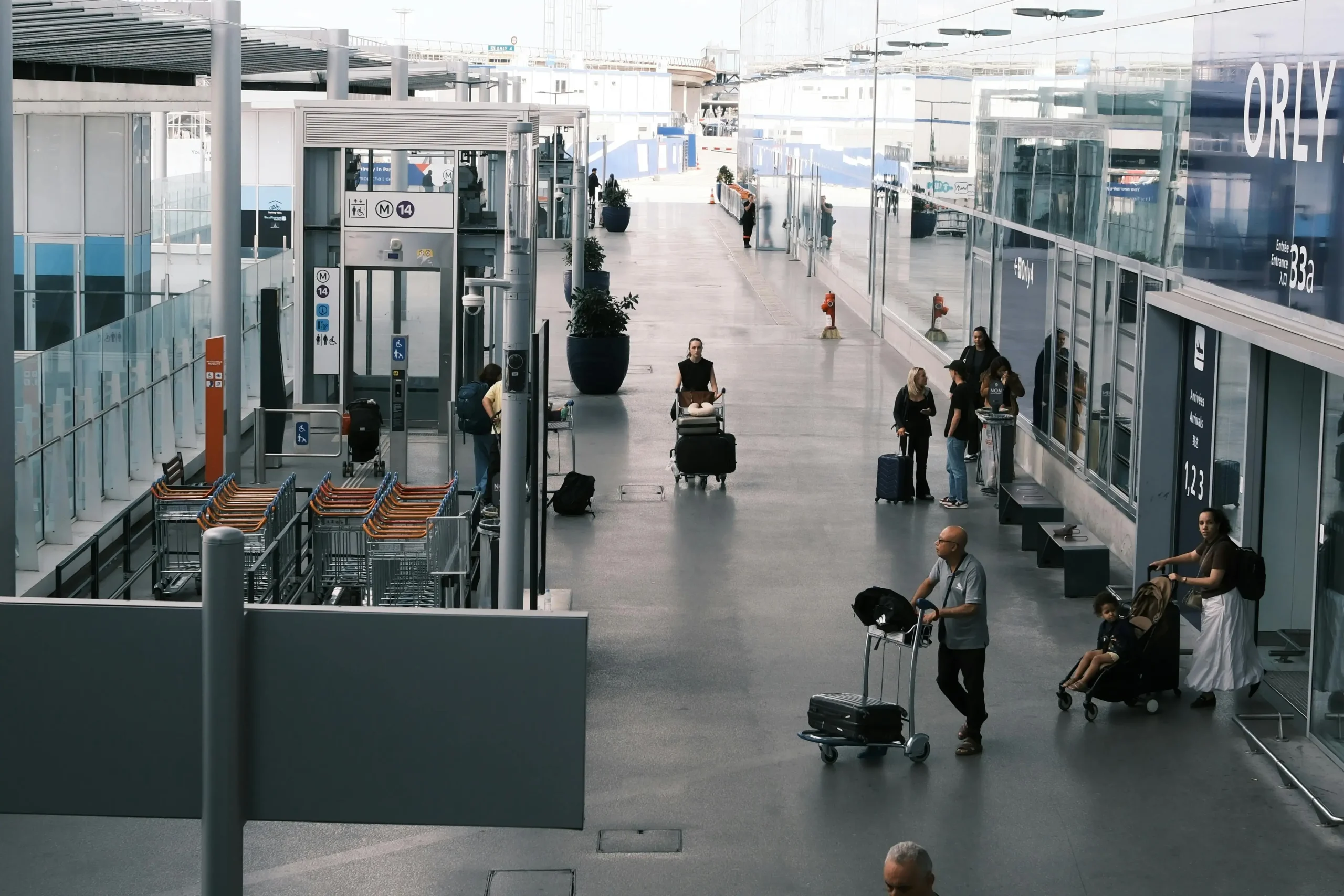
Airports, stations, hotel lobbies, and public transport areas can feel busy and unpredictable after arrival. A strong family habit is slowing down just enough to notice where bags, strollers, and children are positioned before making the next move.
The CDC highlights that motor vehicle injuries and water-related injuries are major safety concerns for child travelers, and its guidance on children’s travel repeatedly points parents toward active supervision and practical prevention. :contentReference[oaicite:5]{index=5}
That same mindset works well in public spaces too. Family travel often feels smoother when parents prioritize calm supervision over speed.
Frequently Asked Questions
Q: What are the most useful family arrival habits?
A: The most useful family arrival habits include checking child documents early, planning the first transport step, keeping snacks and health items easy to reach, and keeping the first day simple.
Q: Do some countries require extra paperwork for children?
A: Yes. Travel.State.gov says some countries require evidence of a legal relationship to the child, and some require a notarized consent letter from a non-traveling parent or proof of sole legal custody. :contentReference[oaicite:6]{index=6}
Q: Why do food and water habits matter so much with children?
A: The CDC says adults should ensure traveling children follow safe food and water precautions and frequently wash their hands to help prevent food-borne and waterborne illness. :contentReference[oaicite:7]{index=7}
Q: What road safety advice matters most for children after arrival?
A: The CDC says children should be properly restrained in a car seat, booster seat, or seat belt as appropriate, and notes that car seats often need to be brought from home because suitable seats may not be available abroad. :contentReference[oaicite:8]{index=8}
Key Takeaway
Strong family arrival habits help parents reduce stress by making the first hours of a trip simpler and more predictable. Child document checks, safe transport planning, food and hygiene preparation, and a lighter first day often make the whole journey feel easier. Family travel usually starts best when the arrival is calm, practical, and well prepared. :contentReference[oaicite:9]{index=9}
INTERNAL LINKING SUGGESTIONS
- 8 Family Trip Planning Habits That Help Travel Days Feel Less Stressful
- 8 Family Travel Checks Parents Should Make Before Leaving Home
- 8 Solo Arrival Habits That Help Travelers Feel More Confident in a New Place




Post Comment