8 Low-Cost Flight Habits That Help Travelers Avoid Paying More Than Expected

Good low-cost flight habits can help travelers save money before the trip even starts. Many people focus on the first fare they see, but official U.S. consumer guidance points to several important things to check before buying a ticket, including price comparison, ticket restrictions, optional services, baggage fees, 24-hour cancellation or hold rules, and international travel documents.
1: Compare the Full Cost, Not Only the First Fare
One of the most useful low-cost flight habits is looking at the full cost instead of reacting to the lowest price shown on the screen. The U.S. Department of Transportation says travelers should compare ticket prices while also reviewing optional services and baggage fees before making a purchase.
This matters because the airfare that looks cheapest at first may no longer be the cheapest once common extras are added. A better question is not simply “Which fare is lowest?” but “Which fare still makes sense after the likely costs are included?” That conclusion is an inference based on DOT guidance about comparing fares, fees, and optional services.
2: Read Baggage Rules Before You Pay
Baggage fees are one of the easiest ways for a low fare to turn into a frustrating one. DOT lists baggage fees as one of the key issues travelers should review before buying a ticket. It also says airlines and ticket agents must clearly tell consumers upfront what they charge for a first or second checked bag and for a carry-on bag.
That means baggage policy should be treated as part of the airfare, not something to think about later. Travelers who already know they will check a bag or need a larger carry-on can often save money by reviewing those rules early. This is an inference grounded in DOT’s fee-transparency guidance.

Credit: Sergei Starostin / Pexels
Credit: Borys Zaitsev / Pexels
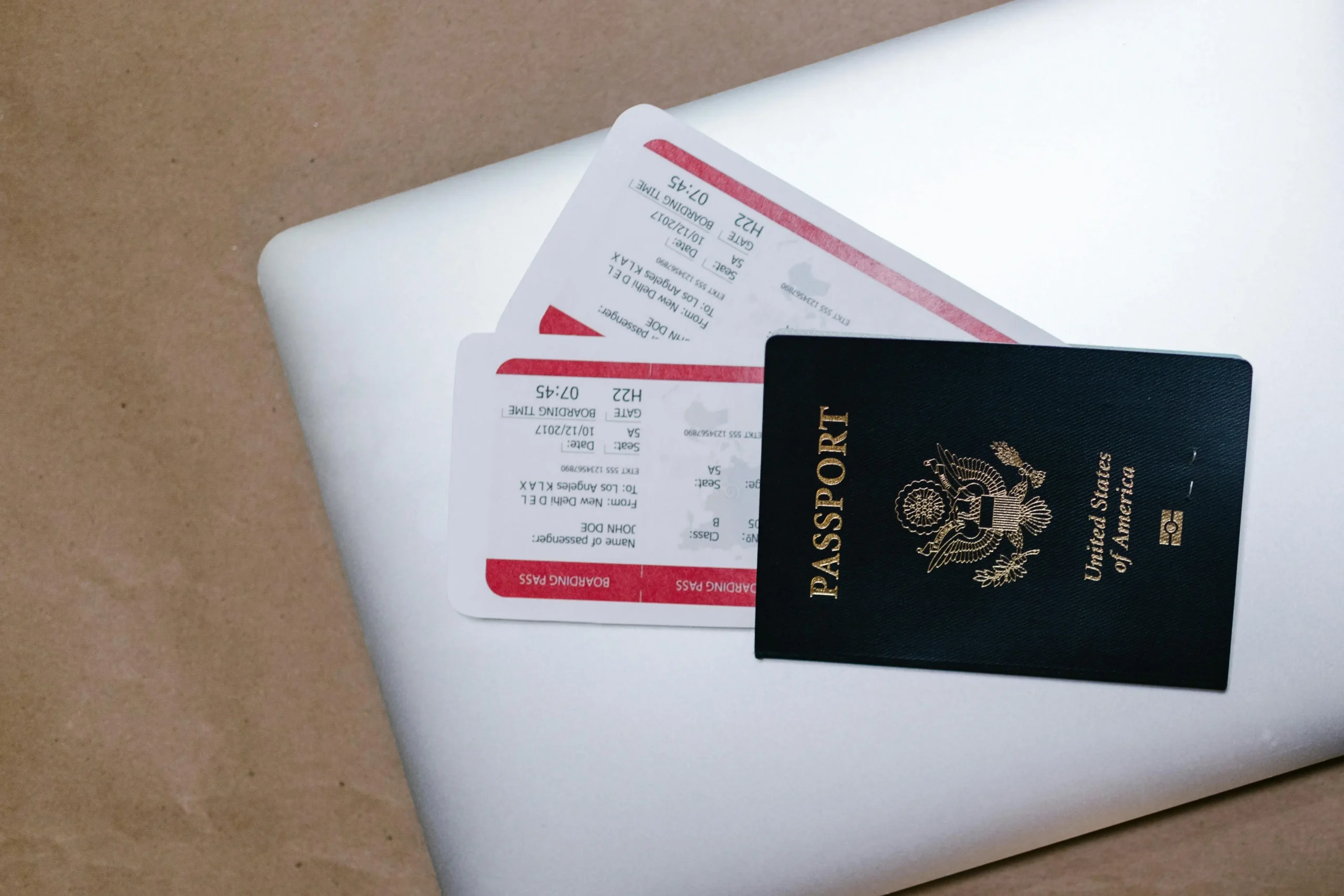
7. Check medication rules before international booking feels final
Travel.State.gov says travelers should verify prescription medication rules for travel with the foreign embassy of each country they plan to visit or pass through, because some countries restrict medicines that may be legal at home. It also says travelers should understand health insurance coverage abroad and consider medical evacuation coverage.
That makes medication review part of good budget planning too. A trip can become more expensive very quickly if a traveler needs to solve a medicine-related issue after booking. This is an inference based on the State Department’s medicine and health guidance.
8. Use one repeatable booking checklist every time
The strongest budget habits are usually the simplest. DOT’s ticket-buying page and Travel.State.gov’s checklist both organize the booking process around repeatable checks, including price comparison, restrictions, baggage fees, international documents, medications, and travel with children when relevant.
A short checklist often prevents the small oversights that make flights more expensive later. Travelers usually save more when the booking process is careful and repeatable instead of rushed. That conclusion is an inference based on the structure of the official guidance.
Frequently Asked Questions
Q: What are the most useful low-cost flight habits?
A: The most useful low-cost flight habits include comparing the full fare, reviewing baggage fees, checking ticket restrictions, understanding the 24-hour rule, and confirming international document needs before booking.
Q: Why is the cheapest airfare not always the best value?
A: DOT says travelers should review optional services, baggage fees, and ticket restrictions before purchase. A low fare can become more expensive once those details are added.
Q: What does the 24-hour airline rule mean for travelers?
A: DOT says airlines must either allow a full-refund cancellation within 24 hours or offer a 24-hour hold when the ticket is bought at least seven days before departure.
Q: Why should travelers check passport and visa rules before booking international flights?
A: Travel.State.gov says travelers should review passport validity and visa or electronic travel authorization requirements early, because some countries require at least six months of passport validity after travel dates.
Key Takeaway
Strong low-cost flight habits help travelers avoid paying more than expected by turning airfare shopping into a more careful process. Official guidance supports checking fares, restrictions, baggage fees, 24-hour rules, passport validity, and visa requirements before paying. A flight often stays affordable only when the details are reviewed early.













Post Comment