8 Fare-Checking Habits That Help Budget Travelers Avoid Small Costs That Add Up

Good fare-checking habits can save money before a trip even begins. Many travelers focus on the first price they see, but smaller costs often shape the real value of a booking. A bag fee here, a seat charge there, or a stricter ticket rule can quietly change the total.
That is why budget travel often works best when travelers slow down before paying. A careful booking process usually saves more money than a rushed search for the cheapest headline fare.
1. Compare the full cost, not just the first number
One of the most useful fare-checking habits is looking at the whole cost instead of reacting to the lowest number on the screen. A ticket that looks cheaper at first may stop looking cheap once the likely extras are added.
This is especially important when two options seem very close. One may include more of what the traveler actually needs, while the other may only look better before checkout begins.
A stronger budget habit is asking one simple question: what will this booking really cost by the time the trip is ready to take?
2. Read bag rules before you decide the fare is a deal
Baggage costs are one of the easiest ways for a low fare to become a disappointing one. Travelers often compare the base ticket first and think about bags second, but that order can change the value of the flight quickly.
Even a short trip can become more expensive if the bag plan does not match the fare. A budget traveler usually does better when luggage rules are treated as part of the flight, not as a later surprise.

3. Treat ticket restrictions like part of the price
Some tickets look attractive because they start low, but they may carry stricter limits. A traveler may only notice those limits later, when changing dates, choosing seats, or needing more flexibility than expected.
That is why smarter budget booking often includes reading the rules as carefully as the fare. A slightly higher option may still be the better value if it avoids later costs or stress.
4. Decide which extras matter before checkout begins
Optional add-ons can quietly raise the cost of a trip. Seat selection, luggage choices, travel protection, and other extras may all make sense in the right situation, but they should be chosen on purpose.
A traveler often spends less when they decide in advance what they actually need instead of making small payment decisions one by one in a hurry.
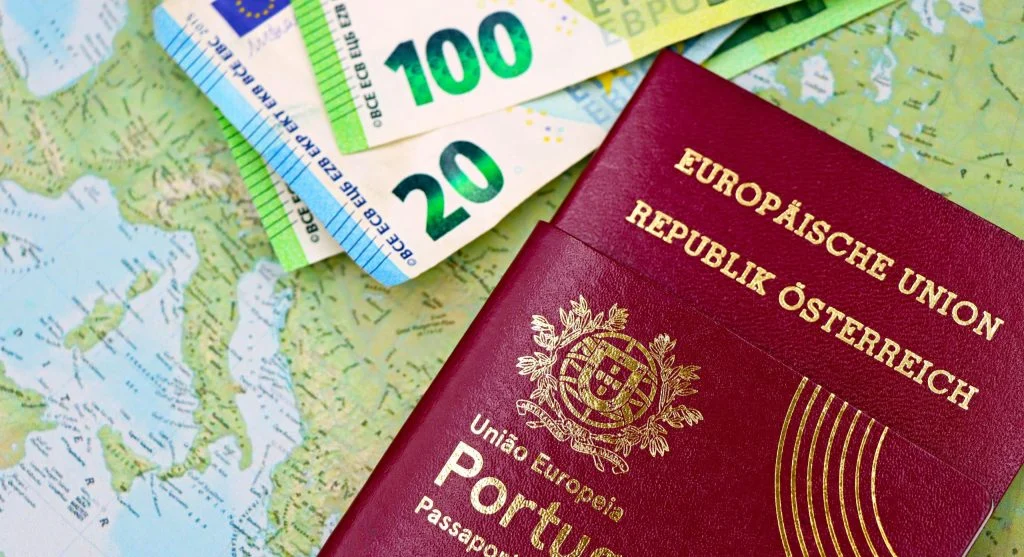
5. Check passport and entry basics before locking in international plans
Budget travel is not only about saving on fares. It is also about avoiding avoidable mistakes. A flight can become expensive very quickly if a traveler books first and reviews passport or entry needs later.
International trips usually feel easier when those basics are checked early enough to act on them. One missed detail can lead to change fees, new bookings, or a trip that becomes harder to manage than expected.
6. Review medicine planning before calling the trip “done”
Some travelers think health planning belongs after the booking, but it can affect the cost and simplicity of the trip too. A traveler may need extra time to prepare medication, copies of prescriptions, or destination-specific health details.
That makes medicine planning part of smart booking, not just part of packing.
7. Use one short booking checklist every time
One of the strongest fare-checking habits is using the same short checklist for every trip. This can include the total cost, bag rules, ticket limits, payment method, entry basics, and whether the timing still makes sense for the trip.
A checklist often saves money because it catches the small details that rushed travelers overlook. Those details are often where extra costs begin.
8. Leave room to catch small mistakes early
Booking errors can happen even when a traveler is careful. Dates, names, or route details may be entered too quickly, especially when prices feel urgent.
A useful habit is checking every major detail once more before final payment, and then reviewing the confirmation again soon after booking. Catching a mistake early is usually much easier than fixing it later.
Frequently Asked Questions
Q: What are the most useful fare-checking habits?
A: The most useful fare-checking habits include comparing the full cost, checking bag rules, reviewing ticket limits, and using a short checklist before paying.
Q: Why is the cheapest fare not always the best value?
A: A low starting price can still become expensive once baggage costs, extra services, or stricter ticket rules are added. Better value usually comes from the option that fits the traveler’s real needs.
Q: Why should travelers check passport and entry basics before booking international trips?
A: Missing those details can lead to change fees, delays, or new bookings later. A simple early check often makes the trip much easier to manage.
Q: What should a budget booking checklist include?
A: A useful checklist can include total cost, baggage rules, ticket restrictions, entry basics, health planning, and whether the timing still works for the trip.
Key Takeaway
Strong fare-checking habits help budget travelers avoid small costs that add up by turning booking into a more careful process. Full-cost comparison, bag-rule checks, ticket review, and a simple checklist often prevent the little mistakes that make trips more expensive. Budget travel usually works best when the traveler slows down before paying.












Post Comment