8 Solo Dining Habits That Help Independent Travelers Feel More Comfortable Eating Out
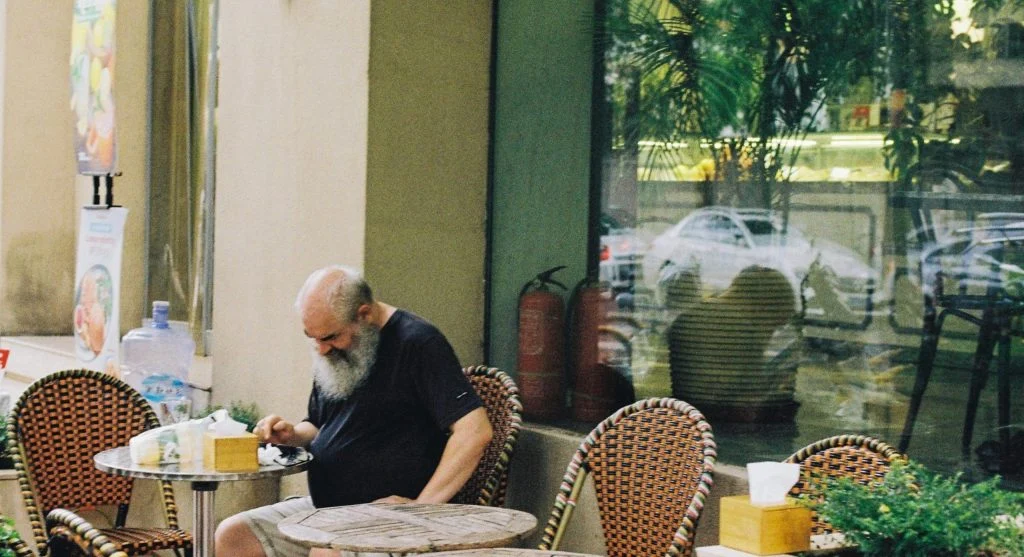
Good solo dining habits can make independent travel feel much more comfortable. Many solo travelers enjoy exploring alone but still feel uneasy when it is time to sit down for a meal. Eating alone in a new place can feel more noticeable than walking alone, even when nobody is paying much attention.
That is why simple routines matter. A few steady habits can make solo meals feel less awkward, easier to manage, and more enjoyable during the trip.
1. Pick the first solo meal somewhere simple
One of the most useful solo dining habits is making the first meal easy. A casual café, bakery, food hall, or quiet lunch spot often feels less stressful than starting with a formal dinner room.
This helps because confidence usually builds through smaller steps. A simple first meal often makes later solo dining feel much more natural.
The goal is not to impress anyone. The goal is to get comfortable eating alone in the destination.
2. Use off-peak hours when you want a calmer experience
Timing can shape how a solo meal feels. Eating slightly before or after the busiest rush often gives a traveler more space, less noise, and a slower pace.
This can be especially helpful on the first day, when everything still feels unfamiliar. A calmer room often makes it easier to settle in and enjoy the meal instead of feeling watched.
Many solo travelers find that a quieter setting makes them feel more in control.
3. Choose a seat that helps you feel at ease
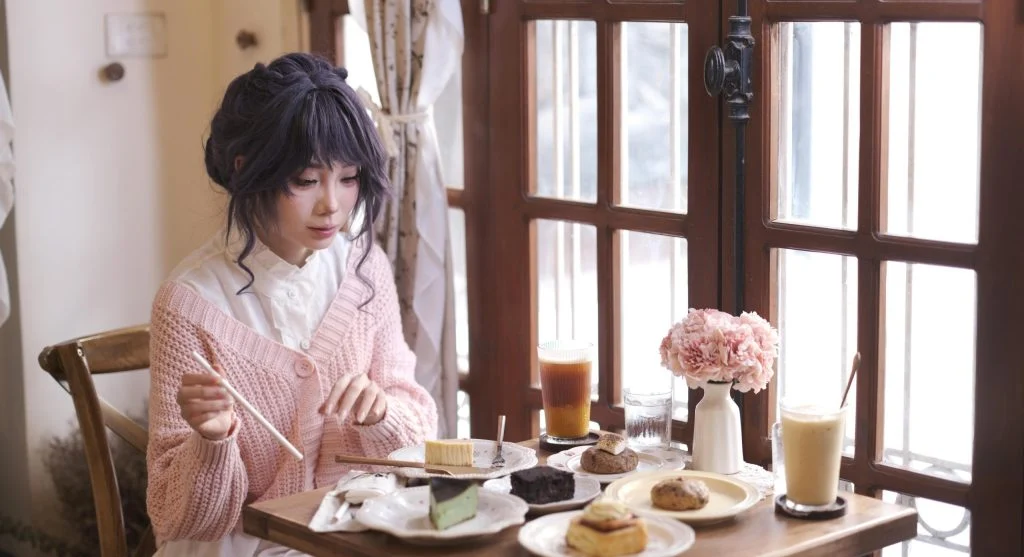
Seat choice matters more than many travelers expect. Some people feel more comfortable near a window, some prefer a wall-side table, and others like a counter seat where dining alone feels especially normal.
A good seat can lower self-consciousness quickly. It gives the traveler a better sense of comfort and makes the whole meal feel more natural.
This is a small choice, but it can change the mood of the experience.
4. Keep one small activity with you, but do not hide behind it
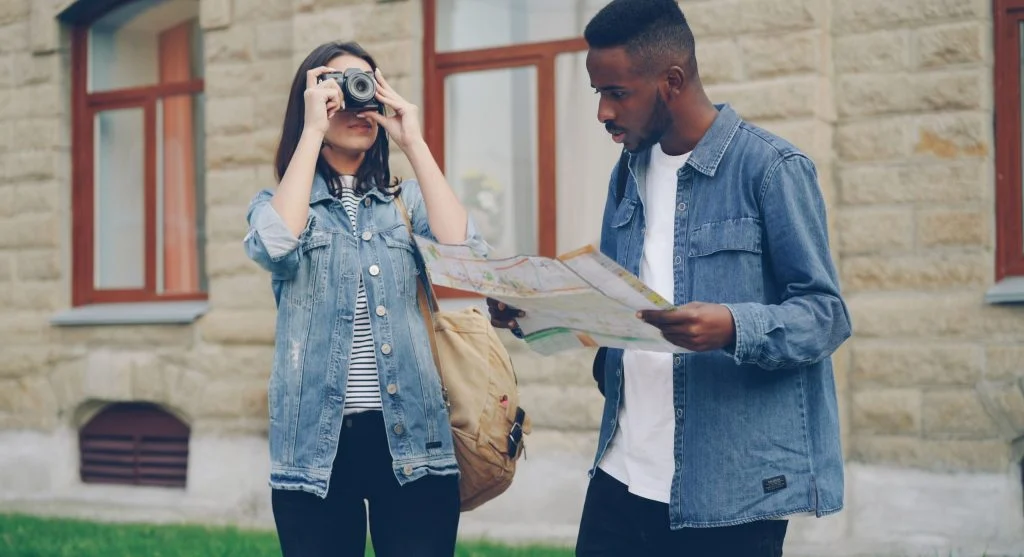
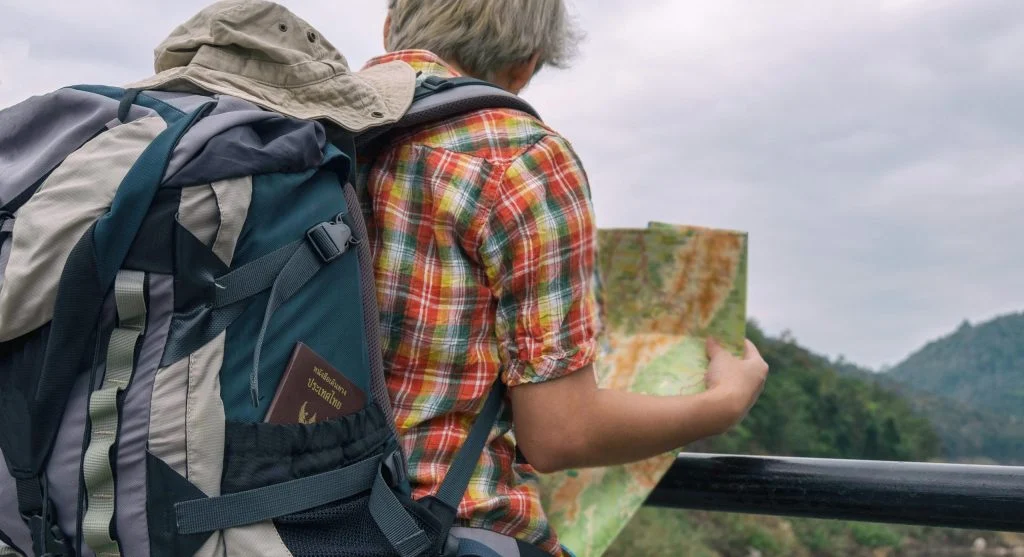
A phone, notebook, book, or city map can make solo meals feel easier. It gives the traveler something gentle to look at while waiting or while taking a break during the meal.
At the same time, it helps not to treat that item like a shield. Solo dining often feels best when the traveler stays present enough to enjoy the place, the meal, and the moment.
A small activity should support comfort, not block the whole experience.
5. Order in a way that reduces pressure
One strong solo dining habit is keeping the order simple when energy is low or the setting feels unfamiliar. A drink and one main dish may feel easier than trying to make many decisions at once.
This helps because solo travelers handle every choice themselves. Reducing small decisions can make the meal feel more relaxed.
On another day, a longer meal may feel enjoyable. The point is matching the meal to how the traveler feels in that moment.
6. Treat solo meals as part of the trip, not as a gap between activities
Many travelers think of eating alone as a break they need to get through quickly. A better mindset is treating the meal as part of the trip itself.
A quiet breakfast, a neighborhood lunch, or a simple dinner can become part of what makes the destination memorable. When solo dining is treated as part of the travel experience, it often feels less awkward and more meaningful.
That shift in mindset can make independent travel feel richer overall.
7. Have one backup food option for low-energy moments
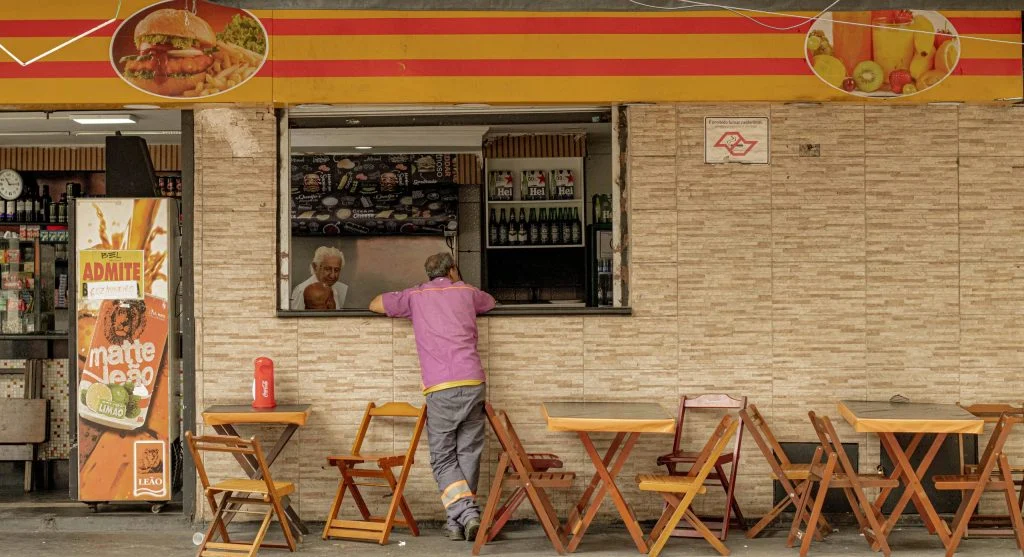
Not every travel day ends with the energy for a full restaurant meal. Some days are long, crowded, or tiring. A useful solo habit is knowing one easy backup option in case the main meal plan feels like too much.
This could be a simple café, takeaway meal, bakery, or familiar type of spot nearby. A backup option helps the traveler stay fed without turning the evening into another challenge.
Good travel routines often work because they leave room for lower-energy days too.
8. Do not confuse being alone with looking out of place
One of the most helpful solo travel habits is remembering that eating alone is normal. Travelers often notice themselves much more than other people do.
Most people are focused on their own meals, their own conversation, or their own plans. Once a traveler stops treating solo dining like a public performance, the whole experience often feels easier.
Comfort usually grows when the traveler lets the meal be ordinary.
Frequently Asked Questions
Q: What are the most useful solo dining habits while traveling?
A: The most useful solo dining habits include starting with a simple meal spot, choosing quieter times, picking a comfortable seat, keeping one small activity nearby, and having a backup food option for low-energy moments.
Q: How can solo travelers feel less awkward eating alone?
A: Many travelers feel better when they start small, choose calmer settings, and stop treating the meal like a performance. Comfort usually grows with repetition.
Q: Should solo travelers bring a book or phone to meals?
A: Yes, that can help. A small activity often makes waiting feel easier, but it usually works best when it supports the meal instead of completely replacing the experience.
Q: Is it better to avoid restaurants when traveling alone?
A: No. Solo meals can become one of the most enjoyable parts of independent travel when the traveler chooses places and timing that feel comfortable.
Key Takeaway
Strong solo dining habits help independent travelers feel more comfortable eating out by turning meals into a calmer and more normal part of the trip. Simple choices around timing, seating, backup options, and mindset often make a big difference. Solo travel usually feels easier when the traveler lets meals become part of the experience instead of something to get through.


Post Comment