Travel Etiquette Tips That Help Visitors Show Respect Abroad
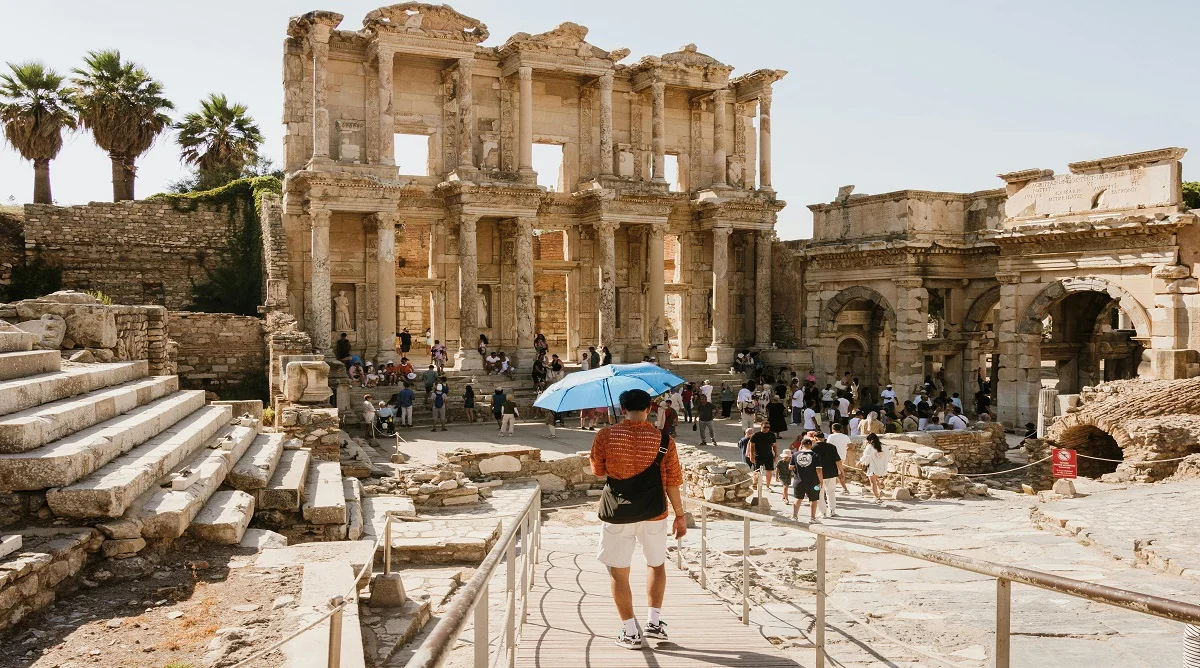
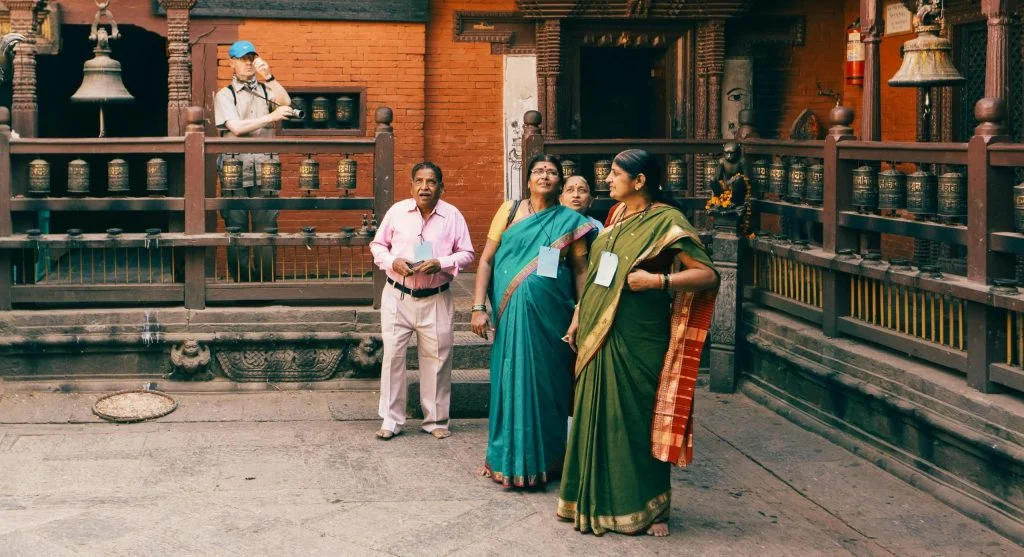
ravel etiquette tips for public behavior and shared spaces
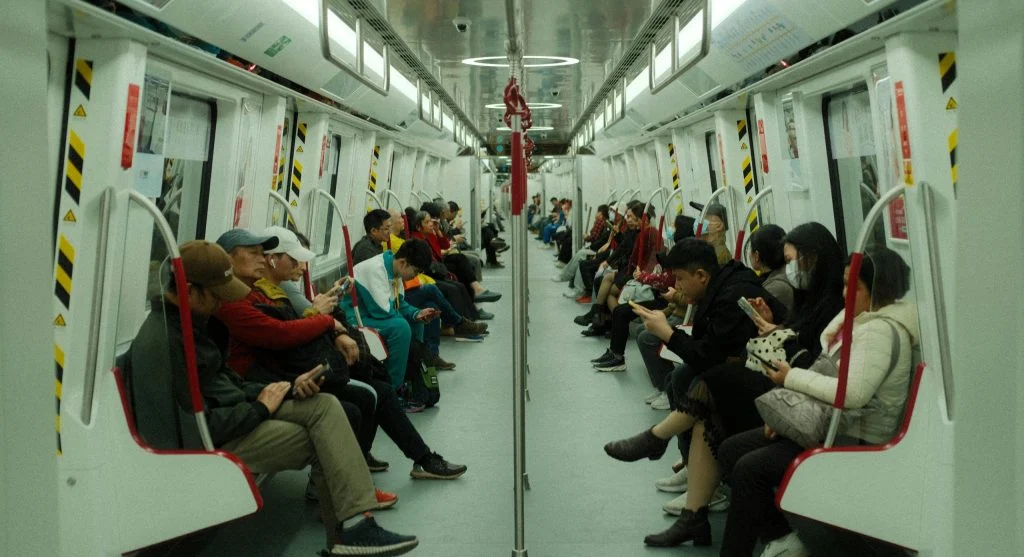
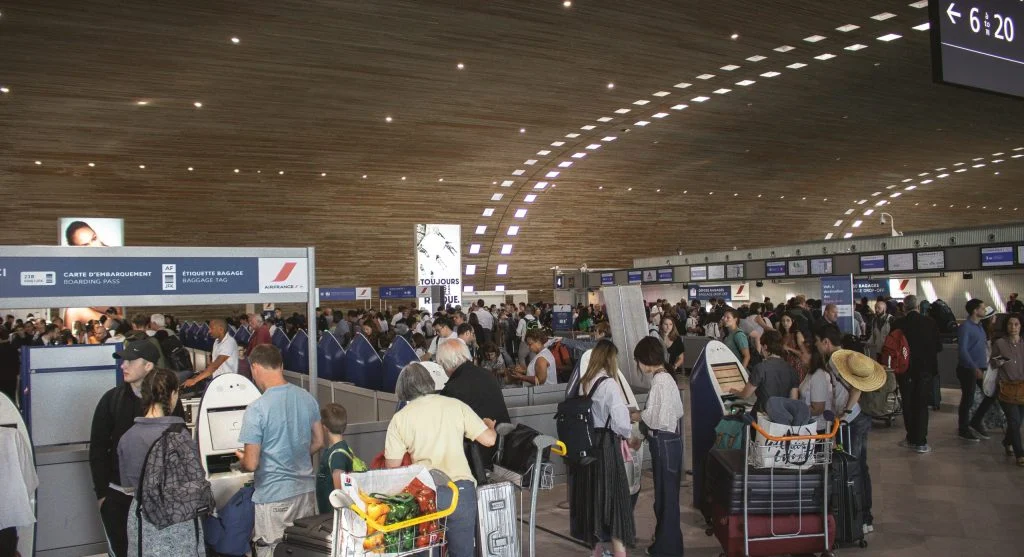
Shared spaces tend to highlight a traveler’s habits right away. Sidewalks, trains, buses, queues, hotel lobbies, and museums all follow their own flow. In many places, standing in the way, speaking too loudly, or using a phone without awareness can frustrate others.
Travel etiquette specialists often suggest being mindful of space and noise. Keeping bags close, letting people pass, and lowering your voice when needed helps you blend in more naturally. These small habits often communicate respect more clearly than words.
Cleanliness is just as important. Leaving trash behind, touching protected displays, or treating public areas carelessly can shape how visitors are viewed as a whole.
Why photography manners belong in travel etiquette tips
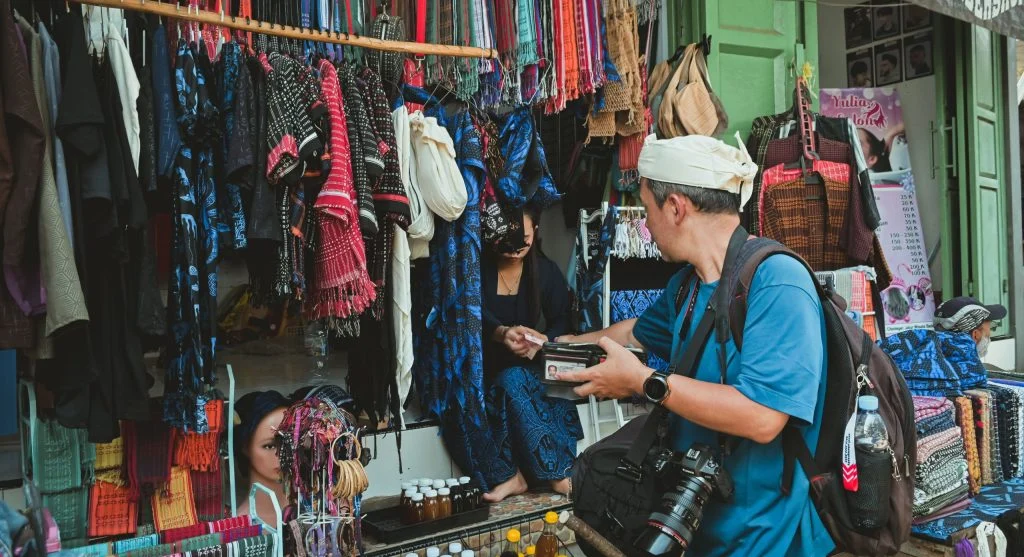
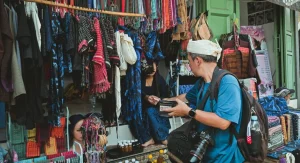
Photography is a big part of travel, but it can also cause tension when done without consideration. Not every location allows photos, and not everyone wants to appear in them. It helps to check signs and read the environment before taking pictures.
Cultural site managers and respectful travel advocates often encourage thinking beyond the shot itself. Blocking pathways to retake photos, using flash where it’s discouraged, or treating meaningful places like casual backdrops can come across as disrespectful.
Travelers tend to make better choices when they pause and consider whether a moment is private, sacred, crowded, or likely to affect others nearby.
How food, dining, and tipping habits vary by place
Dining etiquette can differ widely from one destination to another. Meal times, table manners, queuing, and service expectations don’t always match what travelers are used to. That’s why understanding local customs matters, even in everyday situations.
Travel experts often recommend observing how others order, wait, pay, and interact with staff. Tipping practices also vary depending on the country and type of service. You don’t need to know everything in advance, but checking local guidance before dining can help avoid awkward situations.
Respect at the table also includes awareness of timing and behavior. Staying too long at a busy table, speaking loudly, or treating staff poorly can leave a negative impression, even in places used to tourists.

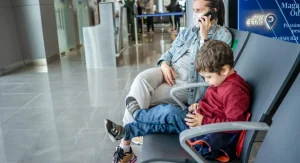
Credit: www.kaboompics.com / Pexels
Travel etiquette tips for language, patience, and attitude
Travelers don’t need to speak the local language fluently to show respect. A calm tone, simple wording, and a patient approach often matter more than getting every word right. Communication experts frequently point out that politeness carries further than perfect pronunciation.
Learning a few basic phrases can still make a difference. Simple greetings, thank-yous, and everyday expressions show effort and consideration. At the same time, it’s important not to show frustration when local systems, service styles, or communication habits work differently from what you’re used to.
In many cases, attitude shapes the experience more than any small mistake. Travelers who remain patient and observant tend to handle unfamiliar situations more smoothly.
Common travel etiquette mistakes visitors should avoid
One common mistake is assuming that tourist areas don’t follow local norms. Even popular destinations are home to residents and workers with daily routines that deserve respect. Another is treating local culture as something to observe or consume, rather than something people live every day.
Travel behavior researchers often note that disrespect isn’t always obvious. It can show up as impatience, entitlement, or the idea that paying for a trip excuses ignoring local customs. Visitors usually have a better experience when they approach a place with curiosity instead of control.
A simple guideline often works best: behave with the same level of care and consideration you would expect from guests in any shared space.
Frequently Asked Questions
Q: What are the most important travel etiquette tips for first-time travelers?
A: Observing local customs, using respectful public behavior, and staying patient in unfamiliar situations are among the most important travel etiquette tips.
Q: Why do local customs matter during travel?
A: Local customs help shape daily life, social expectations, and shared spaces. Understanding them can make travel smoother and more respectful.
Q: Is it rude to take photos everywhere while traveling?
A: It can be, depending on the place and situation. Travelers should watch for signs, respect privacy, and avoid disturbing meaningful or crowded spaces.
Q: Do travelers need to speak the local language to be respectful?
A: No. A polite attitude, simple effort, and patience often matter more than fluent speech.
Key Takeaway
Helpful travel etiquette tips focus on awareness, patience, and respect for local customs. Visitors usually have better experiences when they pay attention to shared spaces, photography manners, dining behavior, and everyday routines. Respectful travel does not require perfection, but it does require care and willingness to learn.
INTERNAL LINKING SUGGESTIONS
- What First-Time Visitors Should Know About Tokyo Before They Go
- Solo Travel Tips That Help New Travelers Feel More Confident
- Travel Safety Tips That Help Travelers Avoid Common Risks







Post Comment