8 Travel Health Habits That Help International Trips Feel Safer Before Departure
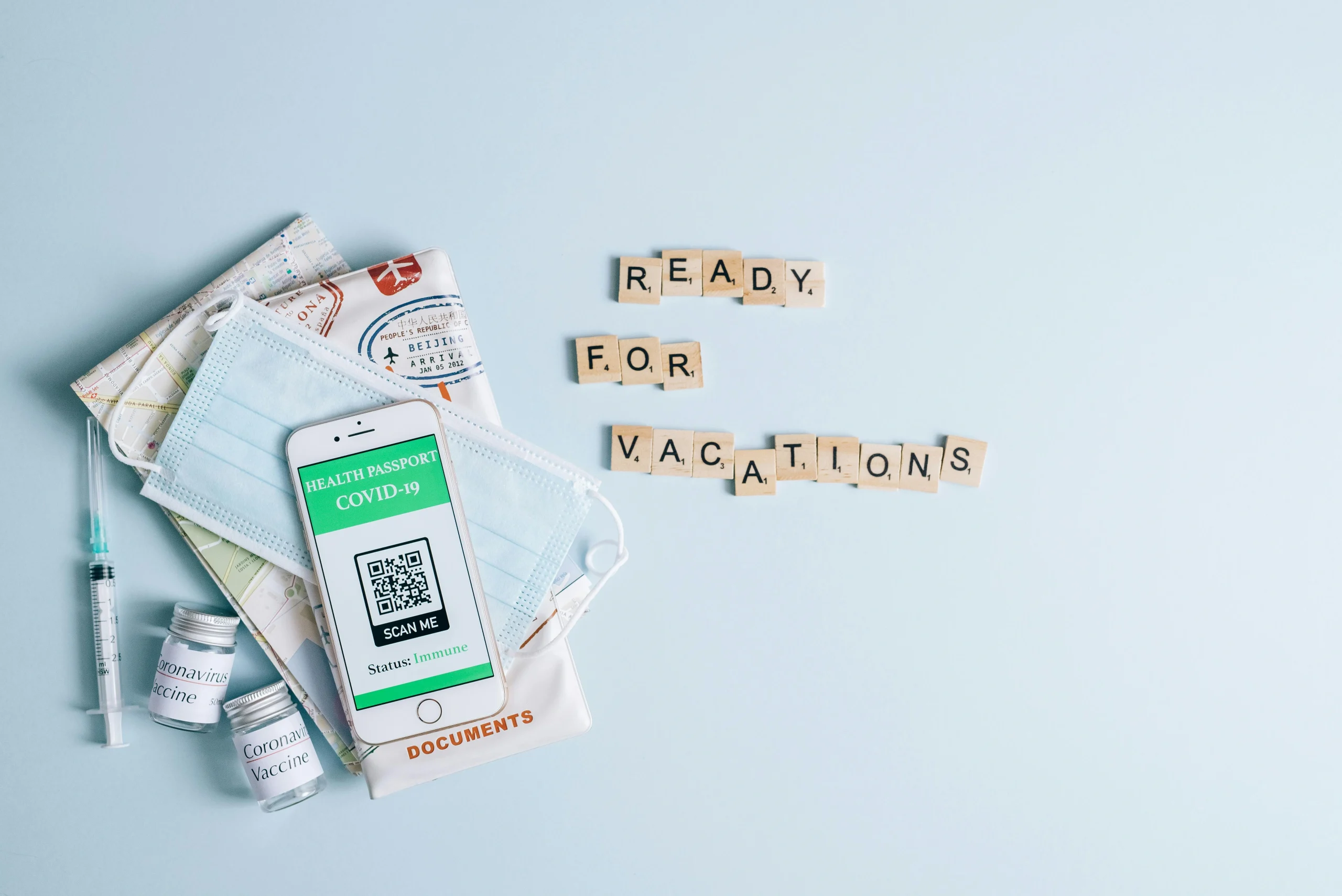
Strong travel health habits can make international trips feel much safer before airport day even begins. Many travel problems do not start with a dramatic emergency. They often start with missed medicine planning, weak food and water preparation, or health needs that were never reviewed before departure. CDC says the pre-travel consultation is the best opportunity to educate travelers about destination health risks and how to reduce them.
1. Start with a real pre-travel health review
One of the most useful travel health habits is reviewing health needs before the trip instead of hoping to handle them later. CDC says the pre-travel consultation should consider the traveler’s health background, itinerary, trip duration, purpose of travel, and planned activities, because all of these affect travel risk.
This matters because health planning is not the same for every trip. A short city visit and a longer outdoor trip may require very different preparation. That practical takeaway follows directly from CDC’s guidance that itinerary and activities shape risk.
2. Build a travel health kit that matches the trip
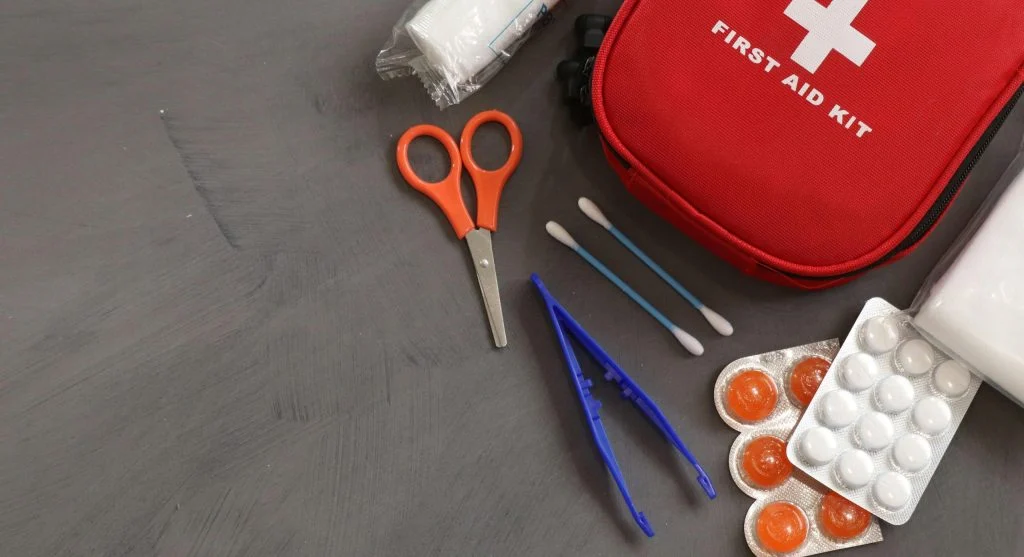
A travel health kit does not need to be large to be useful. It only needs to match the destination, the trip length, and the traveler’s personal needs. CDC’s Yellow Book includes travel health kits as a core part of preparing international travelers and places them alongside food and water precautions, last-minute travel planning, and the pre-travel consultation.
That makes a health kit part of normal travel preparation, not an extreme precaution. Travelers usually feel more organized when they prepare common essentials before leaving home.
3. Treat medicine as a priority item, not a late packing detail
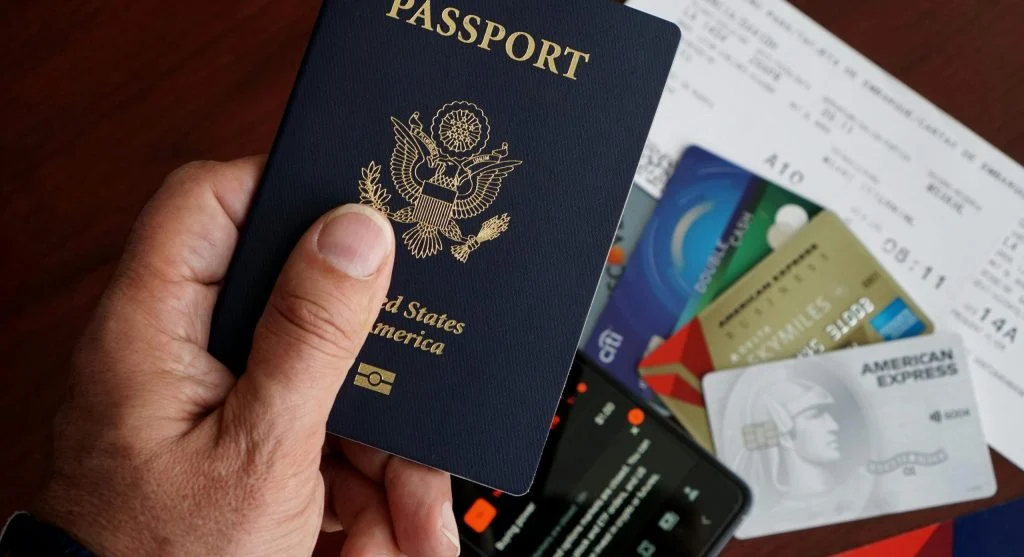
Medication planning is one of the most practical international travel habits because even a short delay can become difficult when needed medicine is missing. Travel.State.gov says travelers should bring enough medicine for the whole trip plus a few extra days in case of delays, keep medicines in original packaging, and carry copies of prescriptions or a doctor’s letter when needed.
This is especially useful because replacing medicine abroad may be harder than travelers expect. A careful routine at home often prevents a much bigger problem later.
4. Check food and water risks before you travel
Food and water planning belongs near the top of any travel safety checklist. CDC says contaminated food and water pose an infectious disease risk to travelers because many pathogens and toxins can be transmitted this way. This matters because food and water issues often affect ordinary travelers, not only people on unusual trips. A little preparation before departure usually works better than trying to guess safe choices after arrival.
5. Match your health planning to the destination, not just to yourself
Some travelers prepare the same way for every trip, but the CDC’s guidance makes clear that travel health planning should reflect the destination and itinerary. The pre-travel consultation is meant to assess destination-specific risks and discuss how to reduce them.
That means a stronger routine often includes checking what the destination changes about the trip, including food, water, climate, outdoor conditions, and access to familiar supplies. This is an inference grounded in CDC’s destination- and itinerary-based consultation guidance.
6. Do not assume it is too late to prepare
Some travelers think health planning only matters when a trip is weeks away. CDC says it is never too late for a pre-travel consultation, and even travelers leaving in days or hours can still benefit from travel-health guidance. This is one of the most useful travel health habits because it reduces the tendency to give up on preparation once the departure date feels close. Even a short review can still improve the trip.
7. Add food and water habits to your routine, not just medicine
Travel health preparation often focuses on medicine, but the CDC places food and water precautions alongside other core preparation topics for international travelers.
A better routine is planning for both. Travelers often think more clearly about health risks when they remember that prevention includes what they eat and drink, not only what they pack.
8. Use the same short health checklist for every international trip
The strongest preparation habits are often the simplest. A short checklist can cover consultation needs, medicine, health kit items, food and water planning, and any destination-specific concerns. CDC’s preparing-international-travelers section is built around that kind of repeatable structure, with core topics including the pre-travel consultation, food and water precautions, travel health kits, and last-minute travelers.
That kind of repeatable system often makes travel feel more manageable because important health steps do not need to be reinvented from scratch every time.
Frequently Asked Questions
Q: What are the most useful travel health habits before an international trip?
A: The most useful travel health habits include having a real pre-travel health review, preparing a travel health kit, organizing medicine carefully, and checking food and water risks before departure. CDC’s Yellow Book treats all of these as core parts of preparing international travelers.
Q: Why does a pre-travel consultation matter?
A: CDC says the pre-travel consultation is the best opportunity to educate travelers about destination health risks and how to mitigate them.
Q: Do food and water precautions really matter for ordinary travelers?
A: Yes. CDC says contaminated food and water pose an infectious disease risk to travelers because many pathogens and toxins can be transmitted this way.
Q: Is it still useful to prepare when a trip is close?
A: Yes. CDC says it is never too late for a pre-travel consultation, even for travelers leaving on short notice.
Key Takeaway
Strong travel health habits help international trips feel safer by turning health preparation into a simple routine before departure. CDC’s guidance supports destination-based health review, medicine planning, travel health kits, and food and water precautions as core parts of better travel preparation. A smoother trip often starts with small health checks done early. :contentReference[oaicite:15]{index=15}












Post Comment